
Five stories this week orbit one fact: global matcha demand is now large enough to reshape where processing happens, what products survive, and what consumers pay. Kagoshima's two new processing plants (Yomiuri Shimbun Online, Minami-Nippon Shimbun), Meiji's discontinued ice cream line (OAB), and Nana's Green Tea's menu-wide price increase (Minami-Nippon Shimbun) are four separate responses to the same supply squeeze.
This week in numbers
Every figure exactly as the outlet printed it, credited to the outlet that reported it and compiled by Matcha Wire.- Annual matcha production capacity: 300t — reported by Yomiuri Shimbun Online on 9 October 2026. # ↓ the story
- JA matcha facility annual production: 年約300トン — reported by Minami-Nippon Shimbun on 18 October 2026. # ↓ the story
- Green tea exports 2024: 364億円 — reported by OAB大分朝日放送 on 14 October 2026. # ↓ the story
- Matcha latte (M) price increase: ¥620 → ¥710 — reported by Minami-Nippon Shimbun on 14 October 2026. # ↓ the story
The fifth story is different in kind. Japan Heritage's recognition of Kyoto's Yamashiro region, carried via Google News, is a reminder of where matcha, sencha and gyokuro actually came from, as the industry scrambles to keep pace with demand it never built capacity for.
01 Kagoshima opens prefecture's largest matcha processing facility; 300 tonnes annual capacity, export-ready by November 2025

Annual matcha production capacity: 300t — reported by Yomiuri Shimbun Online on 9 October 2026.
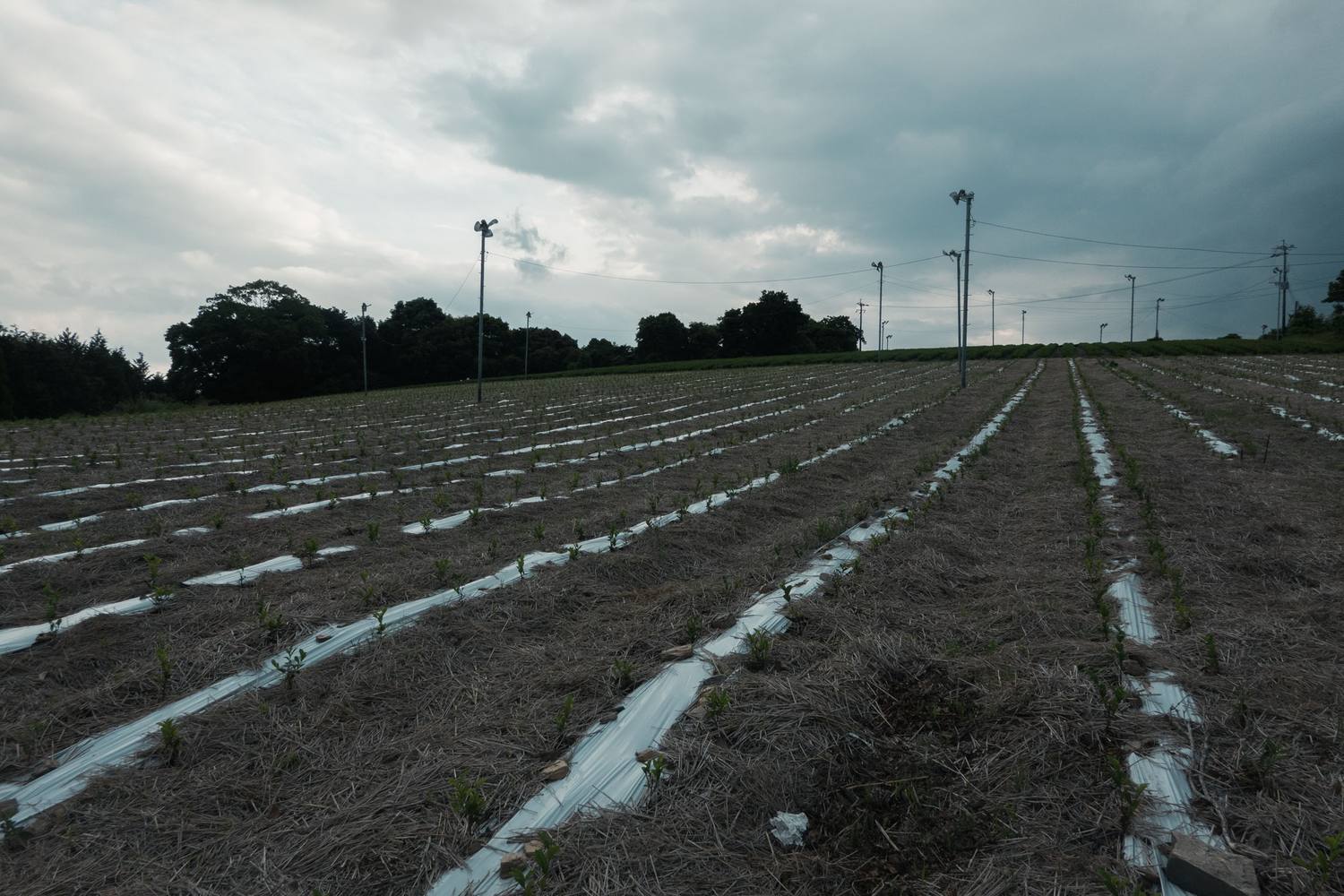
Yomiuri Shimbun Online reports that JA Kagoshima held a groundbreaking ceremony for what will become the prefecture's largest matcha processing plant, a 2,500-square-meter facility in Kagoshima City. The build carries a price tag of roughly 2.6 billion yen, partly offset by national subsidies, and is scheduled to open in November 2025 with capacity to turn out 300 tonnes of matcha a year. The project targets a structural problem: most of the tencha grown in Kagoshima currently leaves the prefecture for processing elsewhere, so local farmers capture only a fraction of the value added downstream. JA Kagoshima intends to ship finished matcha directly to overseas buyers rather than raw leaf. As the cooperative put it, the prefecture has been 'known as a raw-material origin' and wants to 'take this through to finished-product stage and export matcha overseas.'
02 Kagoshima Expands Matcha Processing Capacity to Build Brand and Capture Value in Global Boom
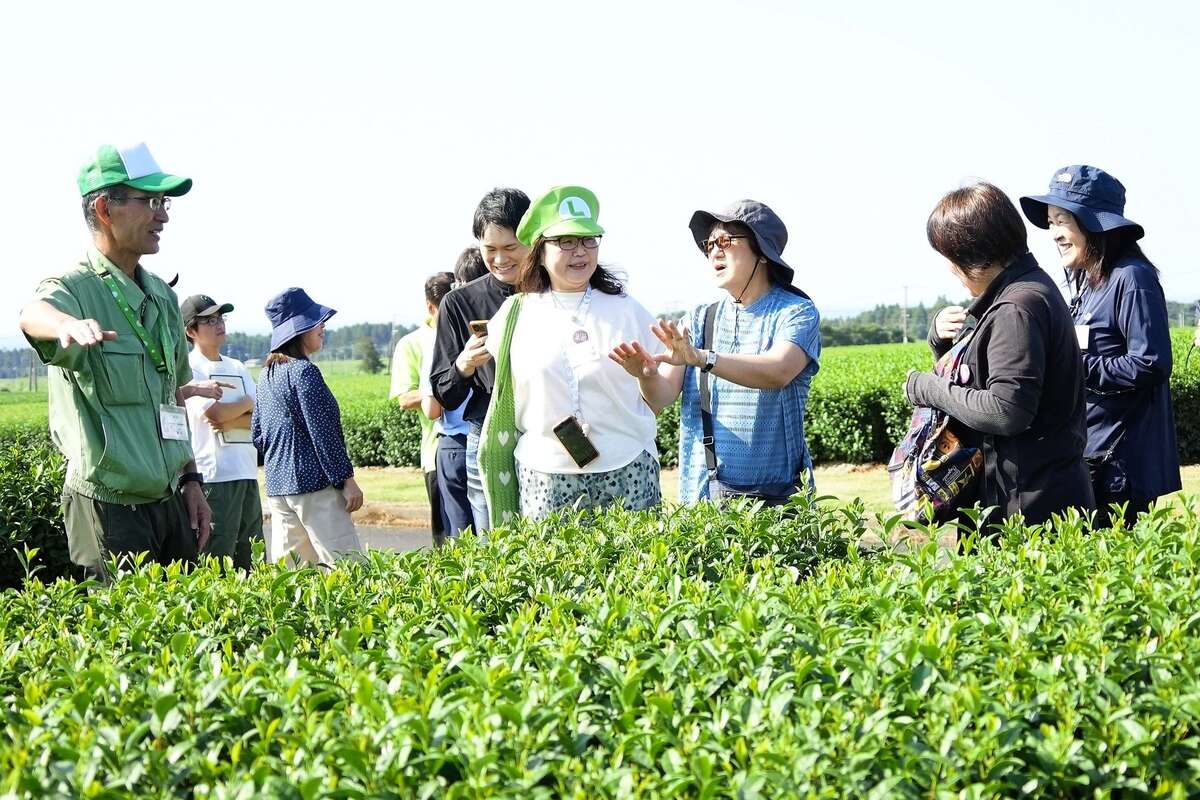
Kagoshima is adding a second matcha plant, Oohashi Seicha's 100-tonne factory, pushing prefecture capacity toward 400 tonnes a year — reported by Minami-Nippon Shimbun on 18 October 2026.
Minami-Nippon Shimbun reports that Kagoshima's push into matcha processing now has two legs: JA Kagoshima's 300-tonne plant and a 100-tonne factory from Oohashi Seicha due in March 2028, together lifting prefecture capacity toward 400 tonnes a year. Despite ranking first nationally in raw tea production and holding half the national share of late-season harvests, Kagoshima's 2024 finished-tea shipments totaled 129.5 billion yen, less than a tenth of Shizuoka's figure, with roughly 30 percent of raw tea still exported unprocessed. Brand recognition sits near 40 percent nationally. The paper quotes industry voices arguing that distance from domestic consumption centers is a disadvantage at home but irrelevant abroad, making it 'wasteful to let profits flow outside the prefecture,' and that stronger branding would raise 'the added value of locally produced tea.'
03 Matcha ice cream discontinued as global demand strains domestic supply
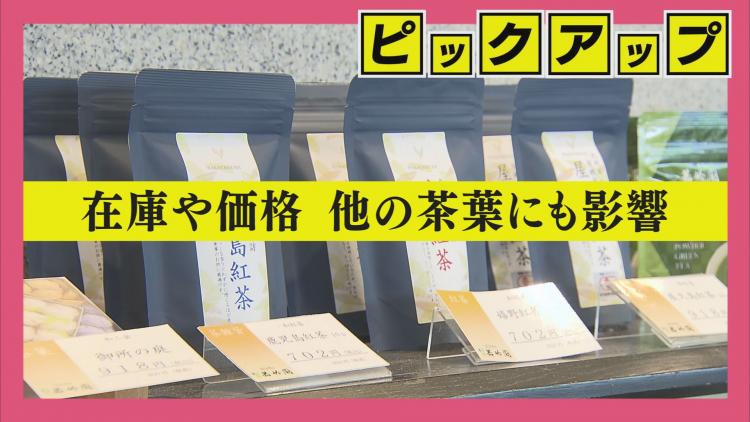
Meiji discontinued its matcha ice cream as national green tea exports hit a record 721 billion yen in 2025 (2024) — reported by OAB大分朝日放送 on 14 October 2026.
OAB (Oita Asahi Broadcasting) reports that Meiji halted production of its Essel Super Cup matcha ice cream in February, citing a global demand surge that has made raw material supply unreliable. The strain is visible further down the chain: Oita's Wakatakezoen tea shop says monthly shipments are down more than half under new supplier caps, while national green tea exports hit a record 721 billion yen in 2025, double 2024's 364 billion yen. Farmers are reportedly shifting fields from sencha to matcha-leaf cultivation, tightening sencha supply and pushing up prices across categories; Oita retailers report direct-sourced products up 10 to 30 percent since autumn 2024, with further rises expected after the spring 2025 harvest. One shop owner described demand 'surging' as far afield as 'Brazil, South Africa, and the Middle East.'
04 Matcha café chain raises prices amid global demand surge; matcha latte up ¥90
Nana's Green Tea raised its matcha latte price from 620 to 710 yen citing a global raw-material shortage — reported by Minami-Nippon Shimbun on 14 October 2026.
Minami-Nippon Shimbun reports that matcha café chain Nana's Green Tea has raised prices across its menu, blaming a sharp rise in raw matcha costs tied to worldwide demand. A medium matcha latte goes from 620 to 710 yen and matcha green tea from 620 to 690 yen, while desserts and parfaits climb 30 to 140 yen. Its canned matcha latte jumps from 2,400 to 2,900 yen and will now be sold only at select locations, as the company says sourcing premium blended matcha has become 'extremely difficult.' The chain frames the increases as necessary to protect quality rather than cut corners, noting that 'global growth in matcha demand has caused a sharp rise in the price of matcha, our primary raw material.'
05 Japan Heritage: An 800-Year Walk Through Japanese Tea History
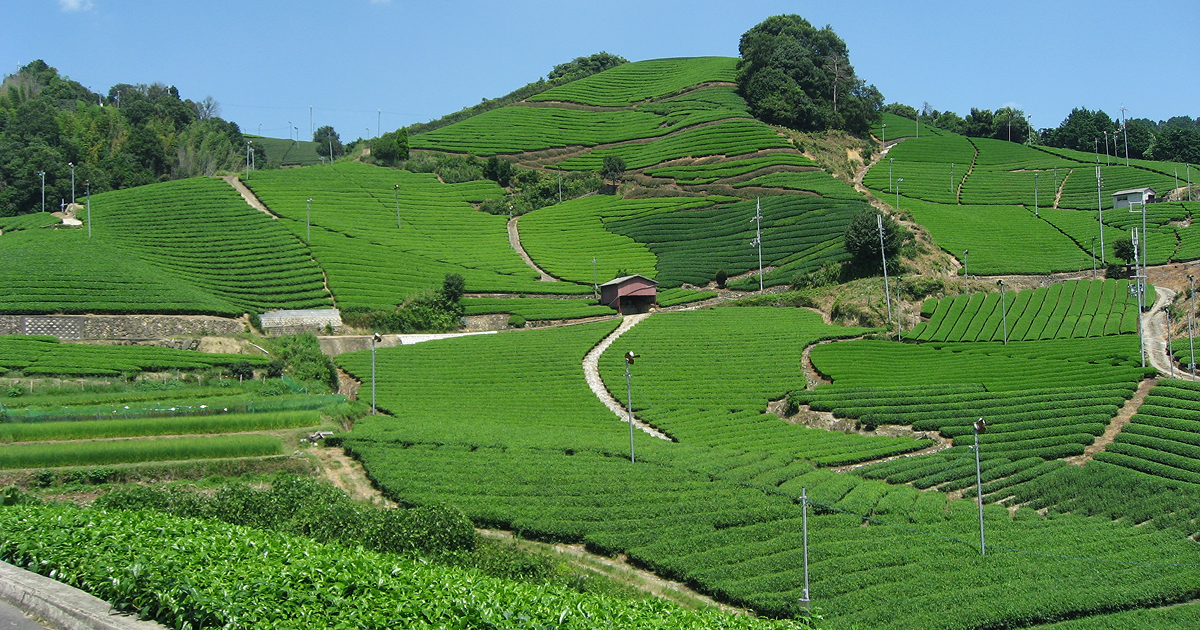
Kyoto's Yamashiro region, birthplace of matcha, sencha and gyokuro, gained Japan Heritage recognition for its 800-year tea history — reported by jimin.jp on 13 October 2026.
Coverage aggregated via Google News (Matcha/Tea Industry) highlights Japan Heritage recognition for the Yamashiro region of southern Kyoto Prefecture, a cluster of twelve municipalities including Uji, Wazuka, and Kizugawa. The designation credits the area as the origin point for all three pillars of premium Japanese green tea: matcha, sencha, and gyokuro, developed over a continuous span of roughly 800 years. The report calls Yamashiro the 'birthplace of Japanese tea' and notes it 'has led our nation's tea culture for approximately 800 years.' Amid a week dominated by capacity expansions and price pressure driven by global demand, the heritage listing is a reminder that the plants, techniques, and expertise now being scaled up and exported trace back to this single corner of Kyoto.
Taken together, the week shows an industry investing heavily to catch up with its own export success, while consumers from Oita to Kagoshima already feel the price of that catch-up.
 From the Ooika shop
Ooika Matcha Storage Jar
$10.00
Shop now →
How this edition was made
Every weekday morning Matcha Wire scans about 40 Japanese sources — national and regional newspapers, government ministries, prefectural tea associations and trade journals — and scores each story for its relevance to the tea industry. This edition covers the five highest-ranked stories of the week just ended, one of them the week's most-read story on Matcha Wire. Figures are quoted as the outlet printed them: nothing is converted between units, nothing is converted between currencies, nothing is rescaled, averaged or estimated, and no number appears on this page that the source credited beside it did not report. Where a date here reads "reported on", it is the date the outlet published, not the date we compiled it. Matcha Wire is the compiler of these figures and never the source of one.
Compiled automatically by Matcha Wire from tracked Japanese sources, with no human editor in the loop. Every figure is credited to the outlet that reported it and checked against that outlet's own article. Corrections: hello@ooika.co.
Using these figures. The figures on this page are facts reported by the outlets credited beside them, and they are free to reuse. If Matcha Wire's compilation saved you the work, a link back is appreciated. The written analysis is ours; please don't republish it wholesale.
Matcha Wire is published by Ooika, in Kyoto, Japan. You can reach a person at hello@ooika.co.
Comments
Create a free account or sign in to join the conversation.
Be the first to comment.