Matcha Wire Matcha Wire

The daily wire on Japan's tea industry

Japan's matcha market moves in Japanese. Now you don't have to.

Matcha Wire is a daily English-language trade briefing on Japan's tea industry. Every morning it reads 40 Japanese sources, from national newspapers and Ministry of Agriculture bulletins to prefectural tea associations and research journals, and publishes the stories that move the matcha market as English summaries. It is written for importers, café groups, brands and researchers outside Japan. $75 a month, with a free tier that opens one story in four.

The scan runs at 07:30 JST. By the time you open your laptop, the morning's tea news is in English, sorted by what matters, with the Japanese original one click away. No Japanese required.

Free tier, no card required. Cancel anytime.

40 Japanese sources Every morning, 07:30 JST Zero Japanese required Gov, press & research in one feed

If you sell, source, or study matcha, the news you need is written for someone else.

Price swings, harvest reports, export shifts, shortage warnings, new regulations. Japan's tea industry publishes it all daily, across dozens of newspapers, prefecture bodies and ministry sites. In Japanese. Buried. Behind paywalls. You find out weeks late, from a competitor, or not at all.

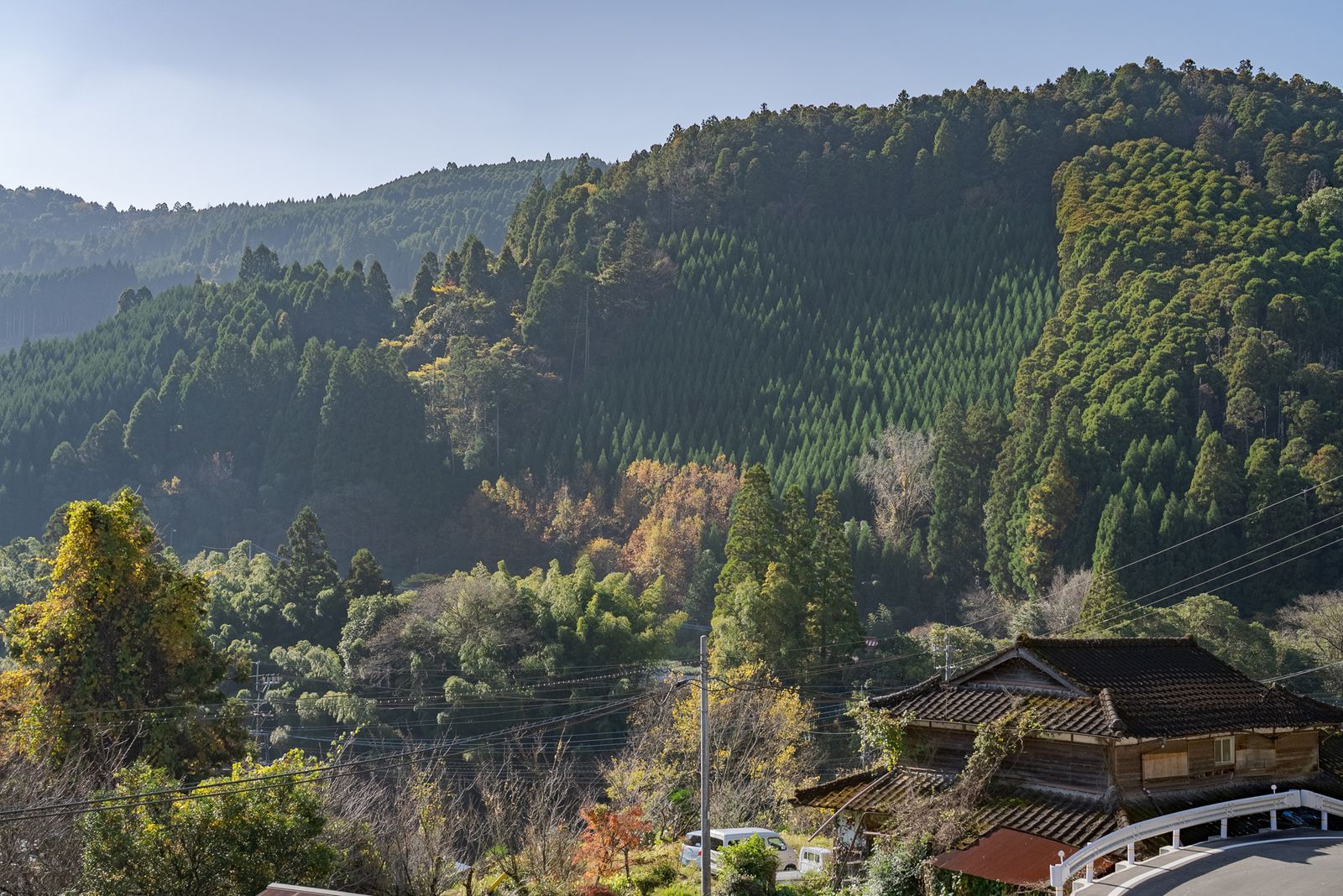
Golden-hour valley over a tea-growing village in Hoshino, Yame
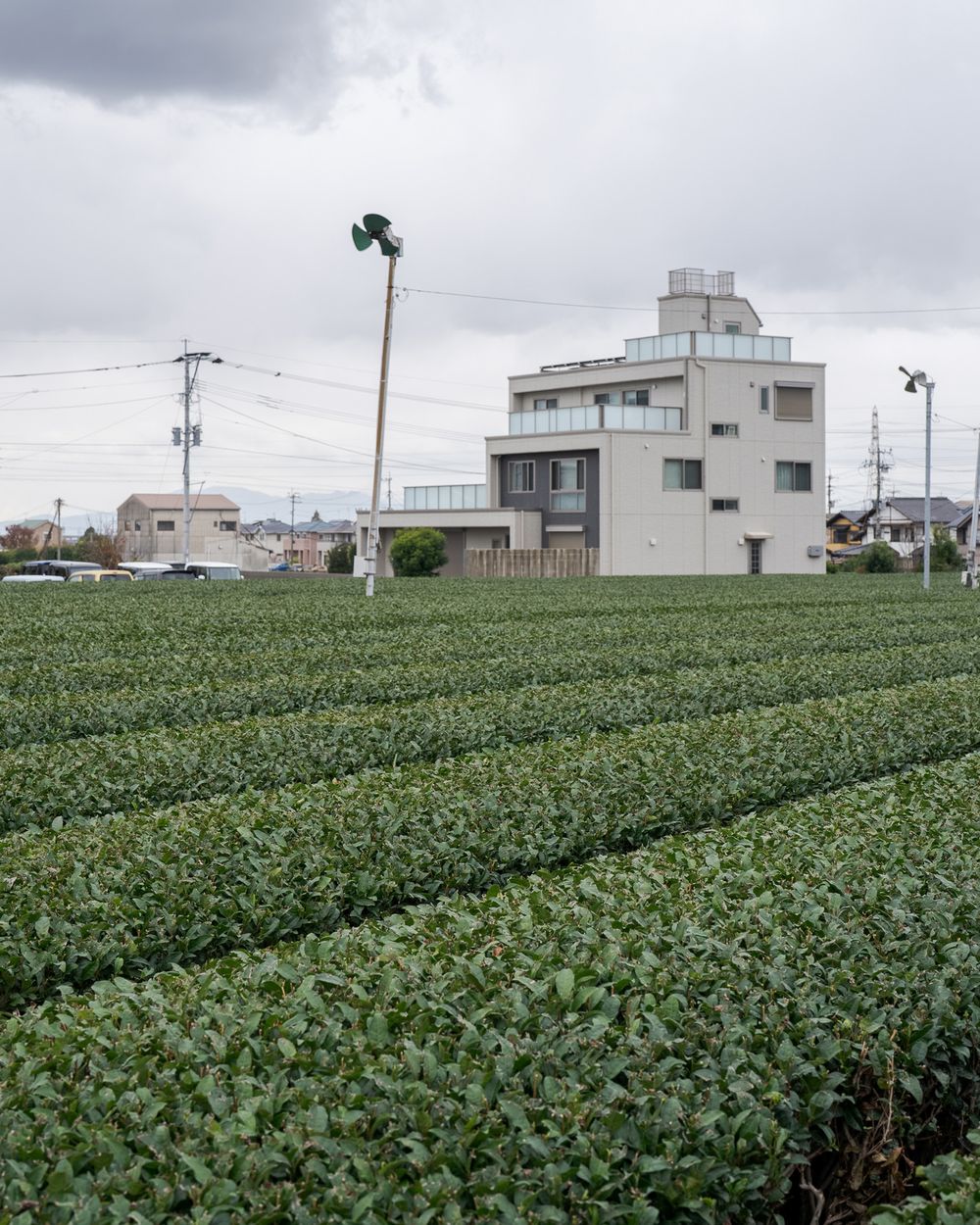
Rows of tea bushes at a farm in Yame, Fukuoka
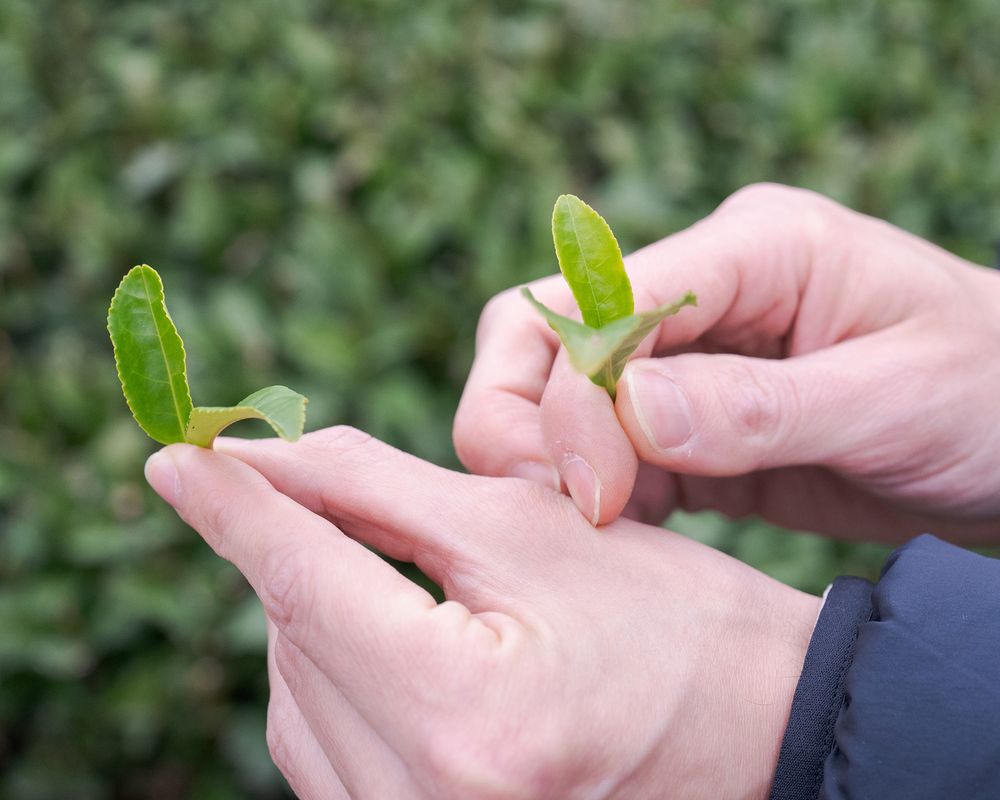
Fresh-picked tea leaves held in a grower's hands
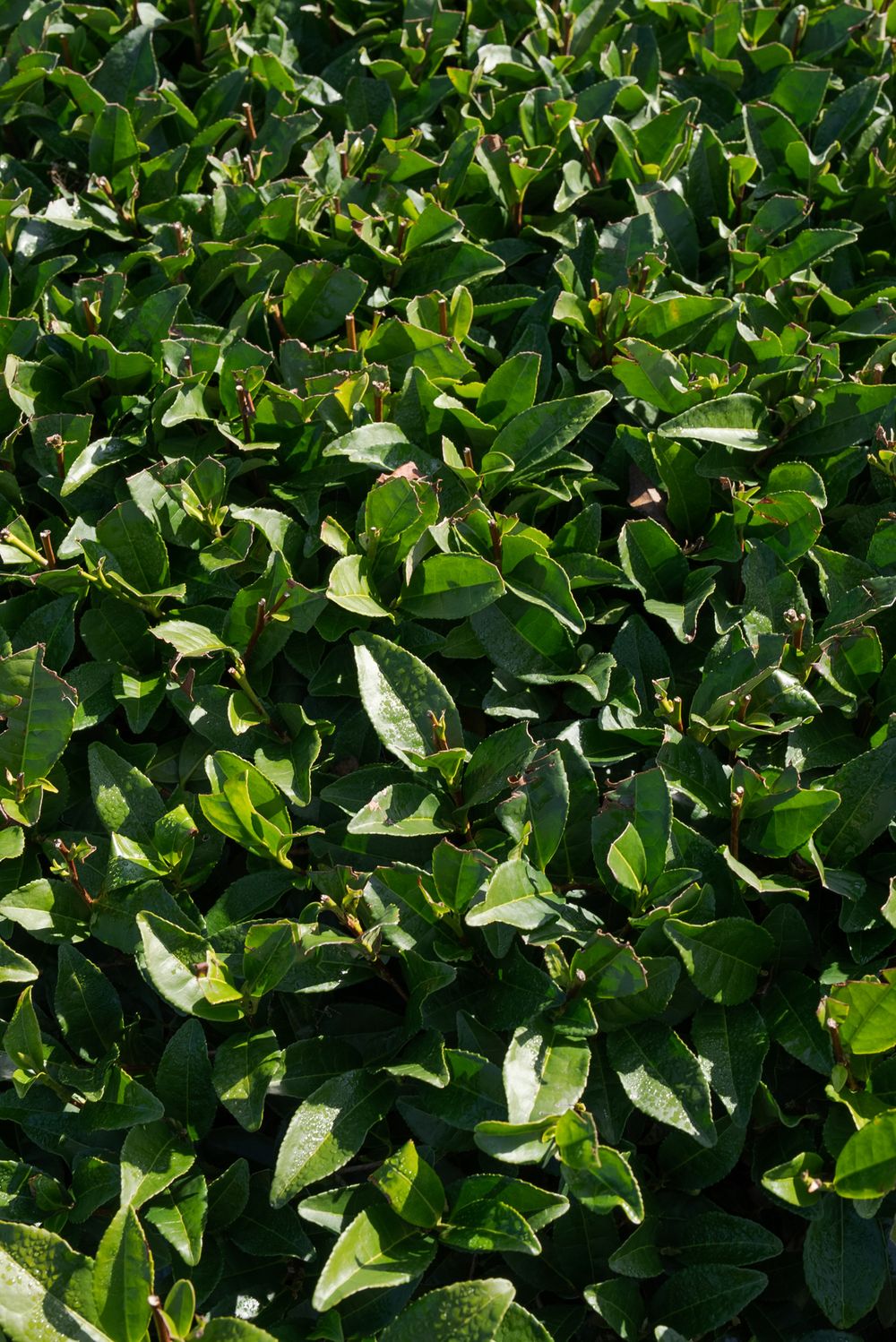
Close-up of a tea bush canopy

Hoshino, Yame, Uji, Shizuoka. We visit the farms and factories behind the news. Every photo on this page is ours, not stock.

How Matcha Wire works

1

We scan Japan, every morning

Asahi Shimbun, Shizuoka Shimbun, Minami-Nippon Shimbun, Kyoto Shimbun, AgriNews, MAFF, NARO, the Japan Tea Central Association, prefectural tea councils and the research journals on J-STAGE and CiNii. 40 sources, swept at 07:30 JST.

2

Claude reads it. The source gets the final say.

Every article is scored against a written editorial brief, duplicates are folded into one card, and you get an English summary with the numbers and the quotes. Then every quote and every figure in that summary is checked back against the original Japanese text, and anything the source does not support is dropped before it reaches you.

The Japanese headline and a link to the original sit on every card, so you can always check us.

3

You read the wire in minutes

Search it, filter by source or topic, and open the full original article in English in one click. The summary tells you whether it matters. The full text is there when it does.

Who is behind this

Matcha Wire is published by Ooika, a Japanese-tea company founded by Marc Falzon. Ooika works directly with growers in Japan and visits the farms and factories the wire reports on.

Matcha Wire started as the reading that job already required. The 40 sources are the ones we actually watch. The relevance brief the scoring runs against is a document we wrote and keep editing: it names the cultivars, the producing regions and the companies worth tracking, and it tells the system to push café drink launches and dessert roundups down.

What the software does: reads every article, scores it against that brief, clusters duplicates, and writes the English summary. What it is not allowed to do: print a quote or a number the source does not contain. Every one is checked back against the original Japanese and dropped if it fails.

What we do not claim: nobody hand-reads all 40 sources before the wire publishes each morning. That is why every card carries the Japanese headline, the publication, the date and a link to the original. Found something wrong? Email hello@ooika.co and it gets corrected.

What you get with a subscription

🔓

Every story, unlocked

Free readers see one card in four. Subscribers read the entire wire — every summary, every source, every day.

📈

Market intelligence, first

Prices, shortages, harvests and exports — the signals that decide what you pay and when you buy, surfaced the morning they break.

🌐

Read the whole article, in English

The summary is ours. When you want the full piece, one click opens the publisher's own page, machine-translated into English, in your browser. Nothing to install, no account to connect.

🗂️

One feed, every source

Government, industry, newspapers and research — normally scattered across dozens of sites — organized, deduplicated, searchable.

🚫

No ads, no noise

The free feed carries the occasional Ooika product card. Subscribers get none. No third-party advertising anywhere, on either tier.

🔬

Science, not just news

A dedicated research feed tracks Japanese studies on tea chemistry, cultivation and health — the depth behind the headlines.

Read a real issue before you pay

The Matcha Wire Weekly is free to everyone, every Monday. It is an original editorial round-up of the week's five most significant stories, written by us, linking to every source. No account, no card, no email address.

Read it and you will know within five minutes whether the daily wire is worth $75 a month to you. That is the point of publishing it.

Read this week's Weekly →

And this is the daily wire, right now

Google News — Harvest / Competitions / Market

Uji tencha wins National Tea Competition

The 80th National Tea Competition, judged August 25–28 in Saga Prefecture, awarded its top tencha honors to Uji City producers. Kyoto Prefecture took the top five places in the tencha category and the top four in kabusecha, with Uji City claiming the regional award for tencha and Ayabe City for kabusecha. A total of 814 entries from eight categories competed nationally; Kyoto submitted 140 entries across four categories.

PR TIMES — Japanese Tea

National tea appraisal competition draws 120 young experts

The 73rd National Tea Appraisal Skills Competition will be held September 5, 2026, at Shizuoka Tea Market, bringing together approximately 120 young tea professionals and successors (under 45) from 13 regions across Japan to compete in identifying tea variety, harvest season, and origin by appearance, aroma, and taste alone. The event marks the first time in a decade that Shizuoka tea youth group will host the competition and notably includes two special invited competitors f…

Real stories from the last seven days, free to read now. Browse the free feed →

Simple pricing

$75 a month is roughly $2.50 a day. One mispriced container, one harvest report you read three weeks late, one competitor who moved on a shortage before you did: any of those costs more than a year of this. If it does not, the free tier is genuinely free and you should stay on it.

Free
$0
  • One in four stories unlocked
  • English summaries & key points
  • Search & filters
  • Occasional product cards
Browse the free feed

Questions

Do I need to read Japanese?

No. Every card is summarized in English. When you want the whole story, one click opens the publisher's page machine-translated into English, in your browser.

How are the full translations legal?

Matcha Wire does not republish other outlets' articles and does not host their text or their translations.

What you read on Matcha Wire is our own editorial layer: an English summary written in our words, key points, short attributed quotations, tags, the publication name, the date, and a link to the original.

The “read the full article” button is a link. It opens the publisher's own page through Google Translate, which fetches and renders that page in your browser. The article is served by the publisher, to you, and it never passes through or sits on our servers. Traffic goes to the publisher, which is the point.

Which sources do you cover?

40 sources. Japanese national and regional newspapers including Asahi Shimbun, Shizuoka Shimbun, Kyoto Shimbun, Minami-Nippon Shimbun, Saga Shimbun and Chunichi Shimbun. AgriNews. MAFF and NARO bulletins. The Japan Tea Central Association, the Kyoto Prefecture Tea Cooperative and the Kagoshima Tea Industry Conference. Trade press, and peer-reviewed research from J-STAGE and CiNii.

Who checks the summaries are accurate?

The software writes them, and every quote and every figure is verified against the original Japanese article before publication. Anything the source does not support is dropped.

No person hand-reads all 40 sources each morning, and we will not pretend otherwise. That is why every card shows the Japanese headline, the publication and the date, and links to the original, so you can check any claim in seconds. Corrections go to hello@ooika.co and we fix them.

What do I actually get each day?

A feed of the day's tea-industry stories in English, scored so the important ones are at the top, with duplicate coverage from different outlets folded into a single card. A separate research feed for peer-reviewed Japanese tea science. A free weekly round-up every Monday, and a monthly By the Numbers edition. Search and filters across the whole archive.

Is this for consumers or the trade?

The trade. Matcha Wire is written for importers, café and restaurant groups, brands, buyers and researchers who need Japanese tea-industry information they cannot get in English. If you are looking for matcha to drink, that is Ooika.

Can I cancel?

Anytime, in one click. No contracts, no lock-in.

Stop finding out last.

Japan's tea industry publishes every morning, in Japanese. Read it the same morning, in English.

Subscribe · $75/mo

or read this week's Weekly free →