
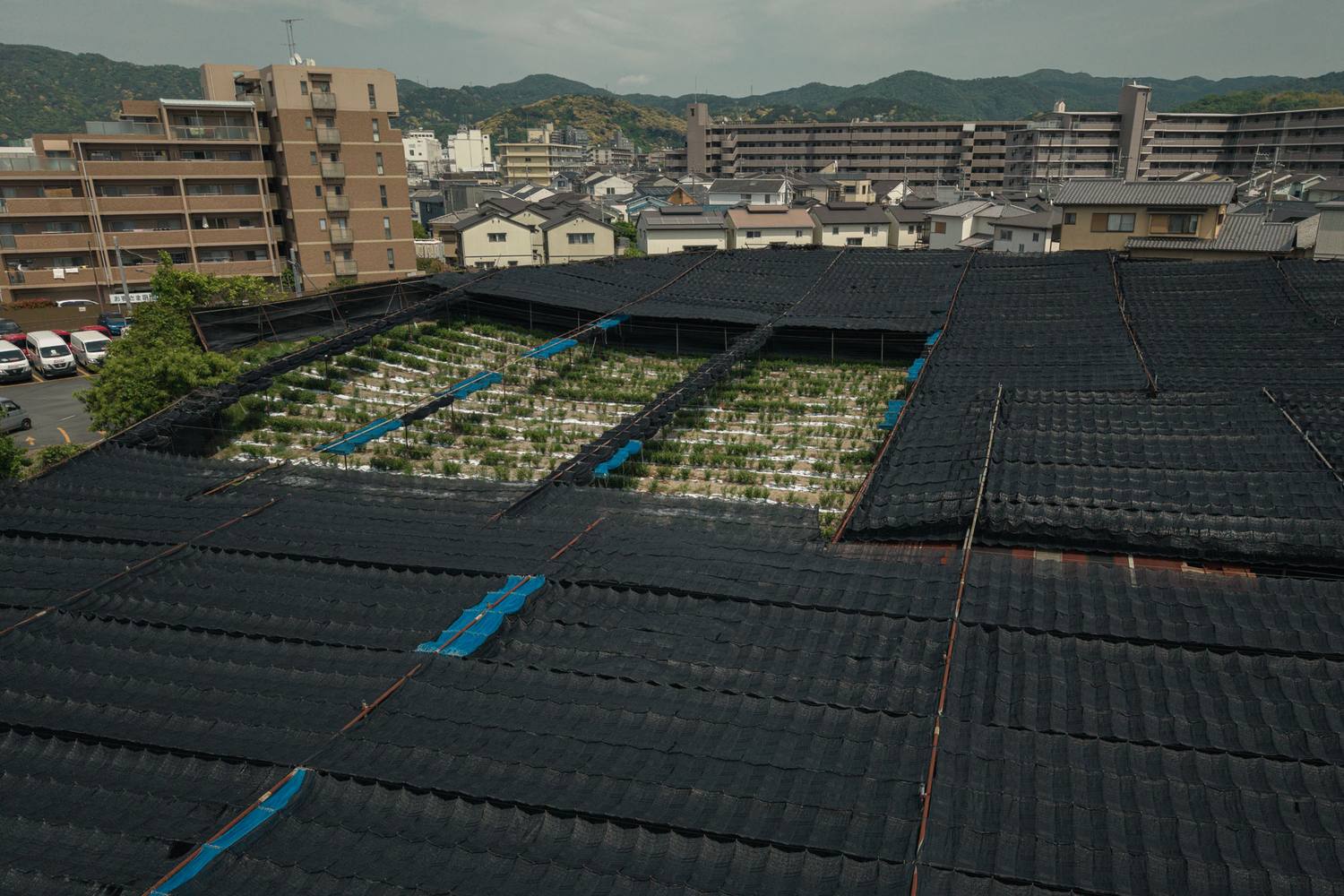
Every story in this edition traces back to one pressure point: overseas demand for matcha is outrunning Japan's supply of tencha, and the industry is answering from every direction at once. NARO is breeding a cultivar built for organic export production; Shizuoka growers are converting sencha fields to tencha; Saga's national auction produced a record gyokuro price; August's consumer price data showed the demand surge reaching household grocery bills; and a logistics firm is bankrolling a thirtyfold expansion of organic tea acreage.
This week in numbers
Every figure exactly as the outlet printed it, credited to the outlet that reported it and compiled by Matcha Wire.- Farmer's total tea field area: 約205アール — reported by Yomiuri Shimbun on 19 September 2026. # ↓ the story
- Gyokuro high-bid price: 1キロ当たり113万9009円 — reported by AgriNews (Japan Agri News) on 19 September 2026. # ↓ the story
- Green tea YoY price change, August 2025: 31.5% — reported by Yomiuri Shimbun on 18 September 2026. # ↓ the story
- Current organic tea acreage: 5 ha — reported by The Japan Food Journal on 17 September 2026. # ↓ the story
Read together, they describe a supply chain rebuilding itself in real time — new plant genetics, new planting decisions, new capital, and new prices, all pointing the same direction.
01 NARO Develops 'Rinmei,' a Mid-Season Tea Cultivar Combining Disease Resistance, High Yield, and High Quality — Contributing to the Expansion of Exports and Organic Cultivation
NARO — Fruit Tree & Tea Research reports a new mid-season cultivar called 'Rinmei,' bred to combine disease resistance with high yield and high quality. The institute frames the release as serving two goals at once: growing exports and expanding organic tea cultivation, since a hardier plant needs fewer chemical inputs to stay productive. NARO describes the work plainly, calling it '(Research result) Rinmei, a mid-season tea cultivar combining disease resistance, high yield, and high quality' and noting it is 'Contributing to the expansion of exports and organic cultivation.' No acreage or yield figures were given, but the timing lines up with growers elsewhere moving into organic and export-oriented production, suggesting the cultivar is meant to support exactly the kind of shift already under way in fields like Shizuoka's.
02 Shizuoka reclaims first-flush production lead after two years as matcha shift accelerates amid global demand
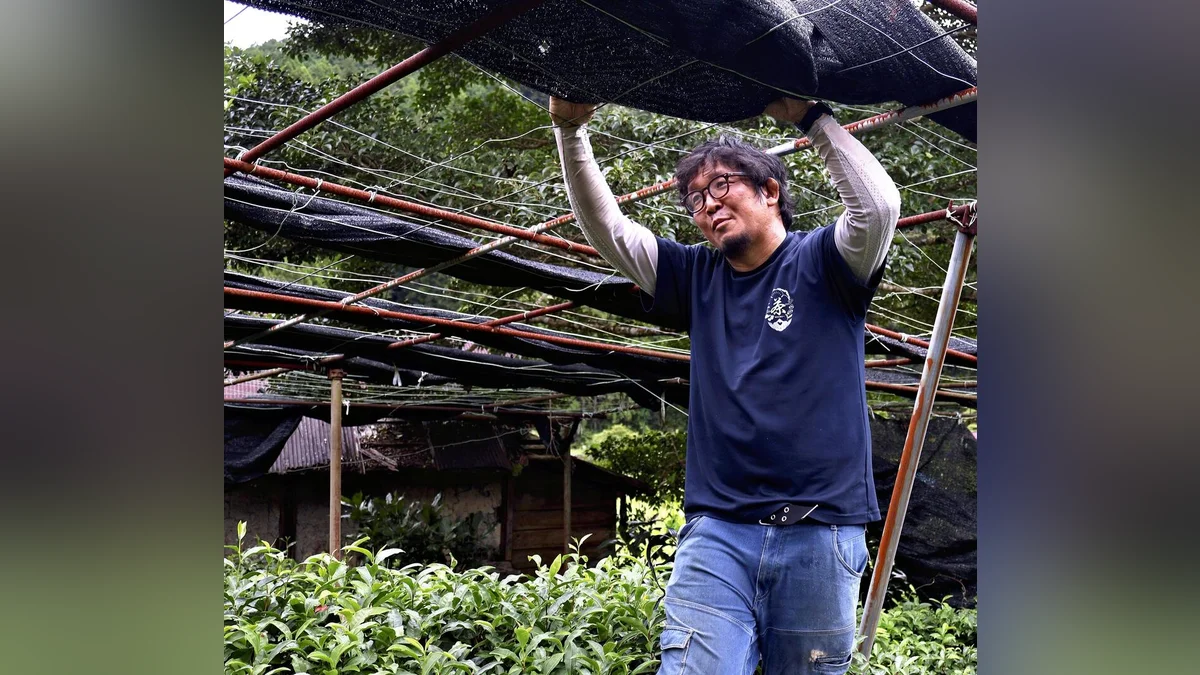
Shizuoka retook Japan's #1 first-flush tea ranking as growers convert sencha fields to tencha for matcha — reported by Yomiuri Shimbun on 19 September 2026.
Google News — Matcha / Tea Industry reports Shizuoka Prefecture has reclaimed the top spot in first-flush tea production, a ranking it had ceded to Kagoshima for two straight years, according to MAFF crop data. The shift is happening field by field: one 73-year-old grower near Shizuoka City, farming roughly 205 ares in total, has cut sencha area from 180 ares to 120 ares while expanding tencha, the leaf used for matcha, from 25 ares toward 85 ares. Growers cite tencha as the crop now anchoring their income, with one telling the outlet it 'has become essential to stable income.' The article ties the change directly to rising domestic and overseas matcha demand, which has made tencha more valuable than the sencha it is replacing across the prefecture's tea land.
03 Gyokuro Sets Record at National Tea Competition Auction: ¥1.139M per Kilogram
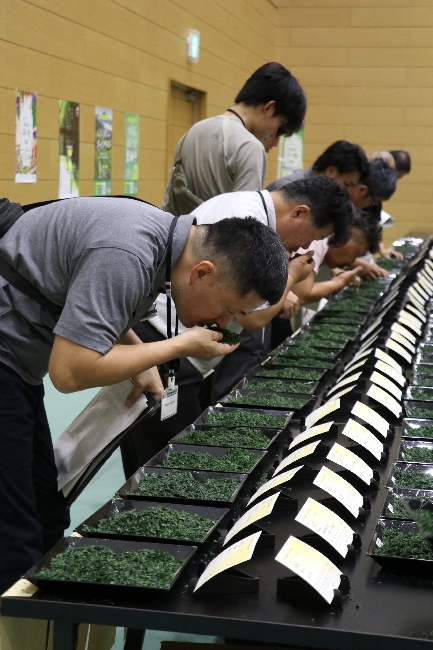
A Fukuoka-grown gyokuro sold for ¥1,139,009 per kilogram, the top price at Japan's 80th National Tea Competition — reported by AgriNews (Japan Agri News) on 19 September 2026.
AgriNews reports the 80th National Tea Competition auction in Saga drew 134 merchants bidding on 647 entries across eight categories, with total sales reaching ¥1.713 billion. The session's highest price went to a gyokuro from Miyahara Sachiko of the Hoshino branch in Fukuoka, which won the Agricultural Minister's Prize and sold for ¥1,139,009 per kilogram to buyer Hoshino Seicha. AgriNews notes tencha averaged ¥23,911 per kilogram and gyokuro averaged ¥79,397 per kilogram across the auction, putting the winning lot far above typical prices. Marukyu Koyamaen of Kyoto was the largest single buyer, taking home ¥45.64 million in lots. The outlet's own account states plainly: 'The highest bid was for a gyokuro from Miyahara Sachiko of the Hoshino branch's tea industry division, which won the Agricultural Minister's Prize, selling for ¥1,139,009 per kilogram.'
04 August Consumer Prices: Green Tea Surges 31.5% on Overseas Matcha Boom; Rice Falls 15.7%
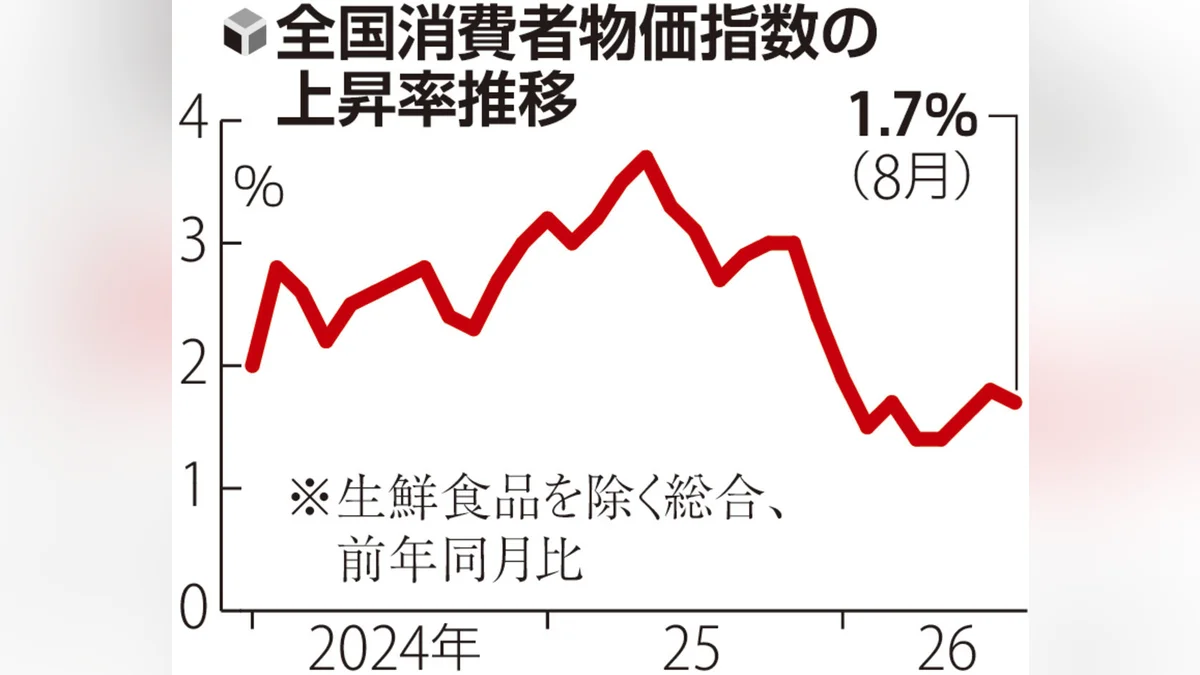
Green tea YoY price change, August 2025: 31.5% — reported by Yomiuri Shimbun on 18 September 2026.
Google News — Overseas / Boom reports Japan's August consumer price index recorded a 31.5% year-on-year jump in green tea prices, the largest such increase on record, which the report attributes to overseas matcha popularity. In the same reading, rice prices fell 15.7% year-on-year, the steepest drop in roughly 21 years, as new-crop supply reached the market. Overall prices excluding fresh food rose 1.7% year-on-year, with the resumed energy subsidy narrowing the month-on-month gain to 0.1 point, while household consumables such as detergent and plastic bags climbed 10.1% on crude-oil and Middle East pressures. The outlet quotes the data directly: 'Green tea, reflecting overseas matcha popularity, posted a 31.5% increase — the largest rise on record.' The figure gives the clearest national-statistics evidence yet that matcha demand abroad is now moving Japan's household price index.
05 Suzuyo Shoji invests in Blue Farm to secure organic matcha supply
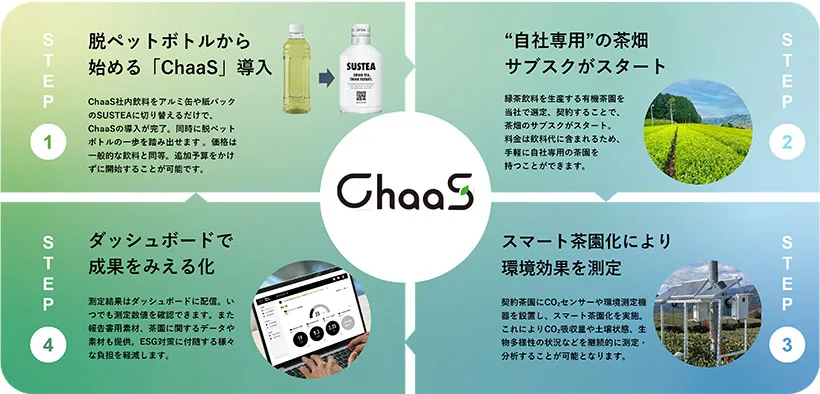
Suzuyo Shoji is backing Blue Farm's plan to grow organic tea acreage from 5 ha to 150 ha by 2028 — reported by The Japan Food Journal on 17 September 2026.
Google News — Matcha / Tea Industry reports Shizuoka logistics and trading firm Suzuyo Shoji has taken a stake in Blue Farm, which runs the MatchaaS organic JAS-certified matcha supply service and the ChaaS organic tea subscription. Blue Farm's stated target is to expand certified organic tea land from 5 hectares today to 150 hectares by 2028, a thirtyfold increase, using Suzuyo's distribution and logistics network to get there. The report frames the deal as a direct response to what it calls chronic matcha shortages set against explosive overseas demand growth, quoting the assessment that 'matcha demand from overseas is surging rapidly as a beverage and food ingredient, while supply shortages are chronic.' The investment links a large logistics operator's supply chain to a small organic producer's growth plan, a pairing the article presents as a template for closing the gap between matcha supply and demand.
The throughline for next week is simple: watch whether more logistics and trading firms follow Suzuyo's move, and whether Shizuoka's tencha expansion shows up in next year's auction results.
 From the Ooika shop
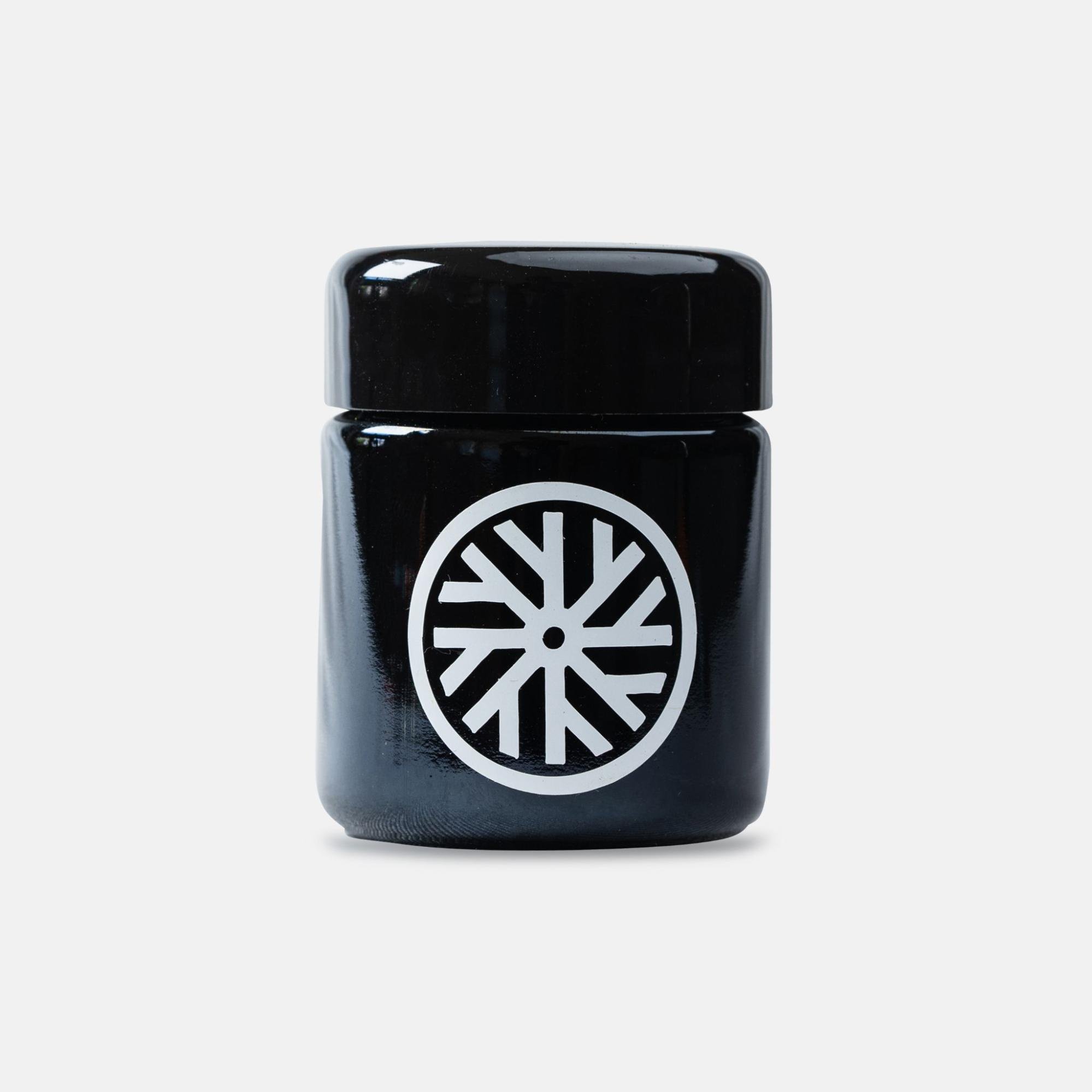
Ooika Matcha Storage Jar
$10.00
Shop now →
From the Ooika shop
Ooika Matcha Storage Jar
$10.00
Shop now →
How this edition was made
Every weekday morning Matcha Wire scans about 40 Japanese sources — national and regional newspapers, government ministries, prefectural tea associations and trade journals — and scores each story for its relevance to the tea industry. This edition covers the five highest-ranked stories of the week just ended, one of them the week's most-read story on Matcha Wire. Figures are quoted as the outlet printed them: nothing is converted between units, nothing is converted between currencies, nothing is rescaled, averaged or estimated, and no number appears on this page that the source credited beside it did not report. Where a date here reads "reported on", it is the date the outlet published, not the date we compiled it. Matcha Wire is the compiler of these figures and never the source of one.
Compiled automatically by Matcha Wire from tracked Japanese sources, with no human editor in the loop. Every figure is credited to the outlet that reported it and checked against that outlet's own article. Corrections: hello@ooika.co.
Using these figures. The figures on this page are facts reported by the outlets credited beside them, and they are free to reuse. If Matcha Wire's compilation saved you the work, a link back is appreciated. The written analysis is ours; please don't republish it wholesale.
Matcha Wire is published by Ooika, in Kyoto, Japan. You can reach a person at hello@ooika.co.
Comments
Create a free account or sign in to join the conversation.
Be the first to comment.