
News article
Global matcha boom drives sencha acreage decline as growers find tencha conversion irreversible
Rising global matcha demand is prompting Japanese tea farmers to convert sencha fields to tencha cultivation, but the shift is largely irreversible without substantial investment. Tencha requires distinct growing practices—shade management and different pruning techniques—that cannot be easily switched back to sencha production in subsequent seasons. While tencha output is rising, overall tea production continues a long-term decline, and higher input costs for fertilizer and…
世界的な抹茶ブーム、その裏で煎茶畑が減少? 「来年は煎茶」が難しい理由 - Sirabee
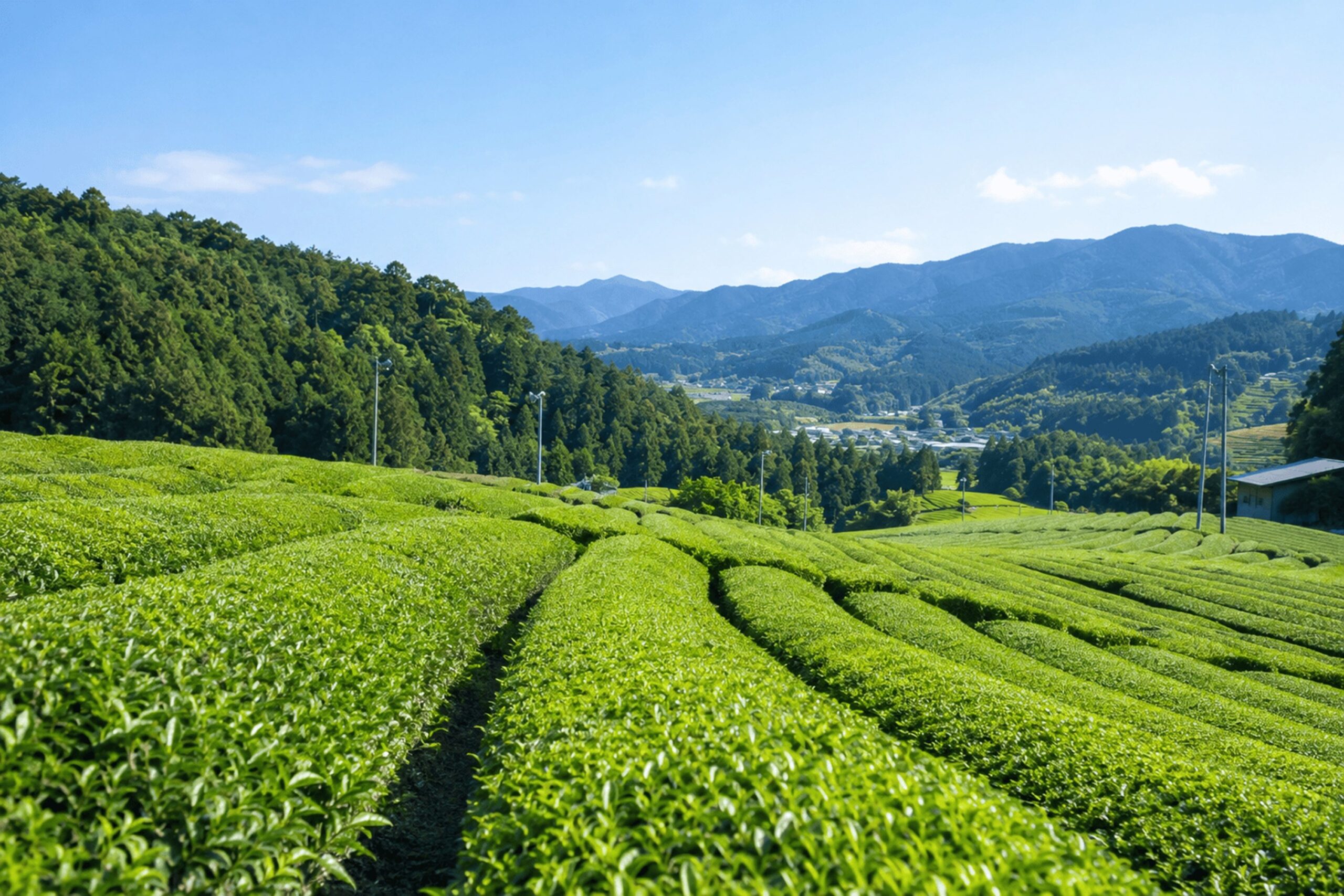
Key points
- Tencha acreage is expanding in response to overseas matcha demand, while sencha field area is contracting
- Tencha and sencha cultivation require fundamentally different plant structure and management—farmers cannot simply switc…
- Shade-growing demands, distinct pruning methods, and increased fertilizer costs make tencha production more labour-inten…
- MAFF confirms long-term decline in total tea output alongside rising tencha production—a structural rebalancing of Japan…
Read the full article at the source ↗
You're reading the free briefing — upgrade to unlock every story and read any full article in English, one click.
About this article
What they said
“Once a field is converted to matcha production, you cannot simply convert it back to sencha.”
抹茶の畑にしてしまうと、煎茶の畑に戻らないんですよ
“Sencha field area is declining somewhat.”
ちょっと煎茶の畑も減ってる
“High-quality production requires more labour and fertilizer costs increase.”
今度は手間もかかるし肥料代とかも増えてく
Unlock every story on Matcha Wire.
All articles open, plus read any full article in English in
one click — $75/mo, cancel anytime.
See what you get →
Comments
Create a free account or sign in to join the conversation.
Be the first to comment.