
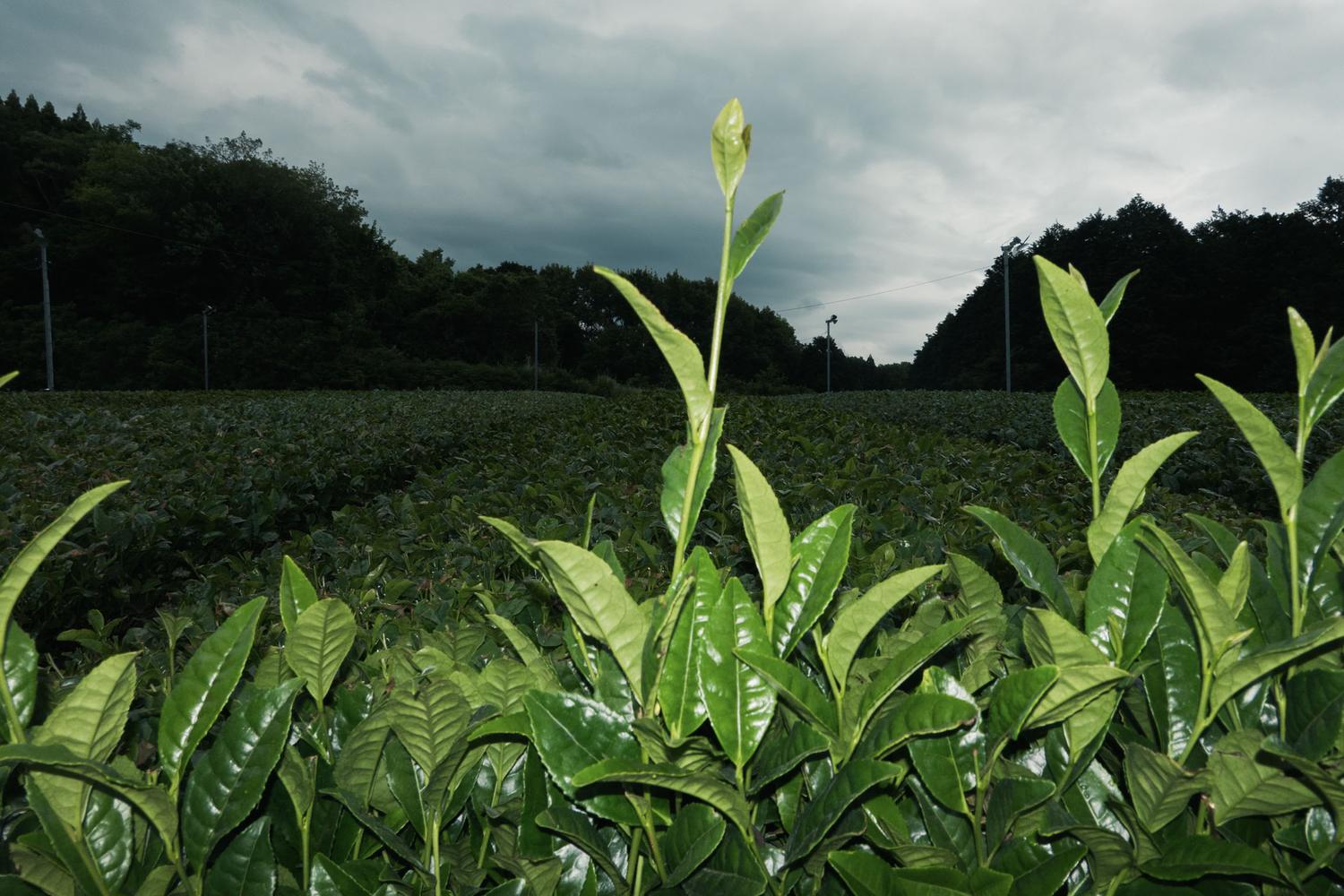
This week's five stories trace one dynamic: the matcha boom is reordering Japan's tea economy faster than the rest of the industry can adjust. The Uji auction record and the export/GI story (Kyoto Shimbun, Google News) show demand and prices at all-time highs, while the Itoen GI rollout and Matcha Wire's look at the shrinking artisanal sector show what that boom is squeezing out — sencha, small farms, and hand production.
This week in numbers
Every figure exactly as the outlet printed it, credited to the outlet that reported it and compiled by Matcha Wire.- Total trading value through July: 129億円 — reported by Kyoto Shimbun on 16 August 2026. # ↓ the story
- Powder tea share of exports: 87% — reported by Japan Agri News on 10 August 2026. # ↓ the story
- Bottle size for marked products: 600ml PET — reported by 食品新聞 on 13 August 2026. # ↓ the story
The Saga Shimbun's report on Ureshino's competition sweep is the odd one out, and useful for it: proof that Japan's tea-making craft is still winning on taste and technique even as the wider market reorganizes itself around matcha's raw material, tencha.
01 Matcha demand surge pushes Uji tea leaf trading value to record high; average prices soar
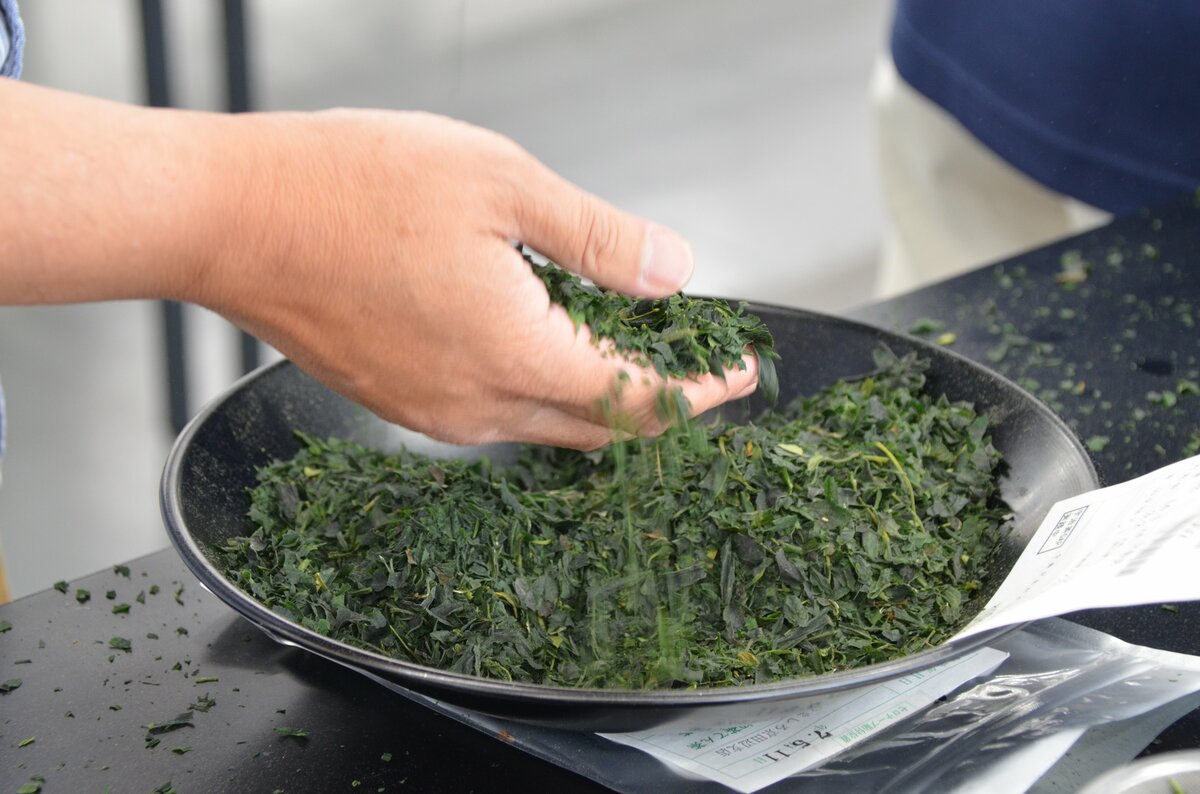
Uji's closing summer tea auction totaled ¥12.9 billion, a record, up about 30% year-on-year — reported by Kyoto Shimbun on 16 August 2026.
Kyoto Shimbun reports that the closing auction for 2026 Uji new and second-flush teas, held in late July, recorded total trading value of ¥12.9 billion, up about 30% year-on-year and the highest figure on record. Tencha, the raw material for matcha, led the gains: hand-picked tencha averaged ¥52,275/kg, up 10%, while machine-picked tencha jumped 21% to ¥17,250/kg. The shift of growers toward tencha left other categories short-handed — hand-picked gyokuro rose 27% to ¥42,909/kg and sencha climbed 48% to ¥6,646/kg. Trading volume ticked up 1% after a prior-year decline, with inbound tourism cited as the driver of matcha raw-material demand. Traders quoted by the paper voiced unease about where this ends: 'We worry whether prices have become so high that consumers might turn away.'
02 Japanese Tea Gains GI Protection; Exports Seen Boosted by Geographical Indication Status
Japan's tea exports hit a record 721 billion yen in 2025, with powder tea 87% of the 12,600-ton volume — reported by Japan Agri News on 10 August 2026.
Google News reports that Japanese tea has now secured geographical indication (GI) protection, a status meant to separate it from Chinese and other foreign producers and give authorities grounds to act against counterfeits. The move follows a record year for exports: 721 billion yen in 2025, with powder tea — matcha included — making up 87% of the 12,600-ton total volume shipped. The United States remains the dominant market at 41% of exports, with Germany, the U.K., Thailand and Taiwan (4% each) offering room to grow. The report notes GI status is meant to curb fraud, quoting concern that 'Counterfeit goods such as 'Chinese Uji matcha' have become increasingly conspicuous.' It also flags a domestic sencha shortage that could let cheaper imports fill shelves: 'Sencha is in short supply at present. There is a risk that cheap foreign tea and tea products will fill shelves made sparse by shortages.'
03 Marc Falzon and the 5%: the part of Japanese tea the matcha boom is not saving
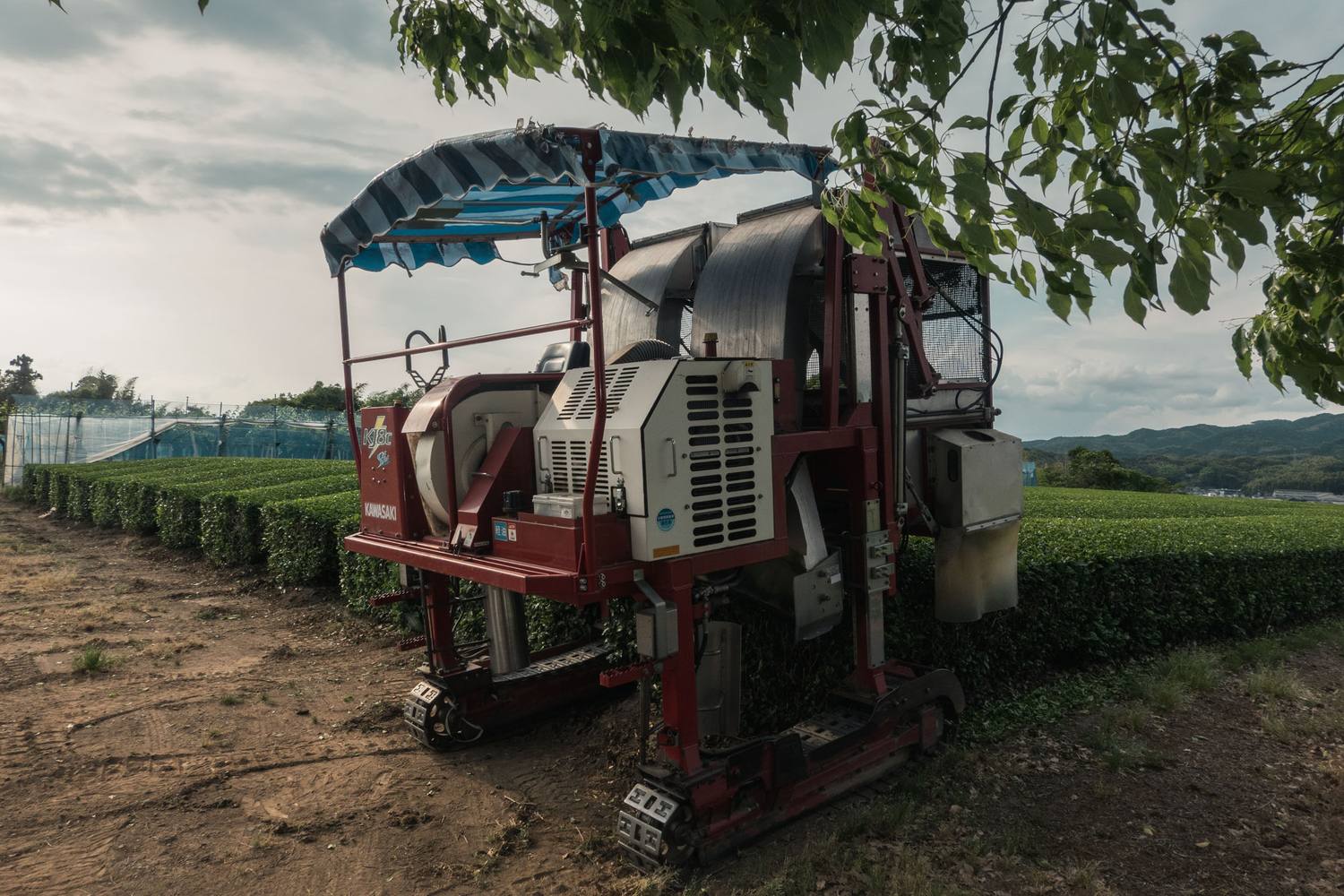
Four in five Japanese tea-farming households have vanished since 2000, pushing survivors toward machine tencha production — reported by Matcha Wire on 14 August 2026.
Matcha Wire's own reporting looks at the side of the industry the matcha boom is not lifting. Four in five Japanese tea-farming households have disappeared since 2000, and the record tencha prices detailed elsewhere this week are pulling what remains of the sector toward machine harvesting and processing. Marc Falzon built Ooika around the part of Japanese tea production that resists that pull — the hand work, small lots and craft methods that do not scale into bulk tencha output. The piece frames this as the underside of the headline growth numbers: a shrinking pool of growers still doing tea the old way, competing for relevance against an industry now organized around matcha's raw-material economics. It is a reminder that record auction prices do not automatically translate into a healthier base of producers.
04 Ureshino Tea Claims Three-Year Sweep at National Tea Competition with Top Awards in Steamed Gyokuro and Pan-Fired Categories
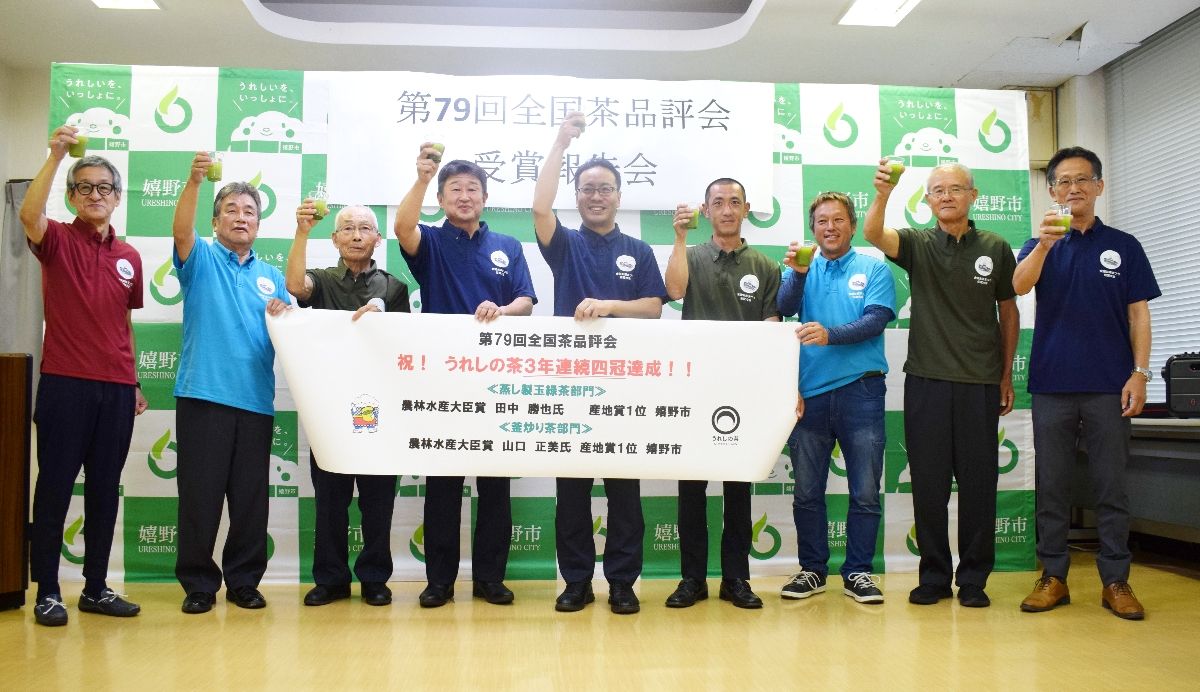
Saga Shimbun reports that Ureshino tea, from Saga Prefecture, has won the National Tea Competition's top 'four-crown' honors for a third consecutive year. The district took the highest award in both the steamed gyokuro and pan-fired tea categories, alongside the regional producer prize, sweeping the competition's major honors again. The paper frames the result as confirmation of sustained quality leadership across multiple tea styles rather than a one-off win, noting that repeated podium finishes point to consistent terroir strength and production standards in the district. Coming in a week when national tea markets are dominated by talk of matcha prices and export volumes, the Ureshino result is a reminder that Japan's competitive tea-making culture, judged on taste and craft rather than raw-material economics, is still producing results at the very top of the field.
Saga Shimbun Original (Japanese) ↗ Read the full story →
05 Itoen displays Japanese tea GI mark on Ooi Ocha to bolster domestic tea industry value
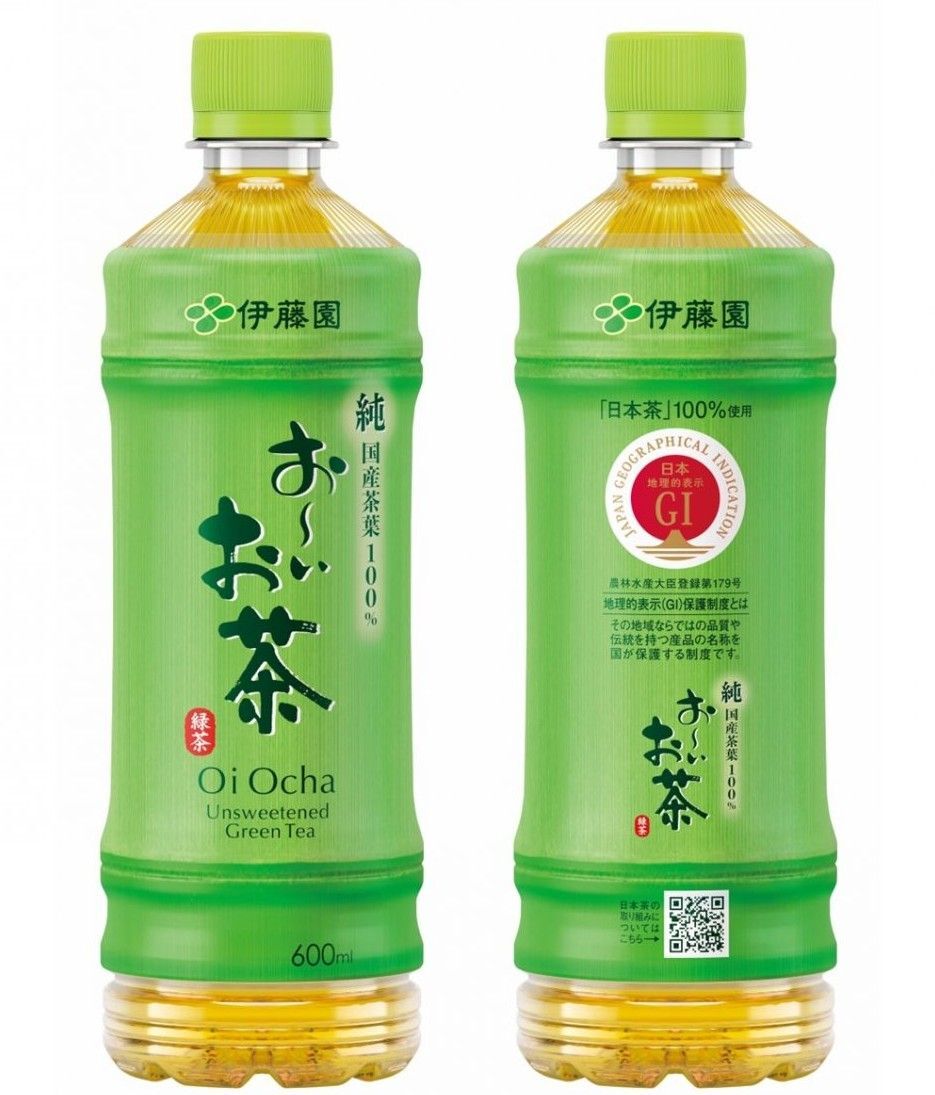
Bottle size for marked products: 600ml PET — reported by 食品新聞 on 13 August 2026.
Shokuhin Shimbun reports that Itoen will be the first company to carry Japan's new national GI mark on a retail product, adding it to three Ooi Ocha beverage SKUs — green tea, hojicha and genmaicha, each in 600ml PET bottles — from September 21. The mark, registered by Japan's agriculture ministry on July 10, certifies tea grown and processed in Japan to defined standards and is only the second such national GI after sake. The company frames the move against a backdrop of declining domestic sencha production, as growers shift toward tencha for matcha and imports move in to cover the gap. It quotes concern about 'A sense of crisis about Japan's tea industry hollowing out,' and argues that if matcha demand ever cools, growers who abandoned sencha fields will not easily restart cultivation.
Taken together, the week's numbers describe an industry pulled two directions at once — record money flowing toward matcha and its raw material, and a shrinking, harder-to-replace base of growers and tea types left to absorb the strain.
 From the Ooika shop
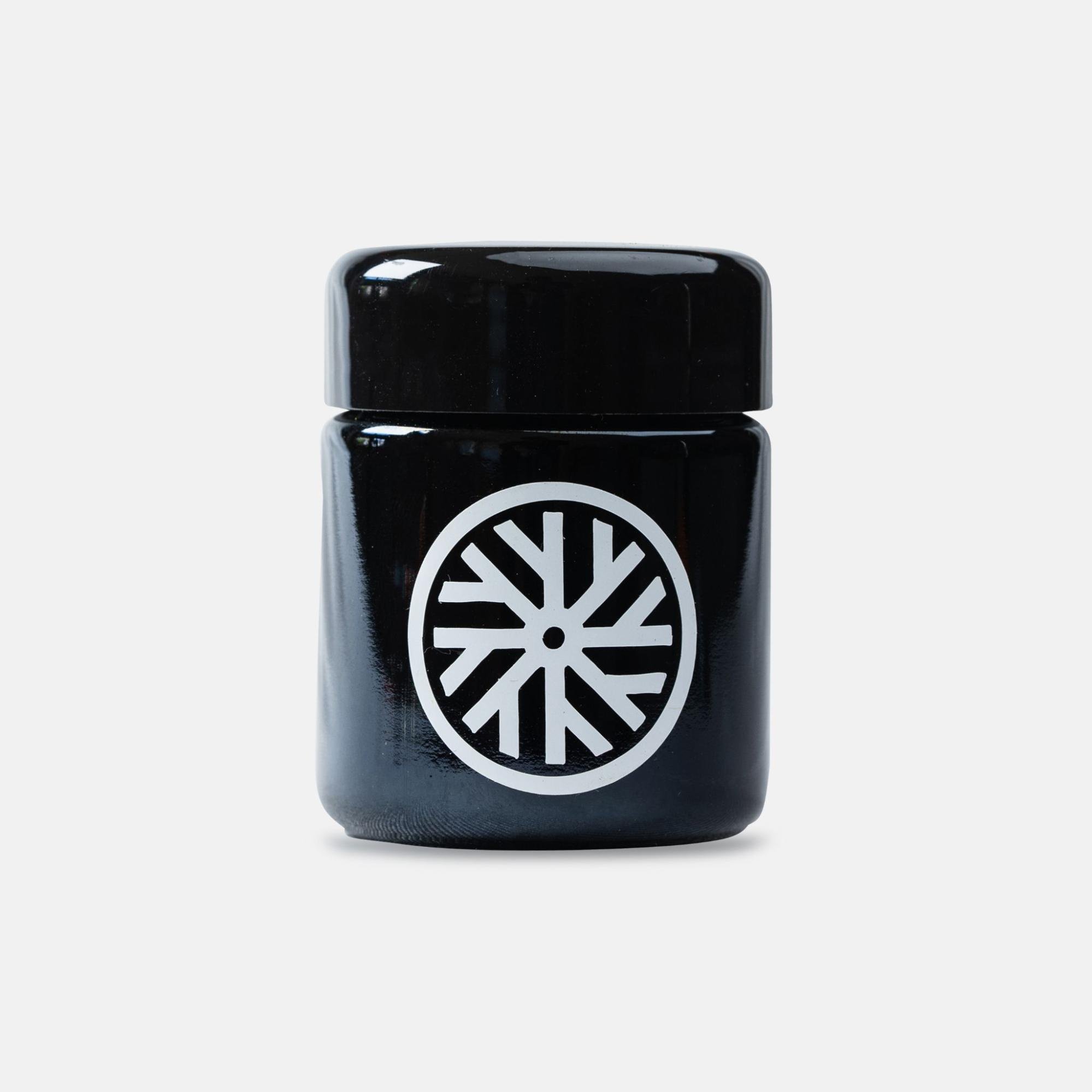
Ooika Matcha Storage Jar
$10.00
Shop now →
From the Ooika shop
Ooika Matcha Storage Jar
$10.00
Shop now →
How this edition was made
Every weekday morning Matcha Wire scans about 40 Japanese sources — national and regional newspapers, government ministries, prefectural tea associations and trade journals — and scores each story for its relevance to the tea industry. This edition covers the five highest-ranked stories of the week just ended, one of them the week's most-read story on Matcha Wire. Figures are quoted as the outlet printed them: nothing is converted between units, nothing is converted between currencies, nothing is rescaled, averaged or estimated, and no number appears on this page that the source credited beside it did not report. Where a date here reads "reported on", it is the date the outlet published, not the date we compiled it. Matcha Wire is the compiler of these figures and never the source of one.
Compiled automatically by Matcha Wire from tracked Japanese sources, with no human editor in the loop. Every figure is credited to the outlet that reported it and checked against that outlet's own article. Corrections: hello@ooika.co.
Using these figures. The figures on this page are facts reported by the outlets credited beside them, and they are free to reuse. If Matcha Wire's compilation saved you the work, a link back is appreciated. The written analysis is ours; please don't republish it wholesale.
Matcha Wire is published by Ooika, in Kyoto, Japan. You can reach a person at hello@ooika.co.
Comments
Create a free account or sign in to join the conversation.
Be the first to comment.