
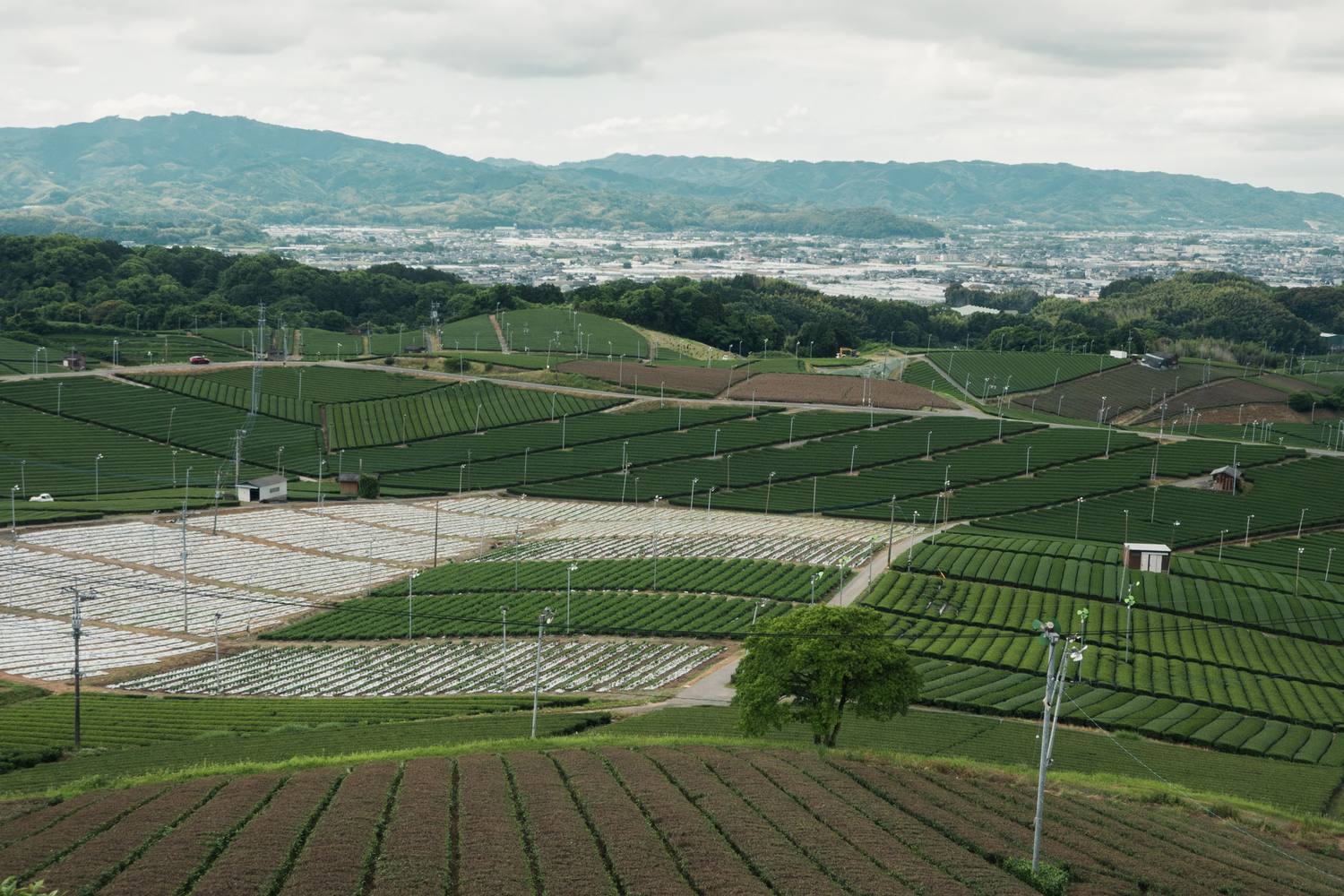
This week's five stories trace back to one force: global demand for matcha rising faster than supply chains can comfortably absorb. Kagoshima's export records, the agriculture ministry's new standards strategy, Ito En's profit slump and Guizhou's rapid build-out in China all describe different sides of the same price and volume squeeze.
This week in five numbers
Every figure exactly as the outlet printed it, credited to the outlet that reported it and compiled by Matcha Wire.- Total farm exports FY2025: 584億円 — reported by Yomiuri Shimbun Online on 25 July 2026. # ↓ the story
- Export value target for agricultural and food products: ¥5 trillion — reported by Project Design Online on 24 July 2026. # ↓ the story
- Kagoshima farm exports total: 約584億円 — reported by FNN Prime Online on 27 July 2026. # ↓ the story
- Tea-leaf price increase vs. decade ago: 10× increase — reported by Nikkei on 26 July 2026. # ↓ the story
- Tongren matcha cultivation base: 5,667 hectares — reported by People's Daily Online on 23 July 2026. # ↓ the story
Two of the five stories cover the same underlying Kagoshima trade data but were reported with different tea-export figures, ¥10.3 billion versus ¥104 billion, and different growth rates, 64% versus 164%; we carry both as filed by their respective outlets rather than reconcile them.
01 Kagoshima agricultural exports hit record ¥58.4 billion; matcha boom drives unit prices higher

Kagoshima's tea exports rose 64% to ¥10.3 billion as matcha demand pushed unit prices sharply higher in fiscal 2025 (FY2025) — reported by Yomiuri Shimbun Online on 25 July 2026.
The Yomiuri Shimbun reports Kagoshima Prefecture's combined agricultural, forestry and fisheries exports reached ¥58.4 billion in fiscal 2025, up ¥11.3 billion on the year and the fifth consecutive annual record. Tea exports alone climbed 64% to ¥10.3 billion, with agricultural products overall up 56% to ¥11.5 billion, as matcha's global popularity pushed trading unit prices sharply higher. The paper attributes the surge to health-conscious buying trends and a broader boom in Japanese food abroad, quoting a source saying 'matcha unit prices surged as demand rose alongside health-conscious trends and the Japanese food boom.' Officials describe the results as evidence that joint public-private export promotion is working, and the prefecture has set a target of ¥80 billion in total exports by fiscal 2030.
02 MAFF Adopts International Standards Strategy to Protect Matcha's Name and Japan's Tea Leadership
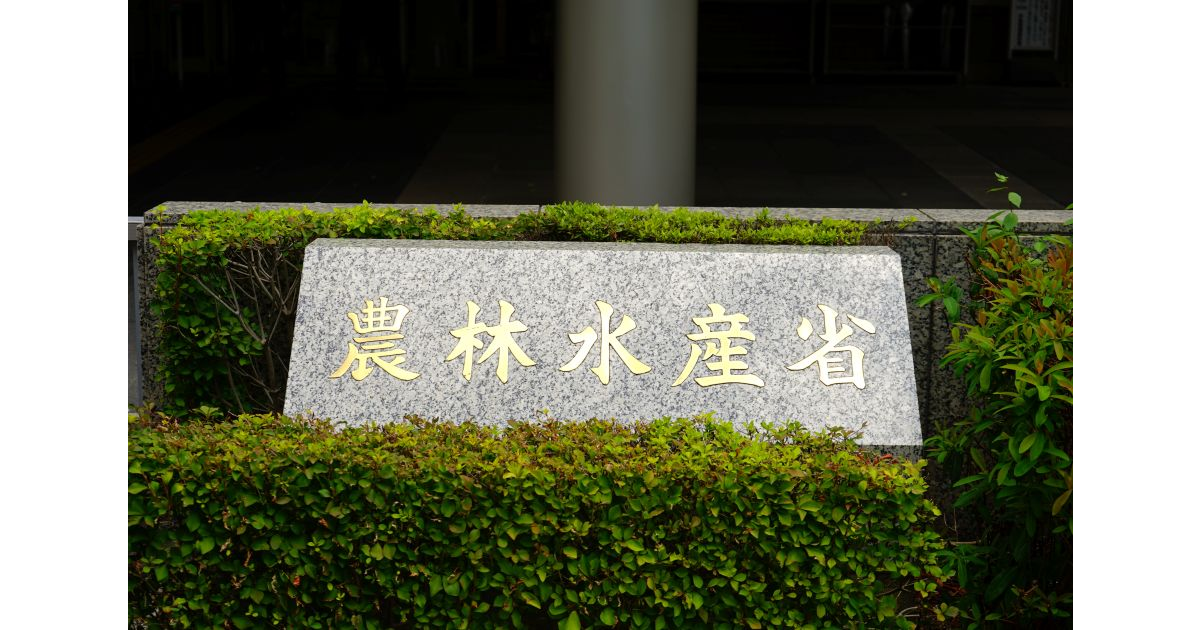
Export value target for agricultural and food products: ¥5 trillion — reported by Project Design Online on 24 July 2026.
Google News reports Japan's Ministry of Agriculture, Forestry and Fisheries adopted its first comprehensive international standards strategy on July 24, 2026, citing matcha as a case study in what is at stake. The ministry warns that without sustained participation in ISO discussions, Japan could lose the ability to freely use the name 'matcha' in overseas markets, noting the country already published a matcha technical report, ISO/TR21380, in April 2022 through its national agriculture research organization. The strategy folds in a government intellectual-property strategy from June 2025 and a METI standards-acceleration framework, and sets a goal of ¥5 trillion in high-value agricultural and food exports by 2030. One passage warns 'international markets have shifted from being mere competitive spaces for products to arenas where dominance over rule-making is contested,' framing matcha's naming rights as part of a wider contest over export value and brand protection.
03 Kagoshima's matcha, yellowtail, and beef drive farm exports to record ¥584 billion
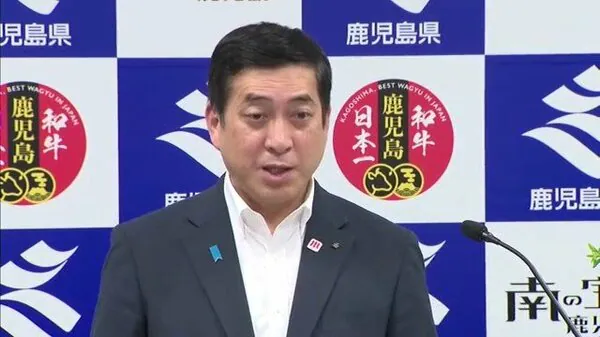
Kagoshima tea exports, led by matcha, jumped 164% to about ¥104 billion, now roughly 90% of the prefecture's farm exports — reported by FNN Prime Online on 27 July 2026.
A separate Google News report puts Kagoshima's fiscal 2025 farm exports at about ¥584 billion, again a fifth straight annual record, with tea, led by matcha, up 164% to roughly ¥104 billion and now accounting for about 90% of the prefecture's farm shipments. Agricultural-sector exports overall rose 156% to about ¥115 billion. The article credits new US and EU foodservice and café buyers, plus higher unit prices, and notes the United States alone took 53% of exports, up 31% year-on-year, with tariff measures under the Trump administration having no material effect in fiscal 2025. It quotes: 'higher unit selling prices and other factors have driven tea exports to approximately ¥104 billion, a 164% year-on-year increase.' The prefecture is targeting ¥800 billion in exports by fiscal 2030.
04 Matcha Boom Hurts Ito En: Leaf Costs Soar Tenfold, but Price Hikes Lag
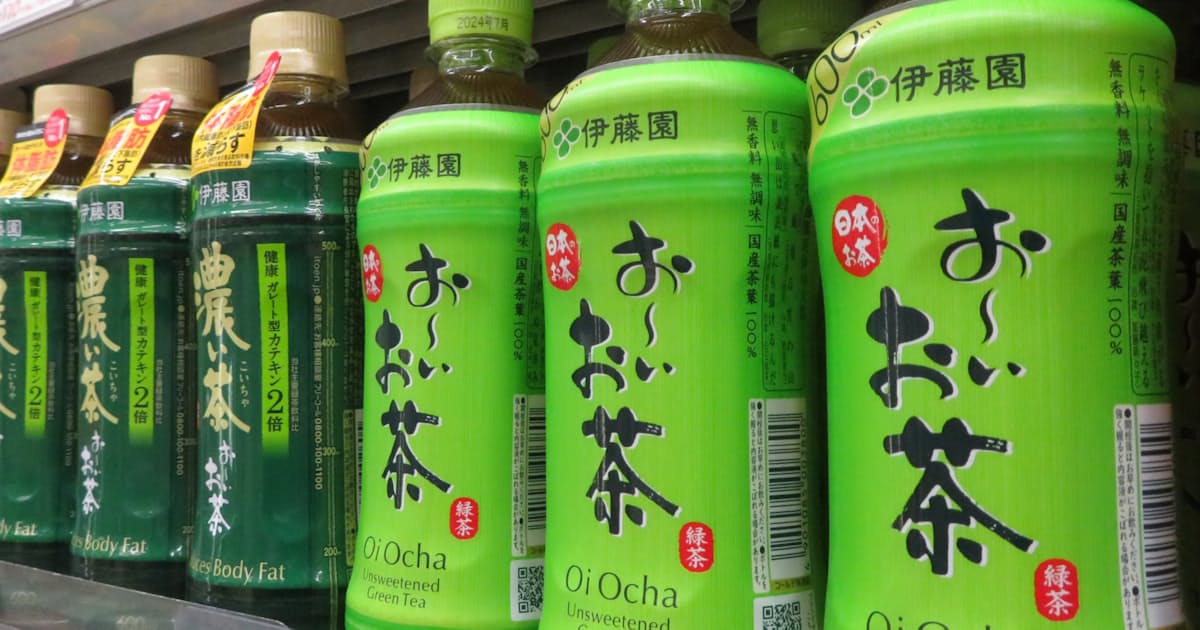
Ito En's net profit fell more than 70% in fiscal 2026 after matcha leaf costs surged tenfold over the past decade — reported by Nikkei on 26 July 2026.
Google News reports Ito En, Japan's largest green-tea beverage maker with over 30% of the domestic market, posted a net profit decline of more than 70% for the fiscal year ending April 2026, blaming matcha leaf cost inflation and impairment charges. The company says tea-leaf prices have risen tenfold over the past decade, with shortages first surfacing last summer, and that it has not been able to pass the full cost increase on to consumers. The report quotes the company recalling that 'something felt wrong' when the anomaly was first noticed, before tea-leaf shortages began disrupting procurement. Even as global matcha demand keeps rising, the article says the boom is squeezing margins at the market's biggest player rather than lifting its bottom line, underscoring how raw-material inflation now weighs on established manufacturers as much as on smaller specialty producers riding the same demand wave.
05 The Aroma of Matcha from Tongren, Guizhou Province Envelops the World
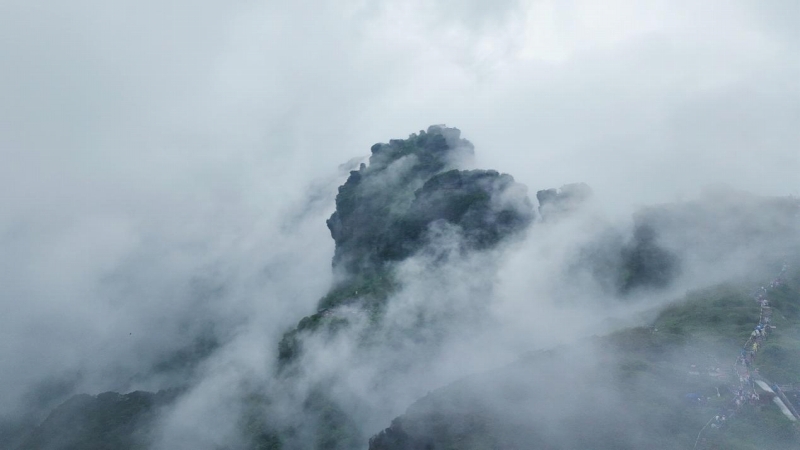
Tongren, Guizhou built 5,667 hectares of matcha cultivation and produced 2,500 tons in 2025, becoming China's top exporter — reported by People's Daily Online on 23 July 2026.
Google News reports that Tongren, in China's Guizhou province, has built 5,667 hectares of dedicated matcha cultivation base as of December 2025 and now operates what the report calls the world's largest matcha-only processing facility. Output reached 2,500 tons in 2025, making Tongren China's top matcha exporter and the world's second-largest by volume. The article says local matcha is now used across beverages, baked goods and snacks aimed at mass-market buyers rather than the ceremonial-grade niche Japan has traditionally served. As it puts it, 'in 2025, Tongren matcha production and sales reached 2,500 tons, with export volume ranking first domestically in China and second globally.' The report frames Tongren's scale-up as a competitive challenge to Japan's premium matcha positioning at the same moment Japanese producers and regulators are trying to defend the name and value of matcha internationally.
Taken together, this week's reporting shows matcha's boom cutting two ways at once: record revenue for growers and exporters in Kagoshima, and rising cost and competitive pressure for processors in Japan and challengers abroad.
 From the Ooika shop
Ooika Matcha Storage Jar
$10.00
Shop now →
From the Ooika shop
Ooika Matcha Storage Jar
$10.00
Shop now →
How this edition was made
Every weekday morning Matcha Wire scans about 40 Japanese sources — national and regional newspapers, government ministries, prefectural tea associations and trade journals — and scores each story for its relevance to the tea industry. This edition covers the five highest-ranked stories of the week just ended, one of them the week's most-read story on Matcha Wire. Figures are quoted as the outlet printed them: nothing is converted between units, nothing is converted between currencies, nothing is rescaled, averaged or estimated, and no number appears on this page that the source credited beside it did not report. Where a date here reads "reported on", it is the date the outlet published, not the date we compiled it. Matcha Wire is the compiler of these figures and never the source of one.
Compiled automatically by Matcha Wire from tracked Japanese sources, with no human editor in the loop. Every figure is credited to the outlet that reported it and checked against that outlet's own article. Corrections: hello@ooika.co.
Using these figures. The figures on this page are facts reported by the outlets credited beside them, and they are free to reuse. If Matcha Wire's compilation saved you the work, a link back is appreciated. The written analysis is ours; please don't republish it wholesale.
Matcha Wire is published by Ooika, in Kyoto, Japan. You can reach a person at hello@ooika.co.
Comments
Create a free account or sign in to join the conversation.
Be the first to comment.