
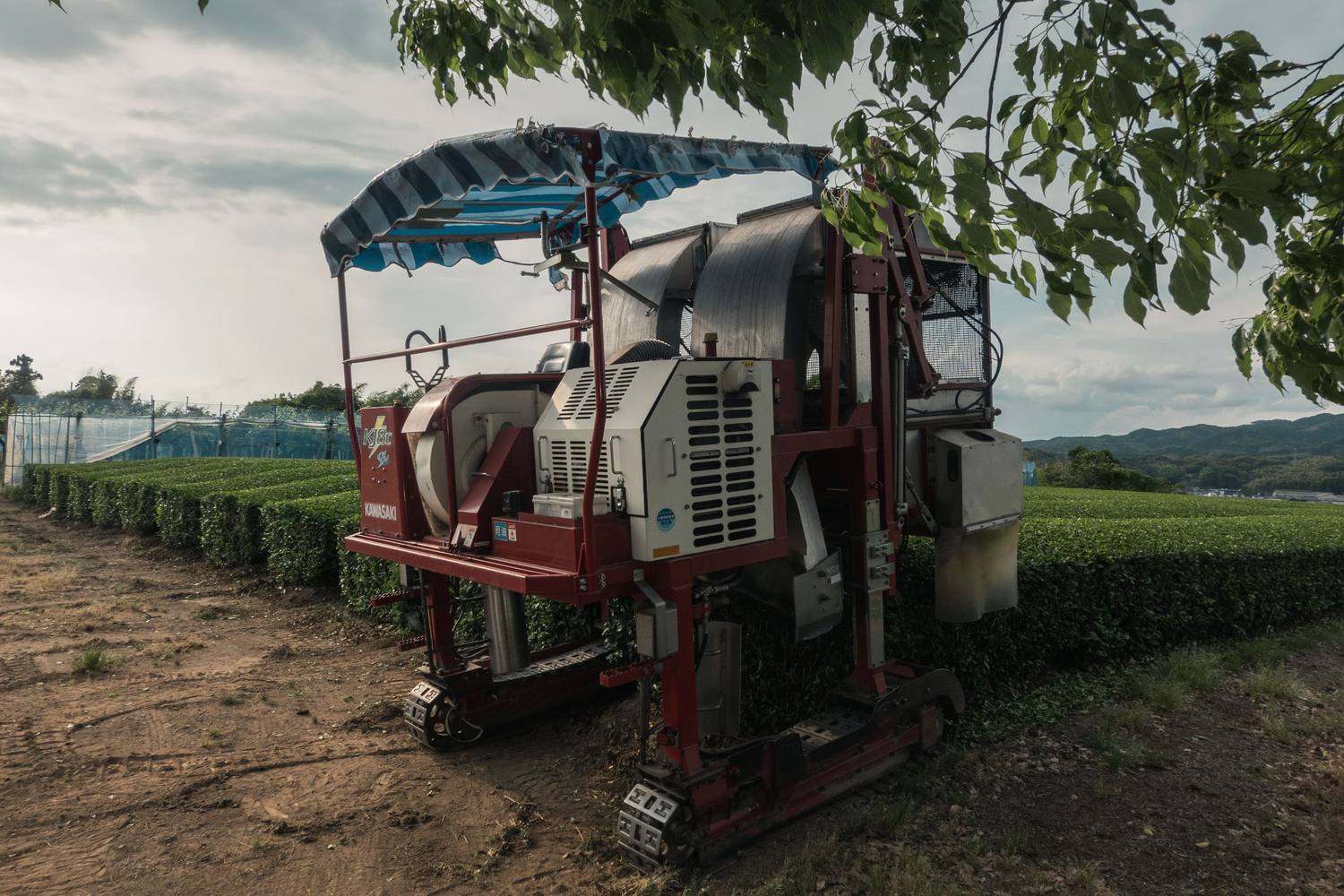
This week's news turns on one event: the inaugural International Matcha Congress in Tokyo, which three outlets covered from different angles. Google News reporting on the Congress itself, on its Kagoshima organizer, and on the market numbers behind it together frame a single question — who sets the standard for matcha as the category goes global. Kyoto Shimbun's dispatch from Uji's stone mills and PR Times' write-up of a Singapore brand's Tokyo pop-up show the same tension playing out at opposite ends of the trade: tight, costly, tradition-bound supply on one side, loose, casual, borderless demand on the other.
This week in five numbers
Every figure exactly as the outlet printed it, credited to the outlet that reported it and compiled by Matcha Wire.- Matcha latte varieties: 7 — reported by PR TIMES on 26 October 2026. # ↓ the story
- Attendees from countries/regions: 27 — reported by Project Design Online on 13 November 2026. # ↓ the story
- China's global tencha market share: 7割 — reported by Nippon TV on 11 November 2026. # ↓ the story
- Marukyu Koyamaen history: 300年以上 — reported by Kyoto Shimbun on 15 November 2026. # ↓ the story
- Countries represented at Congress: 27 — reported by Nippon TV on 12 November 2026. # ↓ the story
Taken together, the five stories describe an industry scaling faster than its own definitions can keep up with.
01 Matchami Lab opens inaugural pop-up in Omotesando with seven flavored matcha lattes

Singapore brand's first Tokyo pop-up sells seven flavored matcha latte varieties from ¥900, skipping ceremony trappings — reported by PR TIMES on 26 October 2026.
Matchami Lab, a Singapore-based flavored matcha brand, opened its first pop-up in Omotesando from November 6 to 8, 2026, according to PR TIMES. The shop offered seven matcha latte varieties priced from ¥900 alongside exclusive baked goods. The brand's pitch is explicitly casual: pastel, cosmetics-style packaging replaces the usual tea-ceremony visual language, and the founder frames the move as a response to matcha's lingering reputation as demanding or bitter for newcomers. One quote carried by PR TIMES states that etiquette and taste have kept matcha from becoming an everyday choice for many drinkers. Another has the founder saying the goal is letting people enjoy matcha whenever and however they like, regardless of nationality or familiarity with formal tea culture. The outlet frames this as a deliberate break from ceremony-centered marketing aimed at a global, ceremony-agnostic customer base.
02 International Matcha Congress convenes for first time, drawing 1,200 delegates from 27 countries and regions to form 'Specialty Matcha' market with shared quality standards
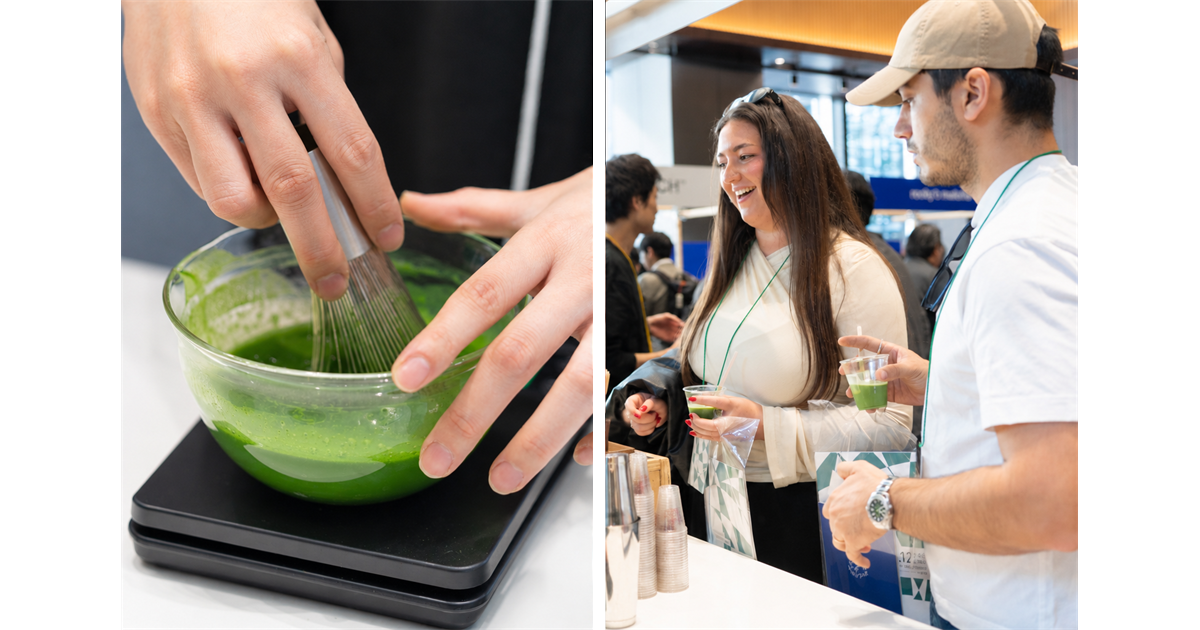
1,200 delegates from 27 countries met to build a 'Specialty Matcha' market graded on common quality metrics — reported by Project Design Online on 13 November 2026.
The newly formed International Matcha Association held its first International Matcha Congress in Tokyo on November 12, drawing more than 1,200 attendees from 27 countries and regions, Google News reports. The event's central aim was building a 'Specialty Matcha' category priced according to shared quality benchmarks rather than volume alone. Former Agriculture Minister Suzuki Norikazu noted Japan's 2025 green tea exports reached ¥72.1 billion even as domestic tea cultivation area fell 24.1% over the past decade. Across five sessions, delegates addressed supply shortages, grading standardization, and café-sector demand for higher-grade leaf. Blind cuppings involving more than 350 participants and over 15 exhibiting brands accompanied the talks, alongside a craft tea-bowl demonstration. One quote warns that pricing cheap and premium matcha identically commoditizes the market; another frames rival-producing nations as potential partners in building shared value.
03 Kagoshima tea farmer convenes first International Matcha Congress to address quality amid global shortage
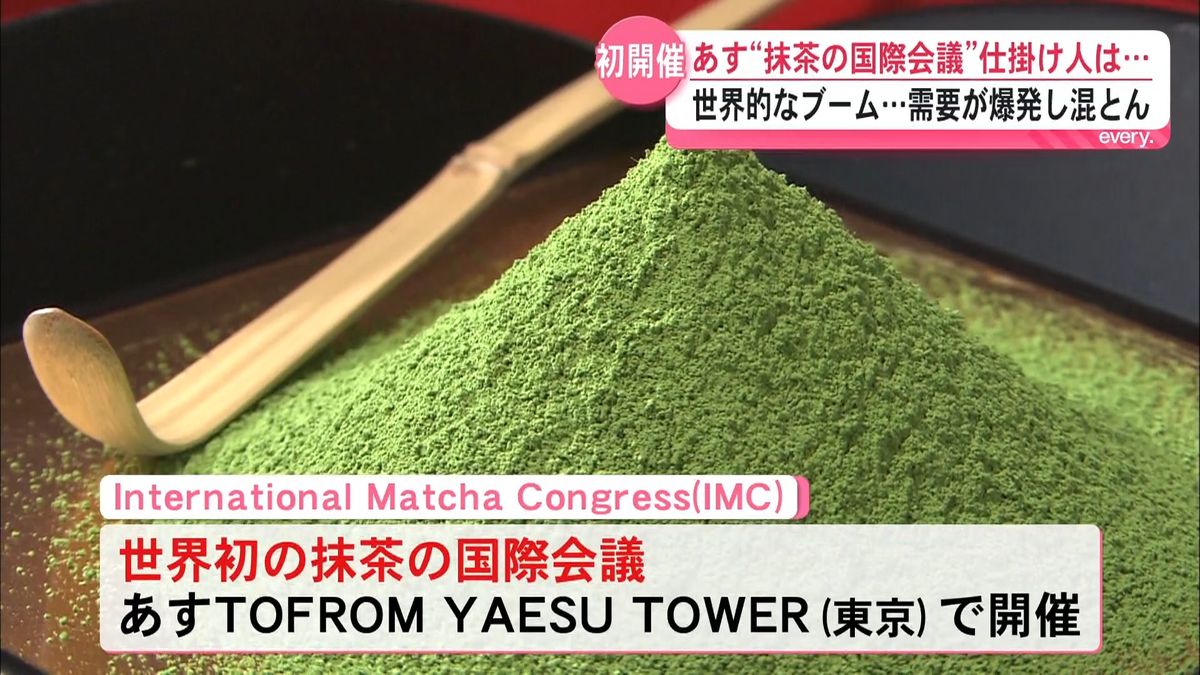
China now holds a 70% share of global tencha supply, prompting a Kagoshima producer to convene the first matcha congress — reported by Nippon TV on 11 November 2026.
Nishi Toseisha, a Kagoshima tencha producer with more than 20 years in the business, organized the world's first International Matcha Congress, held November 12 in Tokyo, according to Google News. The report frames the event as a response to a widening gap between surging global demand and slipping quality, noting China now accounts for 70% of global tencha production. Kagoshima itself has ranked Japan's top tea-producing region for two consecutive years, giving the organizer a direct stake in how standards get set. The article describes a market where price and quality have decoupled, with buyers taking whatever supply is available regardless of grade. The newly formed International Matcha Association, launched this spring, is positioned as the body meant to fix that. One quote notes that when everything sells at high prices, quality inevitably declines; another calls the current rush-driven market extremely chaotic.
04 November Tea Season: Uji Matcha Takes Shape at Stone Mills, Output Constrained by Leaf Costs
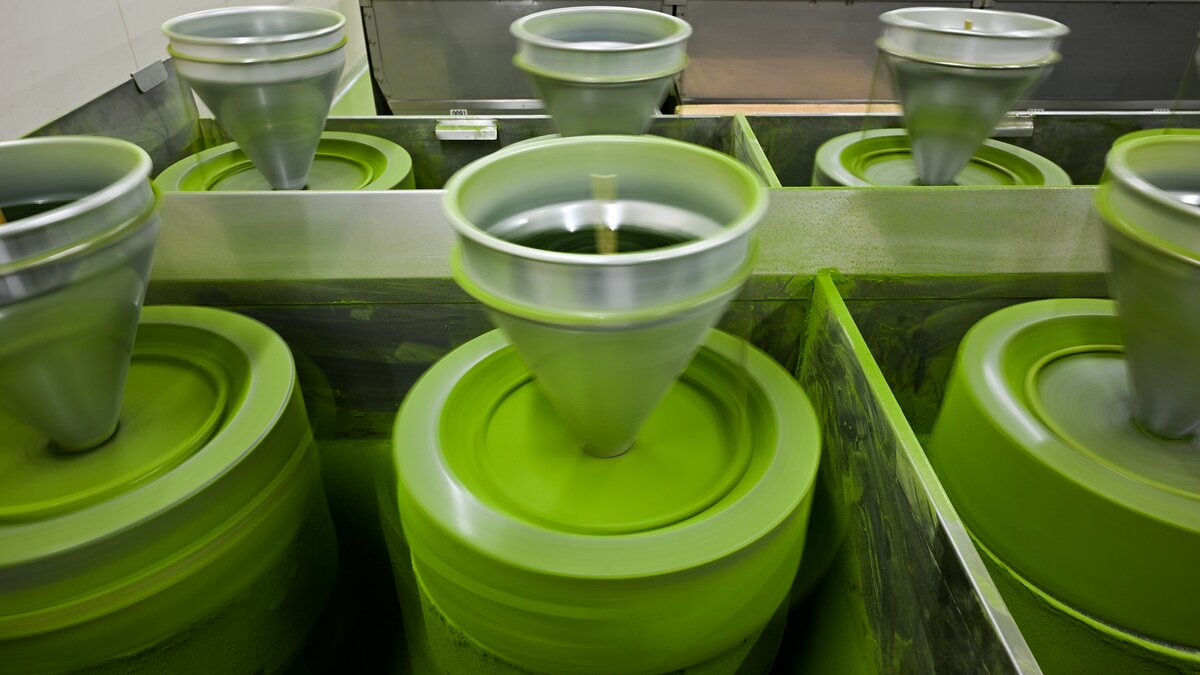
Marukyu Koyamaen's stone mills turn out roughly 40 grams of matcha per hour as leaf costs push prices to double last year's — reported by Kyoto Shimbun on 15 November 2026.
November marks the peak of Uji's matcha production season, and Kyoto Shimbun reports that Marukyu Koyamaen, a maker with more than 300 years of history, is grinding tencha into matcha on electric stone mills kept to roughly 40 grams of output per hour to avoid friction heat degrading flavor. Raw leaf costs have climbed sharply enough that matcha prices have roughly doubled year-on-year following two separate price increases over the past year. Despite that, the article notes demand from both inbound visitors and domestic tea practitioners remains strong, pushing the company to ration sales to keep supply and quality consistent across its named grades. One quote describes constant maintenance of the mill grooves; another expresses a wish to deliver stable-quality product to tea practitioners nationwide, underscoring the strain between tradition-bound output and rising demand.
05 Matcha market enters 7.6 trillion yen era as inaugural International Matcha Congress draws 1,200+ participants from 27 countries
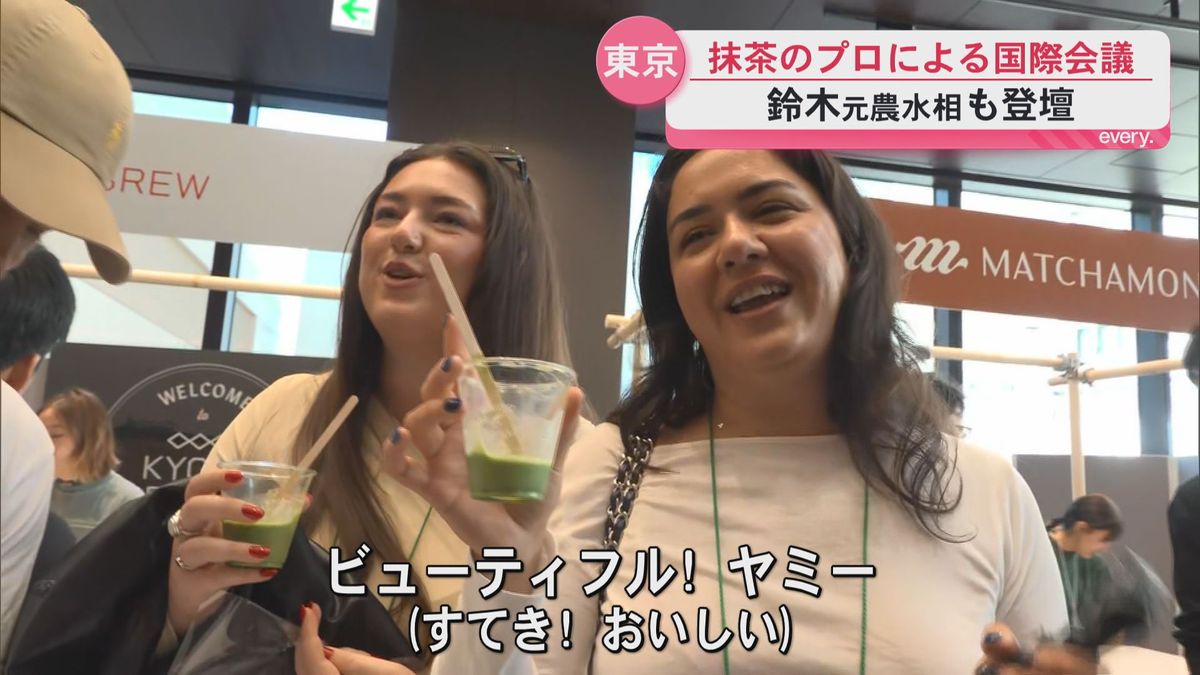
Organizers project the matcha market reaching 7,600 hundred million yen as 1,200-plus delegates from 27 countries convened — reported by Nippon TV on 12 November 2026.
Google News reports that Tokyo's first International Matcha Congress drew more than 1,200 participants from 27 countries, including producers from Japan and China, with the matcha market projected to reach 7,600 hundred million yen as global demand spreads beyond Japan. The coverage frames protecting an authentic definition of matcha, and its quality standards, as the industry's central challenge now that overseas producers are entering the market at scale. Regional producers, including those in Kagoshima, are described as treating the current demand surge as a chance to build durable market presence rather than a short-term windfall. One quote, attributed simply to the event, states a wish to create a venue for deepening understanding of matcha, framing the Congress itself as an attempt to get ahead of a market expanding faster than agreed definitions of quality can follow.
Read together, this week's reporting suggests the matcha trade is moving from a supply story to a standards story — and the next several Congress cycles will likely decide who writes those standards.
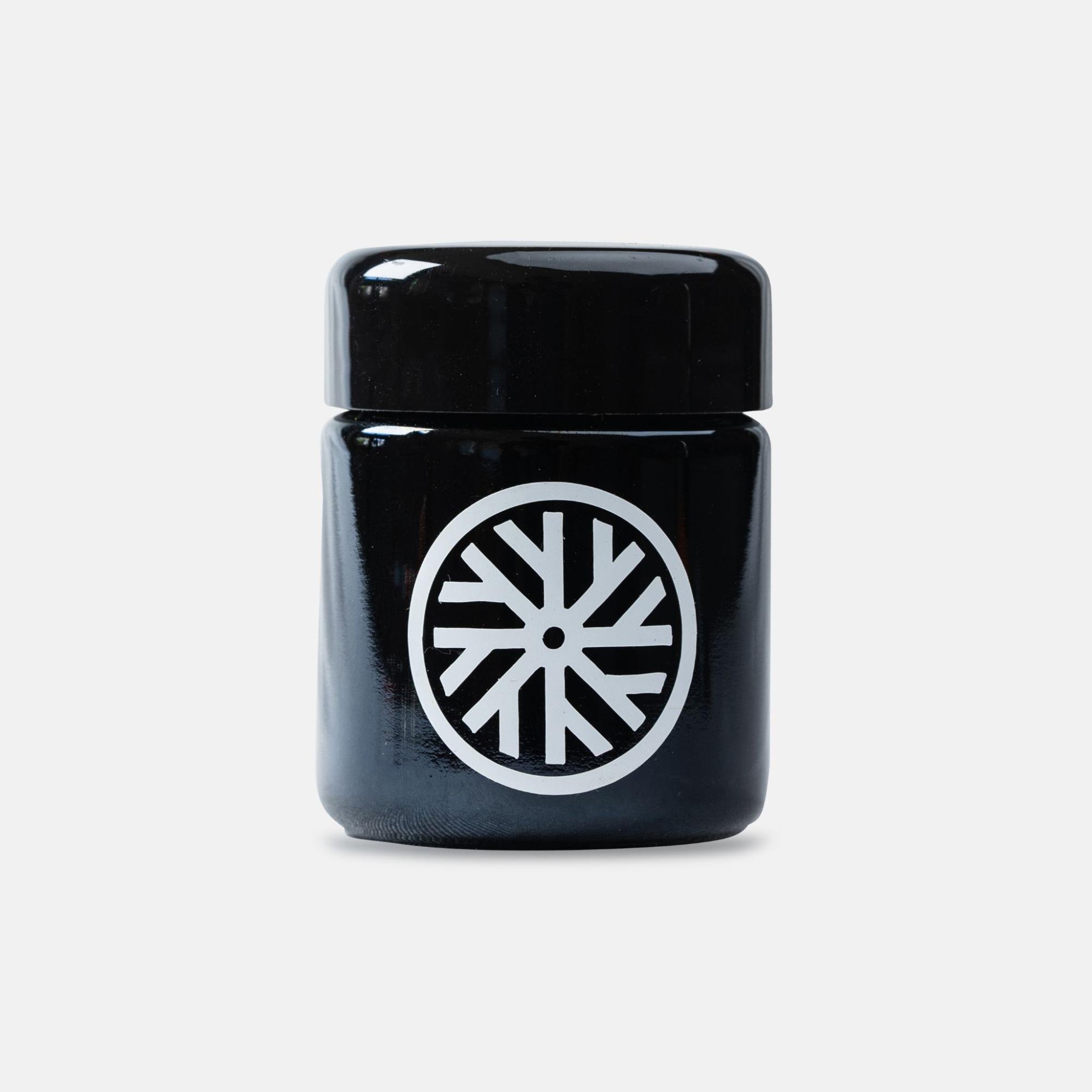 From the Ooika shop
Ooika Matcha Storage Jar
$10.00
Shop now →
How this edition was made
Every weekday morning Matcha Wire scans about 40 Japanese sources — national and regional newspapers, government ministries, prefectural tea associations and trade journals — and scores each story for its relevance to the tea industry. This edition covers the five highest-ranked stories of the week just ended, one of them the week's most-read story on Matcha Wire. Figures are quoted as the outlet printed them: nothing is converted between units, nothing is converted between currencies, nothing is rescaled, averaged or estimated, and no number appears on this page that the source credited beside it did not report. Where a date here reads "reported on", it is the date the outlet published, not the date we compiled it. Matcha Wire is the compiler of these figures and never the source of one.
Compiled automatically by Matcha Wire from tracked Japanese sources, with no human editor in the loop. Every figure is credited to the outlet that reported it and checked against that outlet's own article. Corrections: hello@ooika.co.
Using these figures. The figures on this page are facts reported by the outlets credited beside them, and they are free to reuse. If Matcha Wire's compilation saved you the work, a link back is appreciated. The written analysis is ours; please don't republish it wholesale.
Matcha Wire is published by Ooika, in Kyoto, Japan. You can reach a person at hello@ooika.co.
Comments
Create a free account or sign in to join the conversation.
Be the first to comment.