
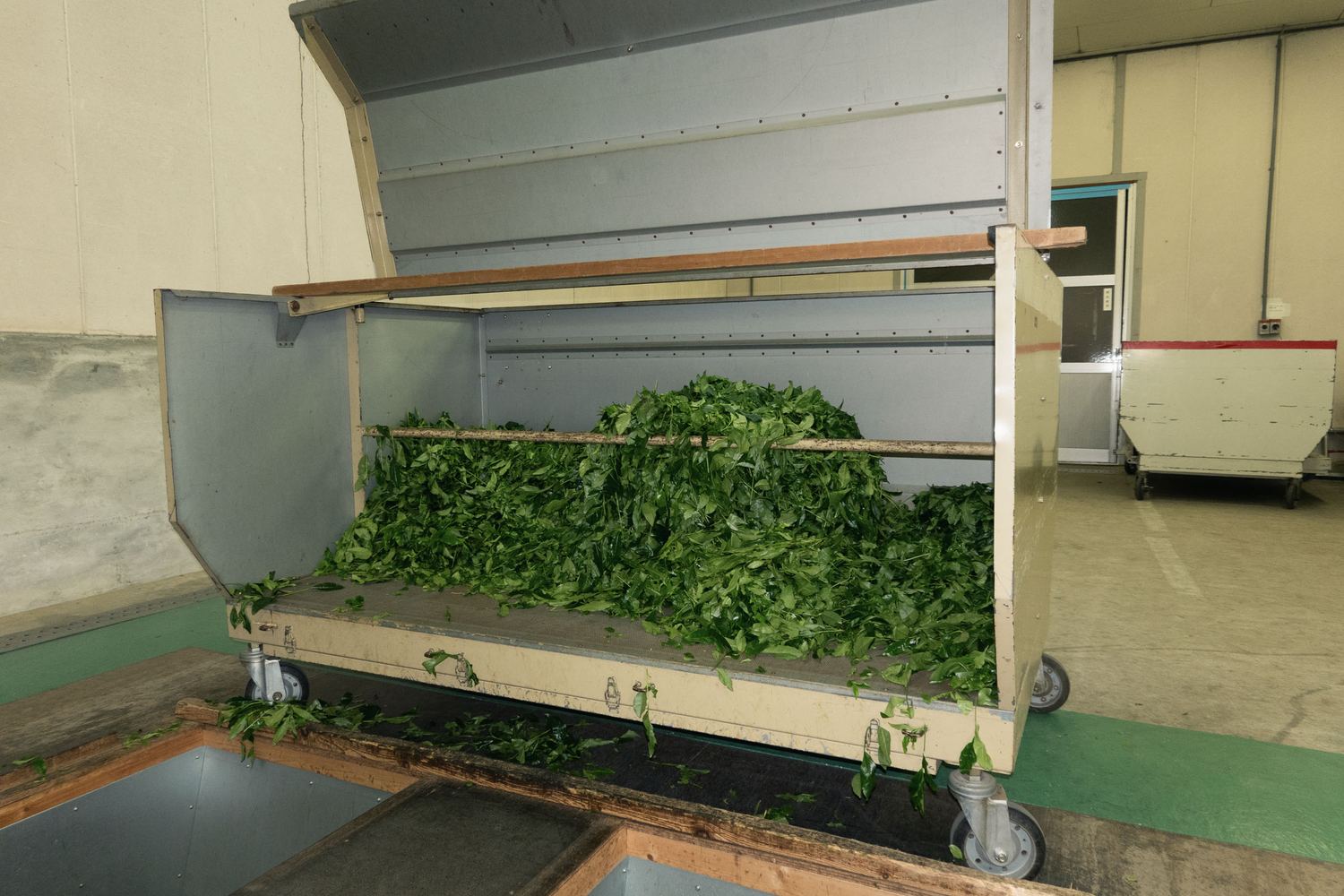
This week in numbers
Every figure exactly as the outlet printed it, credited to the outlet that reported it and compiled by Matcha Wire.- JA Kagoshima matcha facility investment: 約26億円 — reported by Asahi Shimbun Digital on 20 October 2026. # ↓ the story
- Powder-tea export growth: 約7倍 — reported by sagatv.co.jp on 22 October 2026. # ↓ the story
- GI usage applications filed: 72件 — reported by ssnp.co.jp on 22 October 2026. # ↓ the story
- GI mark applications filed: 72件 — reported by Nikkei on 21 October 2026. # ↓ the story
01 Matcha factory construction accelerates in Kagoshima as processing capacity lags raw-material supply
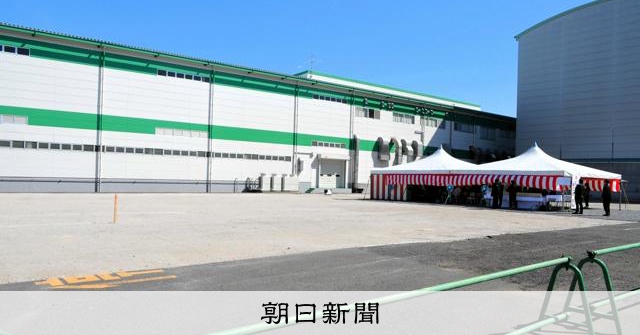
JA Kagoshima matcha facility investment: 約26億円 — reported by Asahi Shimbun Digital on 20 October 2026.
Asahi Shimbun Digital reports that Kagoshima, Japan's top raw-tea prefecture for six straight years, is finally building the mills to finish its own tencha rather than shipping it elsewhere. JA Kagoshima's new 2,567 square meter facility, costing roughly 2.6 billion yen, will raise annual output from about 10 tonnes to 300 tonnes by December 2027. Horiguchi En and Ohashi Seicha are building mills of their own; Ohashi told the outlet it had orders and raw material on hand but still faced three-month processing delays. The prefecture grew 2,670 tonnes of tencha in 2025 yet milled only around 400 tonnes locally, sending the rest out at thin margins. As the outlet quotes one source, the goal is to be 'not just #1 in volume but in finished products too.'
02 Global matcha boom strains Japan's supply as exports surge
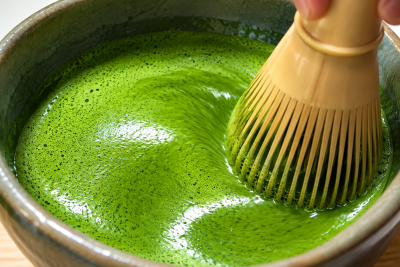
Google News reports that global demand has pushed Japanese matcha exports up sharply since 2025, with one longstanding producer telling the outlet sales now run three to four times higher than a decade ago, led by younger overseas consumers. The strain shows on shelves: Meiji discontinued its bestselling Super Cup matcha ice cream, citing a shortage of raw material. The outlet traces the bottleneck to tencha itself, noting tea plants need three to four years from seedling to first harvest, and that tencha cultivation and processing is more demanding than sencha, which discourages new growers even as Japan's tea acreage keeps shrinking under succession pressure. Meanwhile China and India are scaling production fast, prompting July's registration of 'Japanese tea' as a geographic indication meant to defend the country's reputation.
03 Global matcha boom drives leaf-tea prices near double in Ureshino; producers balance heritage gyokuro with tencha expansion
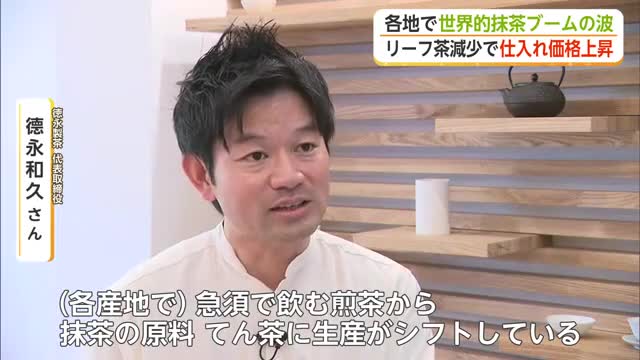
Ureshino's gyokumushi first-flush price rose 1.89 times year on year as fields shift from leaf tea toward tencha — reported by sagatv.co.jp on 22 October 2026.
Google News reports that overseas demand is reshaping Japan's tea regions, with powder-tea exports up roughly sevenfold in six years pulling farmers away from leaf tea toward tencha. In Ureshino, first-flush prices for the region's signature gyokumushi nearly doubled, rising 1.89 times year on year, while first-flush prices overall climbed 1.44 times, squeezing producers who still sell brewing tea. Tokunaga Seicha and other makers are holding retail prices steady by shrinking packages from 100 grams to 80 grams rather than raising prices outright. The region is also building its first tencha-processing factory, an investment above 1 billion yen, due to open in spring 2027. The outlet quotes one voice calling the year-on-year price gap 'unprecedented' while insisting Ureshino must pursue matcha without losing its gyokumushi and leaf-tea heritage.
04 Japanese tea industry unites behind GI protection to sustain matcha boom and boost exports
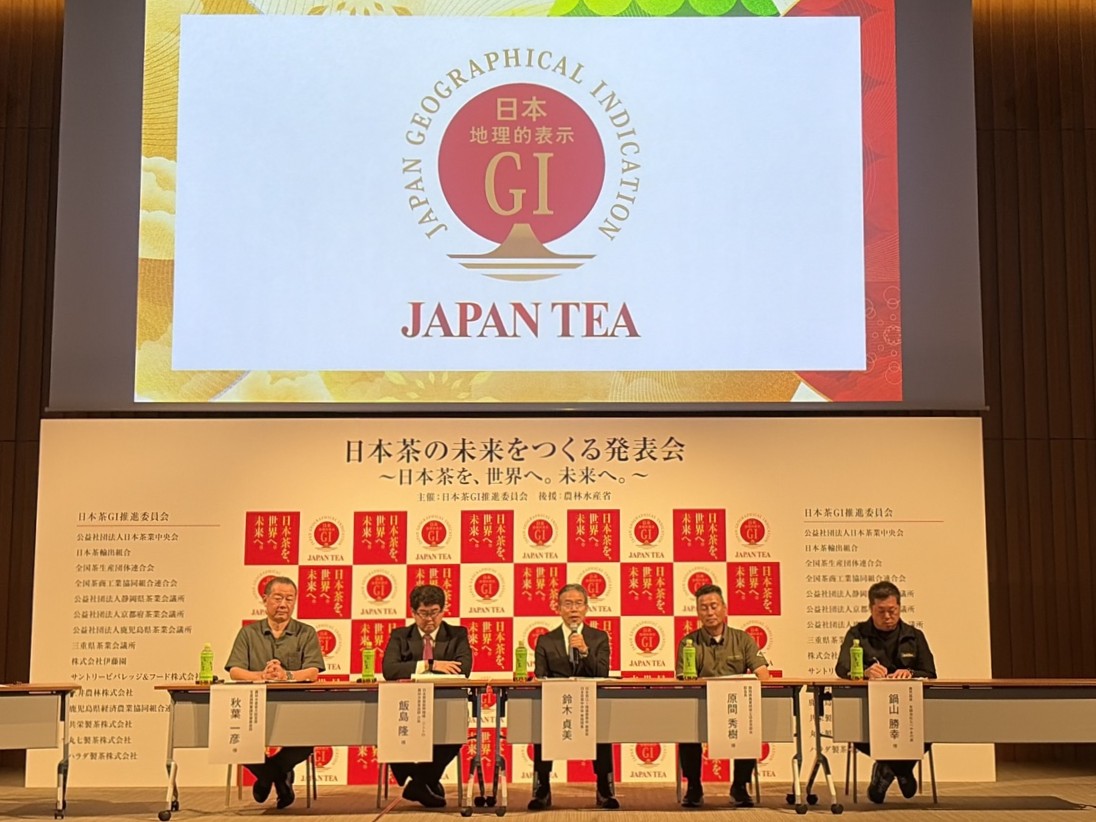
Japan's new tea GI drew 72 usage applications covering about 500 products as 2025 exports doubled to 721 hundred million yen — reported by ssnp.co.jp on 22 October 2026.
Google News reports that Japan's first nationwide geographic indication for tea, registered in July, had drawn 72 usage applications by October 16, covering roughly 500 products at retail or in development. The protection arrives as green tea exports doubled in 2025 to 721 hundred million yen and continued at 674 hundred million yen in the first eight months of 2026, outpacing a shrinking harvest. Cultivated area has fallen 31 percent since 2008, from 48,000 to 33,000 hectares, with production down 22 percent to 75,000 tons. The outlet reports growing concern that counterfeit Chinese matcha sold under Japanese-styled packaging is eroding the country's reputation, even as leaders worry about keeping tea affordable at home. One voice quoted by the outlet said the industry is 'not fully meeting our supply responsibility to deliver tea at an affordable price for consumers.'
05 Japanese Tea GI Promotion Committee Launches to Combat Counterfeit Matcha Amid Overseas Boom
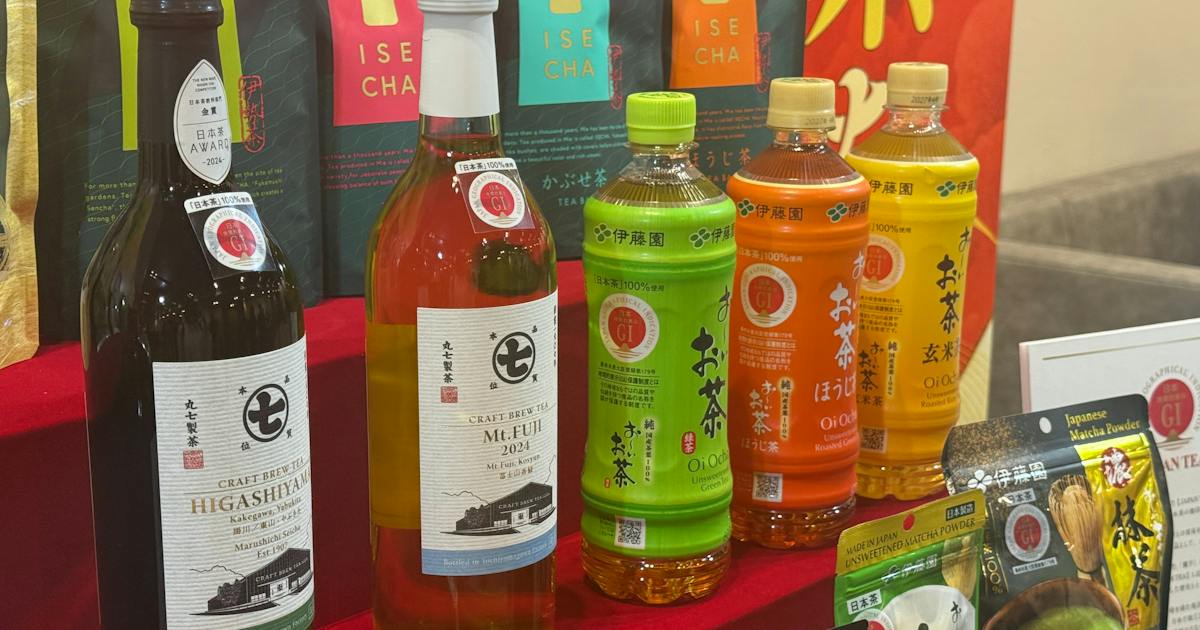
A new GI Promotion Committee is pushing the mark as exports hit 674 hundred million yen in the first eight months of 2026 — reported by Nikkei on 21 October 2026.
Google News reports that tea industry groups have formed the Japan Tea GI Promotion Committee to spread use of the new GI mark and push back against counterfeit matcha sold overseas. As of September 16, 72 applications had been filed and about 500 products approved to carry the mark, with Itouen among the first to sell GI-labeled O-i Ocha. The push comes as Japan's tea exports reached 674 hundred million yen in the first eight months of 2026, about 1.8 times the prior year's pace, even as Chinese goods falsely labeled 'Uji matcha' circulate abroad. The outlet quotes the committee saying the mark will make clear to consumers 'that the product is Japanese-made,' and notes that differentiating from counterfeits has become 'an urgent priority.'
Taken together, the week's reporting describes an industry building mills, raising prices and filing paperwork at the same pace it is losing farmland, with the GI mark and new factories both aimed at the same question: who captures the value of the matcha boom before supply runs out.
 From the Ooika shop
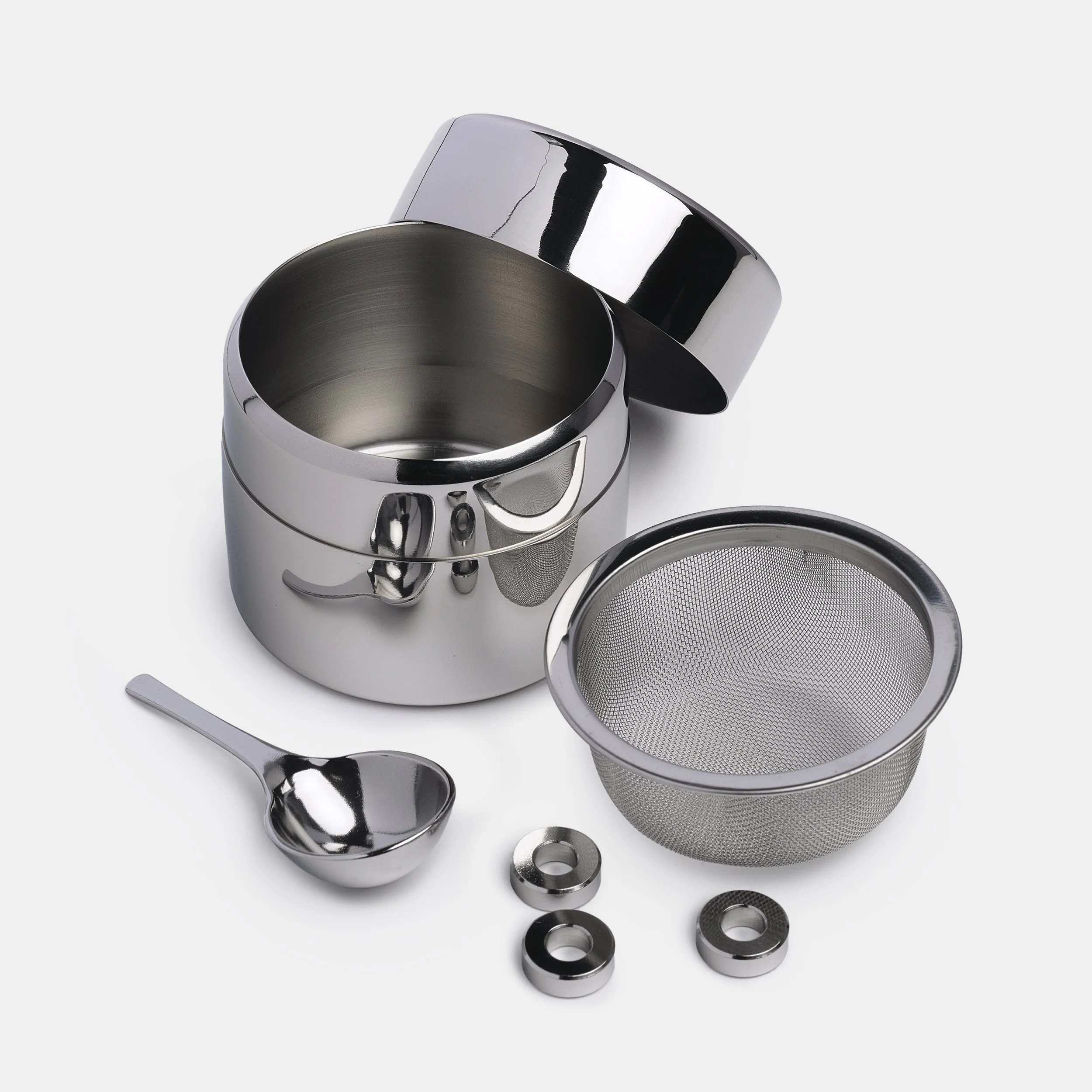
Kondoさん Matcha Sifter (近藤さんの抹茶篩缶)
$95.00
Shop now →
How this edition was made
Every weekday morning Matcha Wire scans about 40 Japanese sources — national and regional newspapers, government ministries, prefectural tea associations and trade journals — and scores each story for its relevance to the tea industry. This edition covers the five highest-ranked stories of the week just ended, one of them the week's most-read story on Matcha Wire. Figures are quoted as the outlet printed them: nothing is converted between units, nothing is converted between currencies, nothing is rescaled, averaged or estimated, and no number appears on this page that the source credited beside it did not report. Where a date here reads "reported on", it is the date the outlet published, not the date we compiled it. Matcha Wire is the compiler of these figures and never the source of one.
Compiled automatically by Matcha Wire from tracked Japanese sources, with no human editor in the loop. Every figure is credited to the outlet that reported it and checked against that outlet's own article. Corrections: hello@ooika.co.
Using these figures. The figures on this page are facts reported by the outlets credited beside them, and they are free to reuse. If Matcha Wire's compilation saved you the work, a link back is appreciated. The written analysis is ours; please don't republish it wholesale.
Matcha Wire is published by Ooika, in Kyoto, Japan. You can reach a person at hello@ooika.co.
Comments
Create a free account or sign in to join the conversation.
Be the first to comment.