
This week in numbers
Every figure exactly as the outlet printed it, credited to the outlet that reported it and compiled by Matcha Wire.- Annual matcha production capacity: 300t — reported by Yomiuri Shimbun Online on 9 October 2026. # ↓ the story
- Annual matcha production capacity: 300トン — reported by Minami-Nippon Shimbun on 7 October 2026. # ↓ the story
- Year Eisai brought tea seeds to Japan: 1191 — reported by Saga Shimbun on 11 October 2026. # ↓ the story
- U.S. matcha sales growth: 86% — reported by TBS NEWS DIG Powered by JNN on 8 October 2026. # ↓ the story
01 Kagoshima opens prefecture's largest matcha processing facility; 300 tonnes annual capacity, export-ready by November 2025

Annual matcha production capacity: 300t — reported by Yomiuri Shimbun Online on 9 October 2026.
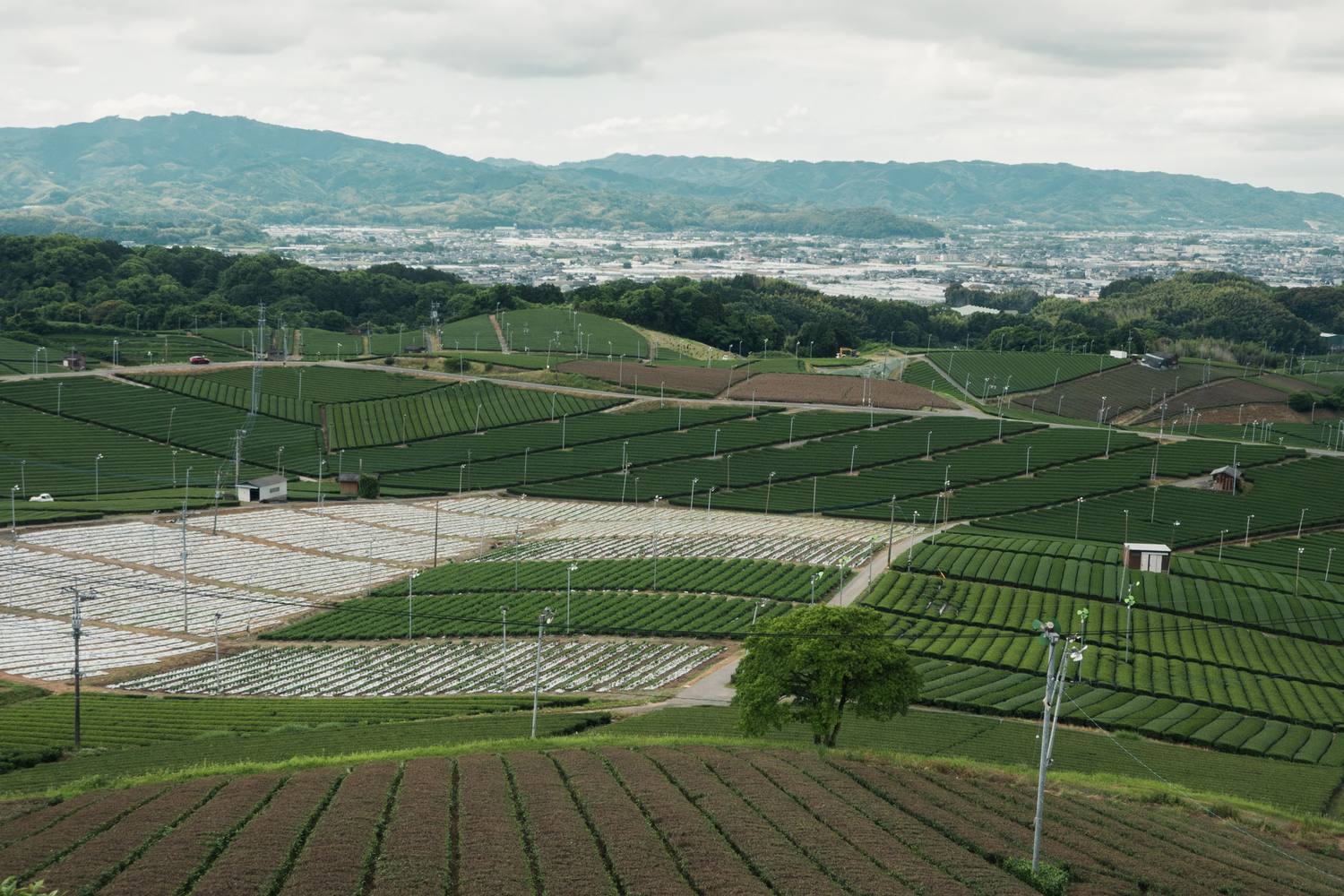
JA Kagoshima has broken ground on a 2,500-square-meter processing plant in Kagoshima City designed to turn out 300 tonnes of matcha a year, at a cost of roughly 2.6 billion yen, according to Yomiuri Shimbun Online. The outlet reports that most tencha grown in the prefecture is currently shipped elsewhere for processing, a bottleneck that has kept local profit margins thin. JA Kagoshima intends the new plant to let it sell finished matcha directly to overseas buyers rather than raw tencha, with national subsidies helping offset the build cost. Completion is targeted for November 2025. As the outlet quotes: 'Kagoshima is known as a raw-material origin. We want to take this through to finished-product stage and export matcha overseas.'
02 JA Kagoshima to Build 300-Ton Annual Matcha Plant; Sterilization Equipment First in Prefecture
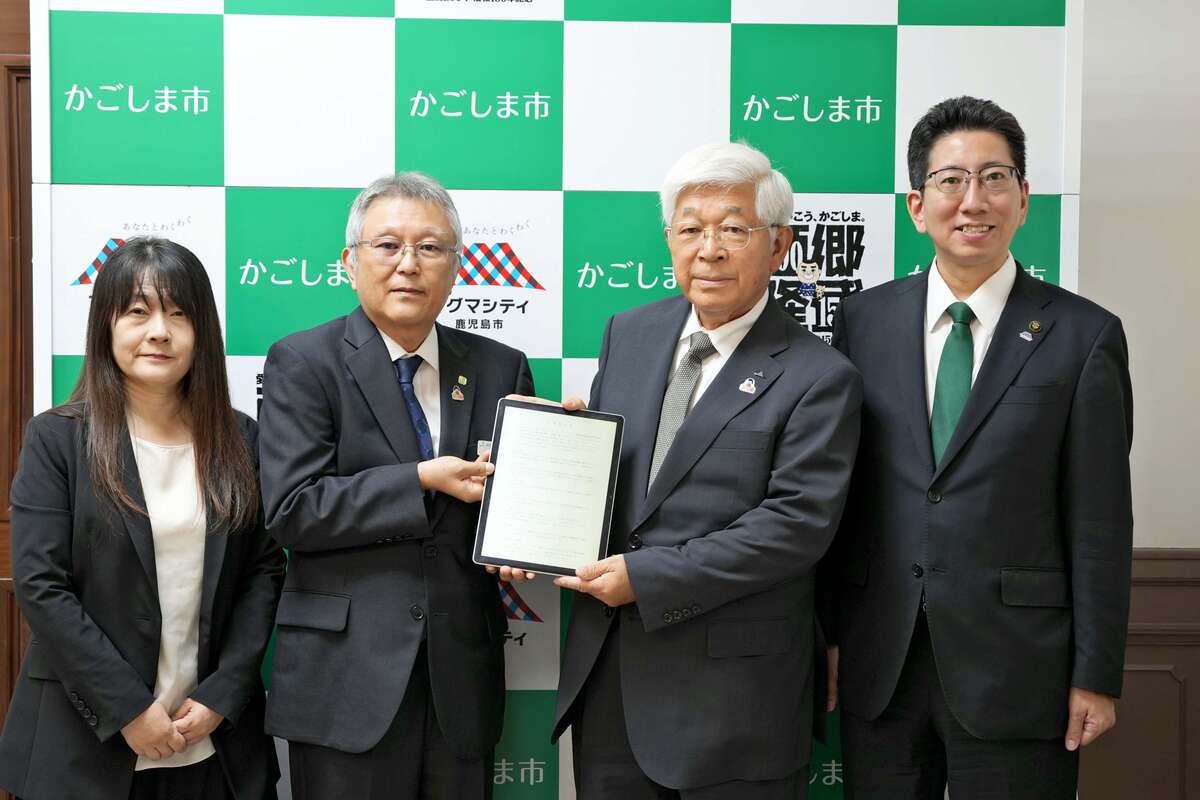
Annual matcha production capacity: 300トン — reported by Minami-Nippon Shimbun on 7 October 2026.
Minami-Nippon Shimbun reports that JA Kagoshima Economic Federation and JA Kagoshima Tea have signed a formal site agreement with Kagoshima City for what is described as the prefecture's largest matcha plant, also rated at 300 tons of annual capacity. Construction is set to begin October 8, 2026, with operations starting in December 2027. The paper notes the facility will house Kagoshima's first matcha sterilization equipment, a capability the prefecture currently lacks. The project is framed as a response to a global matcha boom and to tencha output that has been climbing sharply within the prefecture. Readers may notice the completion date here differs from the November 2025 target reported elsewhere for a similarly described JA Kagoshima project; Matcha Wire has not reconciled the two timelines and presents each outlet's reporting as given.
03 Eisai Zen Master Commemoration Tea Ceremony Honors Tea Patriarch's Legacy in Yoshinogari
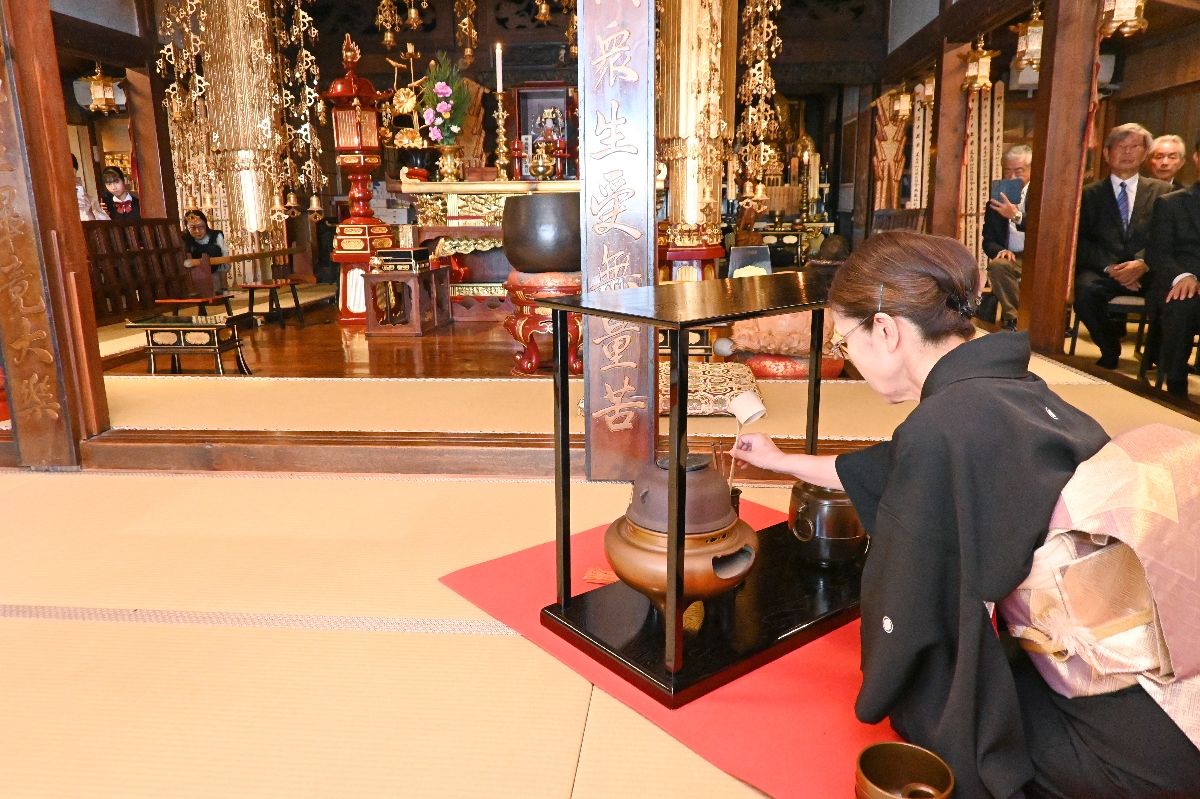
The third Eisai Zen Master ceremony drew over 150 guests marking tea's 1191 arrival in Japan — reported by Saga Shimbun on 11 October 2026.
Saga Shimbun reports that Shugakuin temple in Yoshinogari hosted its third Eisai Zen Master Commemoration Tea Ceremony on the 11th, drawing more than 150 guests. The event marks Eisai, the Rinzai Zen founder credited with carrying tea seeds from Song-dynasty China to Japan in 1191, establishing cultivation at Reisenji temple on Seiburi mountain. Guests at the offering ceremony were served Eisai matcha and sencha. Organizers used the occasion to position Yoshinogari as a global 'matcha holy land,' a framing the paper quotes directly: 'Yoshinogari town is recognized as the matcha holy land amid the global matcha boom.' A second quote in the report adds: 'We hope many people will visit the tea gardens and temple, and come to treasure tea.' The ceremony, launched in 2023, is now in its third year.
04 Meiji Discontinues Matcha Super Cup Ice Cream Due to Global Matcha Supply Shortage
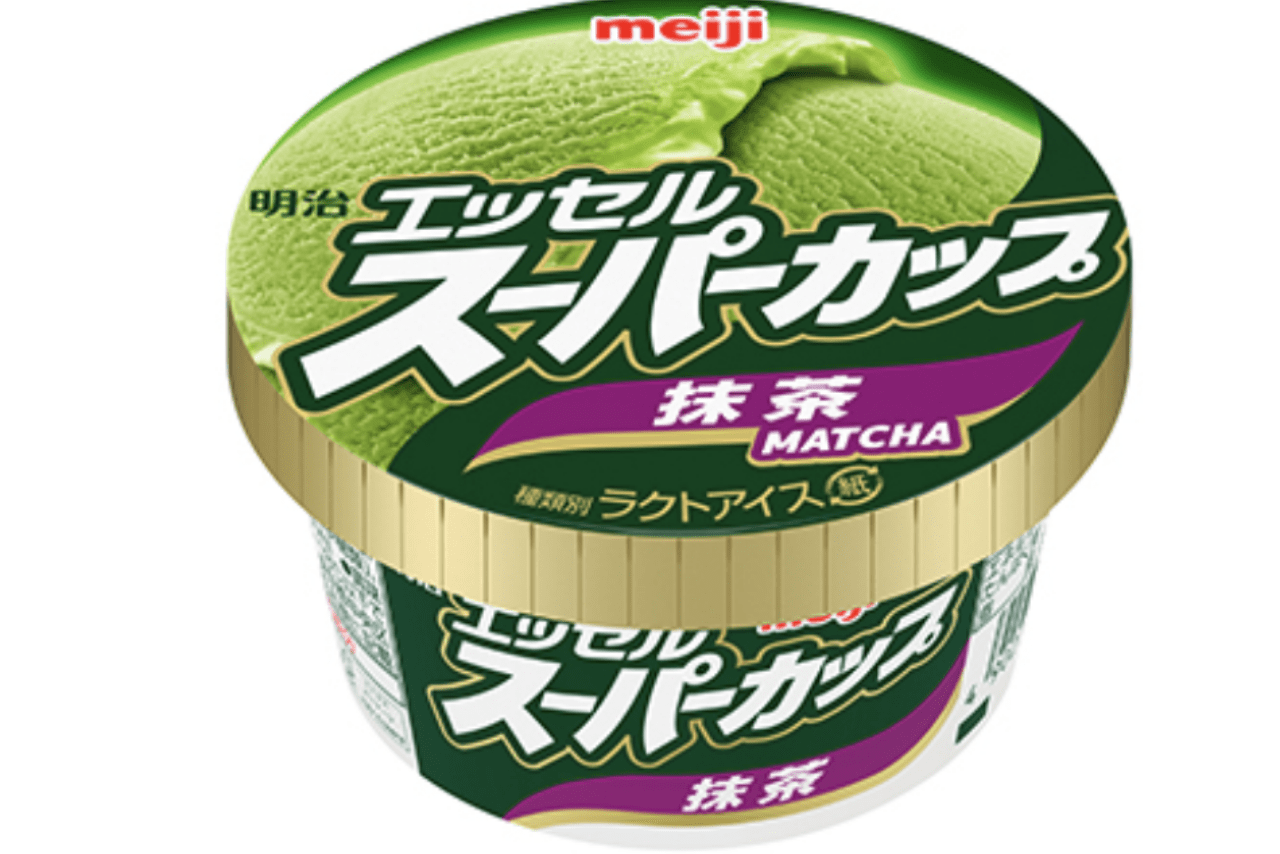
Meiji has discontinued its Super Cup matcha ice cream, according to reporting gathered by Google News, with the company settling on a February 2026 end date after initially listing August 2026 on its own website and later correcting the error. The report attributes the move to global demand for matcha raw material outstripping supply, pushing Meiji to protect stable production of its core product lines rather than stretch limited matcha stock across a wider range. The matcha flavor had been a standard fixture of the Super Cup lineup for years. Coming in the same week as fresh Kagoshima processing investment and reports of surging U.S. sales, the discontinuation reads as a concrete sign of the supply strain that expanding capacity is meant to address.
jprime.jp Original (Japanese) ↗ Read the full story →
05 U.S. matcha sales surge 86% in three years; Los Angeles sees more matcha shops than coffee outlets as Japanese-origin premiums spike, spurring switches to Chinese alternatives
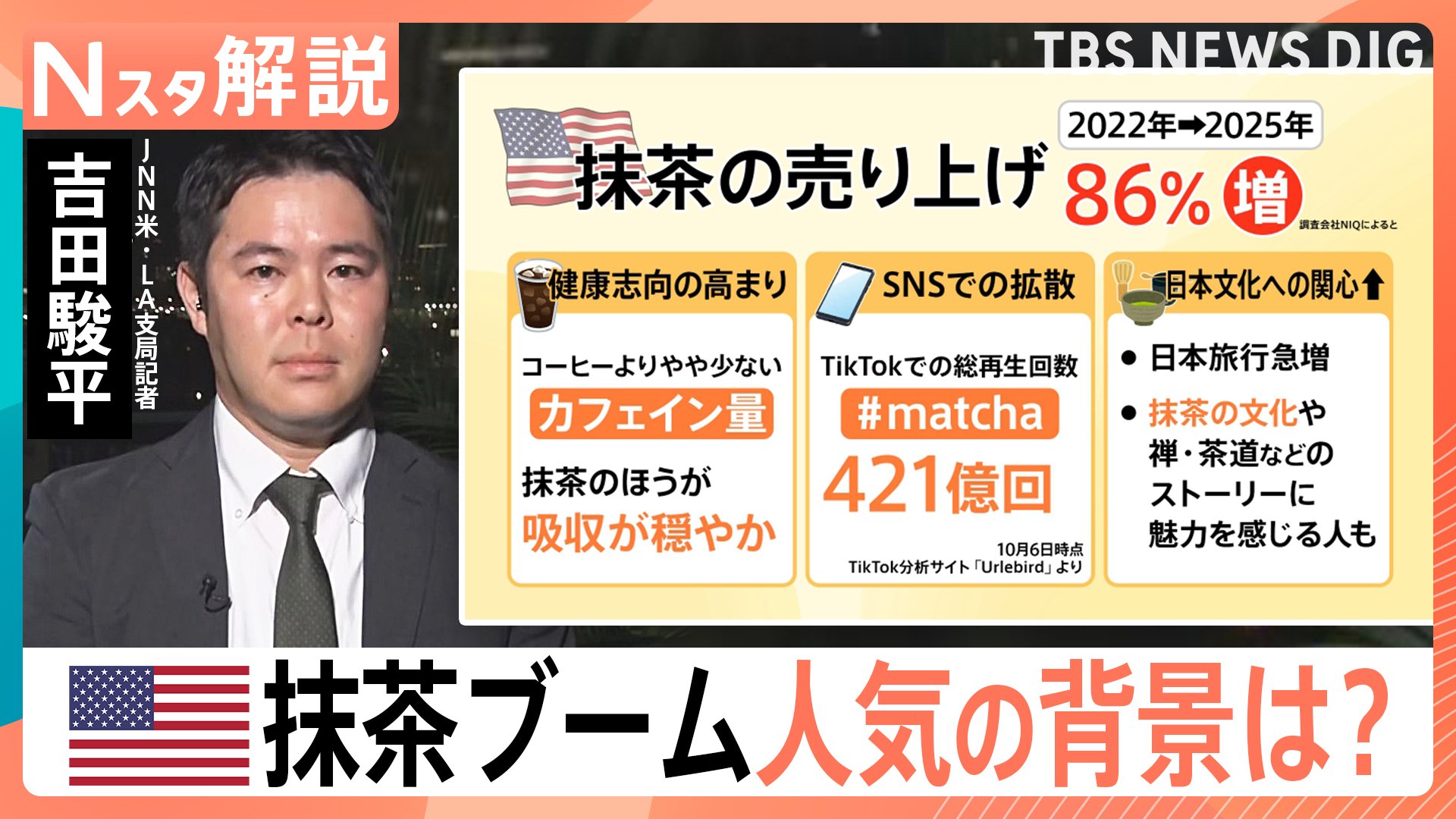
U.S. matcha sales rose 86% in three years, with the market forecast to hit $340 million by 2033 from $178.6 million in 2025 — reported by TBS NEWS DIG Powered by JNN on 8 October 2026.
TBS NEWS DIG reports that U.S. matcha sales climbed 86% between 2022 and 2025, a rise the outlet links to post-pandemic health consciousness, interest in Japanese culture and Zen philosophy, and a #matcha hashtag that has drawn 4.21 billion views on TikTok. The American market, valued at $178.6 million in 2025, is forecast to reach $340 million by 2033. In Los Angeles, the report finds matcha retailers now outnumbering coffee shops in some neighborhoods, with hour-long queues at peak times. Rising prices for Japanese-origin matcha are pushing some buyers toward Chinese-sourced alternatives, the outlet notes. As quoted in the piece: 'Among young consumers, matcha is taking root as a health-entertainment beverage.'
Between new plants in Kagoshima, a discontinued ice cream flavor in Japan, and queues outside Los Angeles matcha shops, this week's reporting traces a supply chain stretched in both directions at once.
 From the Ooika shop
Ooika Matcha Storage Jar
$10.00
Shop now →
From the Ooika shop
Ooika Matcha Storage Jar
$10.00
Shop now →
How this edition was made
Every weekday morning Matcha Wire scans about 40 Japanese sources — national and regional newspapers, government ministries, prefectural tea associations and trade journals — and scores each story for its relevance to the tea industry. This edition covers the five highest-ranked stories of the week just ended, one of them the week's most-read story on Matcha Wire. Figures are quoted as the outlet printed them: nothing is converted between units, nothing is converted between currencies, nothing is rescaled, averaged or estimated, and no number appears on this page that the source credited beside it did not report. Where a date here reads "reported on", it is the date the outlet published, not the date we compiled it. Matcha Wire is the compiler of these figures and never the source of one.
Compiled automatically by Matcha Wire from tracked Japanese sources, with no human editor in the loop. Every figure is credited to the outlet that reported it and checked against that outlet's own article. Corrections: hello@ooika.co.
Using these figures. The figures on this page are facts reported by the outlets credited beside them, and they are free to reuse. If Matcha Wire's compilation saved you the work, a link back is appreciated. The written analysis is ours; please don't republish it wholesale.
Matcha Wire is published by Ooika, in Kyoto, Japan. You can reach a person at hello@ooika.co.
Comments
Create a free account or sign in to join the conversation.
Be the first to comment.