
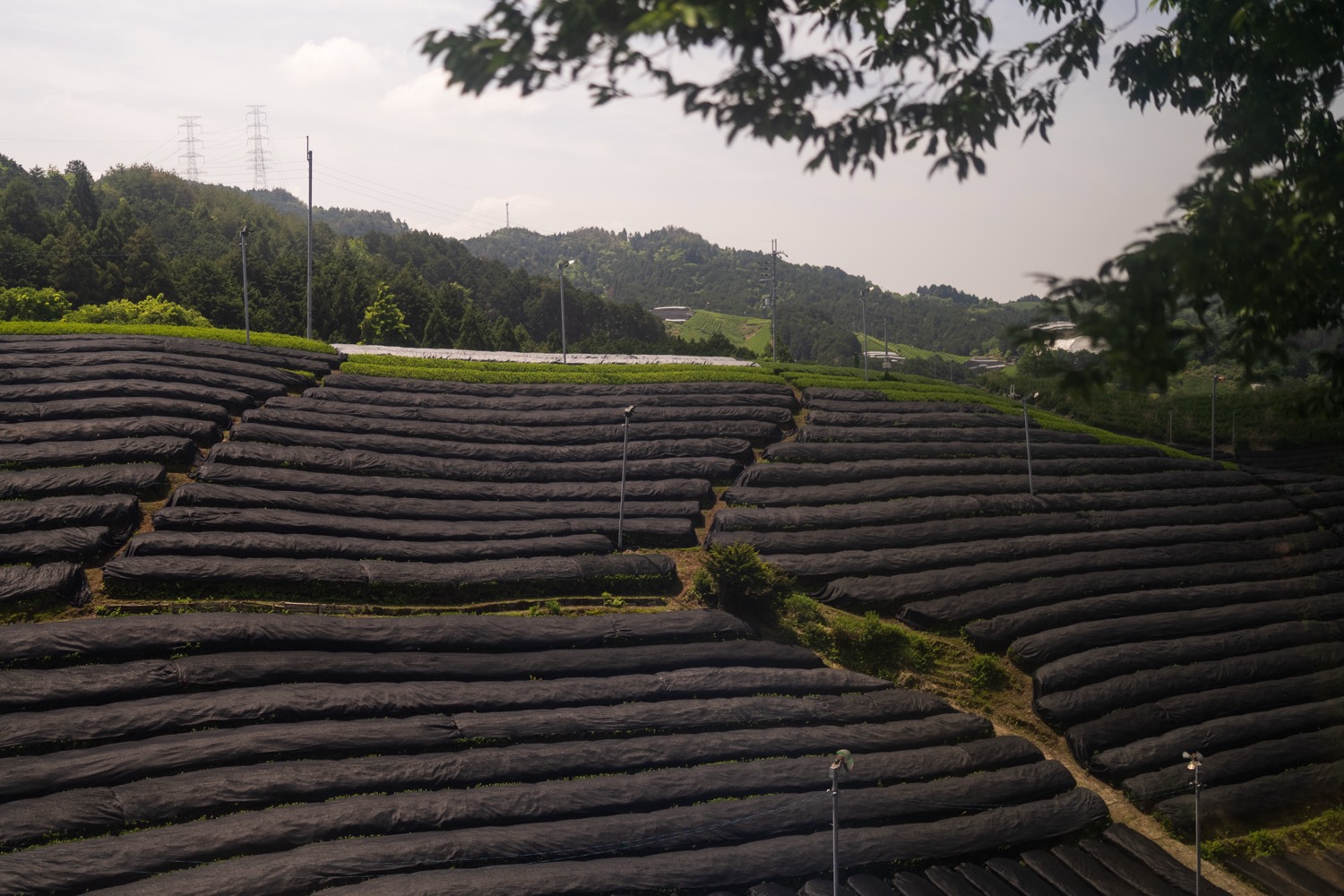
Every story this week traces back to one force: the matcha boom is reordering what counts as valuable in Japanese tea, and what gets left behind. In Ureshino, that showed up as a widening gap between a record grand prize and a falling price (Saga Shimbun). In Kagoshima, it showed up as a national production lead shadowed by China's dominant global market share, and as a push to recruit the next generation of farmers before tencha demand outpaces the workforce that can meet it (Google News, Minami-Nippon Shimbun).
This week in five numbers
Every figure exactly as the outlet printed it, credited to the outlet that reported it and compiled by Matcha Wire.- National Tea Competition auction entries: 647点 — reported by Saga Shimbun on 26 September 2026. # ↓ the story
- Auction opening date: October 30 — reported by Shizuoka Shimbun on 24 September 2026. # ↓ the story
- Tea cultivation area change: 3割近く減少 — reported by Nikkei on 24 September 2026. # ↓ the story
- China's global matcha share: 約7割 — reported by Nippon TV on 22 September 2026. # ↓ the story
- Tea factories, Minami-Kyushu: 91 — reported by Minami-Nippon Shimbun on 25 September 2026. # ↓ the story
Two more pieces frame the structural backdrop: Japan's tea-growing regions have shed close to 30% of their cultivated area over the past decade even as matcha offers a partial lifeline (Google News), and Shizuoka's tea market is opening its autumn-winter auction season four days later than usual, a small but telling sign of a season starting from weaker footing (Shizuoka Shimbun).
01 Steamed Jade Green Tea Averages ¥16,363/kg at National Tea Competition Auction in Ureshino
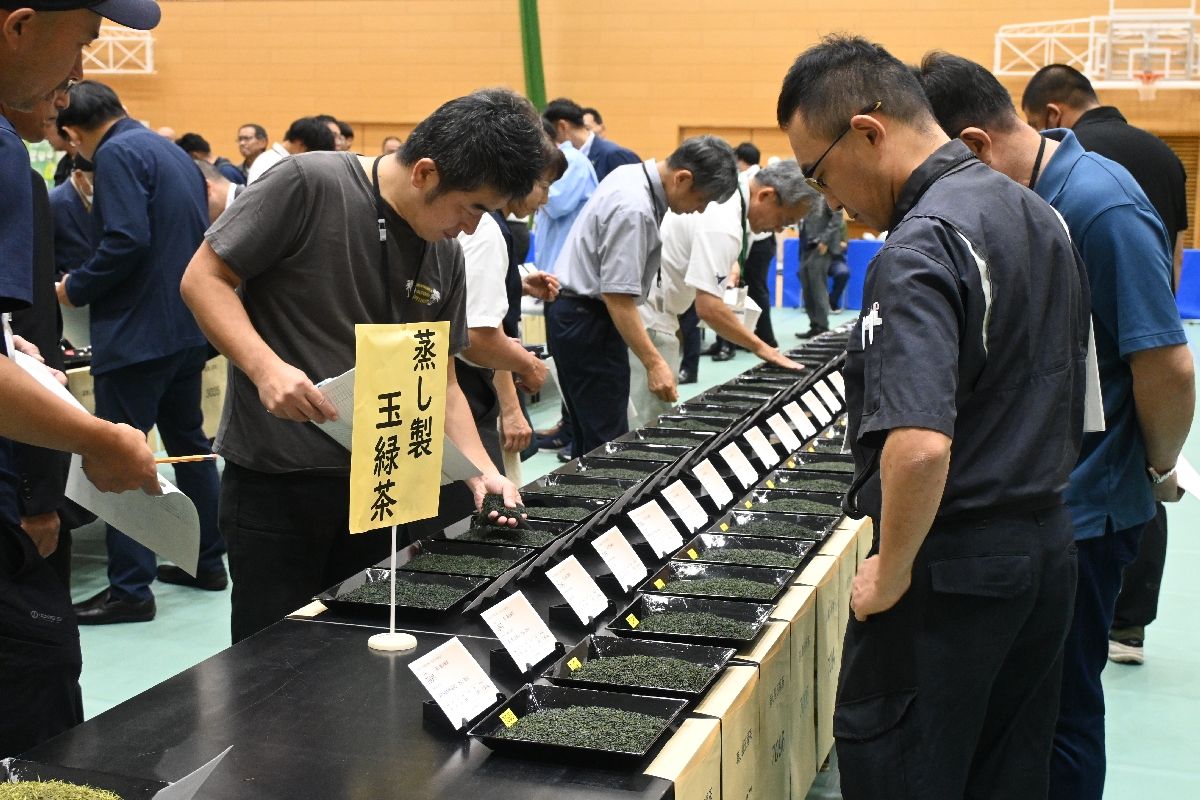
Ureshino's steamed jade green tea averaged ¥16,363/kg, down 20.4% even after winning a fourth straight grand prize — reported by Saga Shimbun on 26 September 2026.
Saga Shimbun reports the 80th National Tea Competition auction in Ureshino drew 134 buyers bidding on 647 entries from 18 prefectures, pushing the overall average price up 2.5% to ¥58,470/kg. Ureshino's own steamed jade green tea, though it captured a fourth consecutive grand prize, saw its average fall 20.4% to ¥16,363/kg, while roasted tea rose 0.8% to ¥22,479/kg. Tencha, the raw material for matcha, commanded the auction's top price at ¥239,112/kg. Ministry award winners posted even higher figures: Toshiguro Shirakawa's steamed jade sold for ¥438,888/kg and Yukiko Yoshimuta's roasted tea for ¥253,333/kg. A prefectural official told the paper that as sencha prices climb, buyers may be turning away from Ureshino's rarer jade green tea, adding that few people know about it and it is hard to find even in Tokyo, so more promotion is needed.
02 Shizuoka Tea Market to Begin Autumn-Winter Auction on 30th
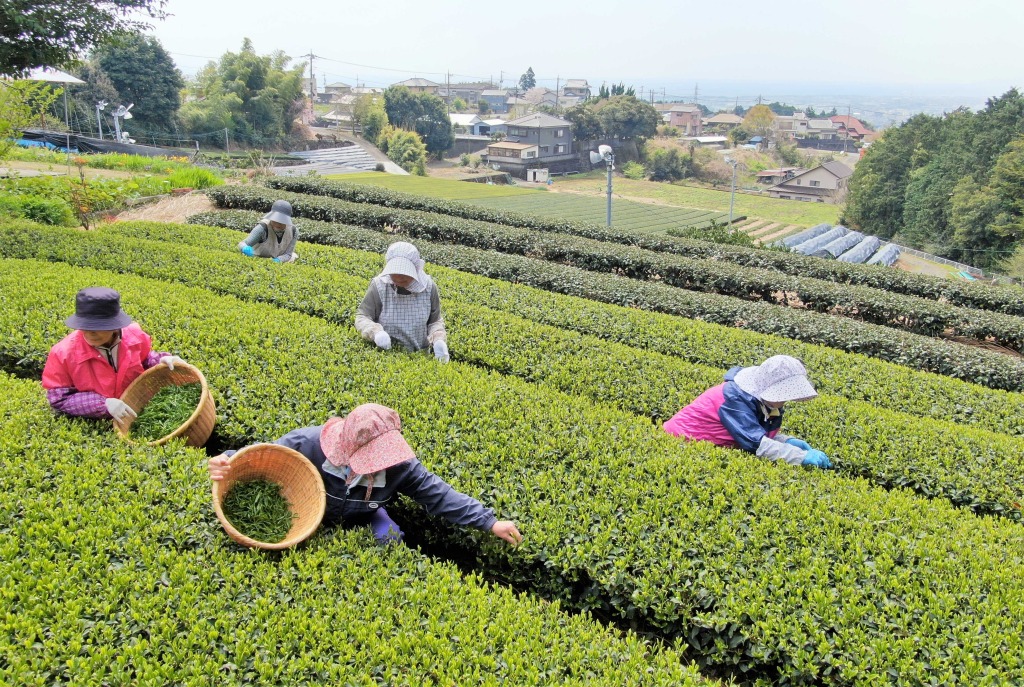
Auction opening date: October 30 — reported by Shizuoka Shimbun on 24 September 2026.
Shizuoka Shimbun reports the Shizuoka Tea Market will open its autumn-winter auction season on October 30, four days later than last year, with the eastern district shipping first. Domestic tea auctions begin at 8 a.m. and imported tea at 9 a.m., with sales running Mondays, Wednesdays and Fridays except for an October 12 closure, and private trading taking place on the days between. The paper links the later start to a September sunshine shortage that has affected the crop. For buyers and processors who plan around Shizuoka's calendar, the delayed opening signals a season starting from a weaker weather base than the year before, even before the first lots reach the floor.
03 Japan's tea cultivation area down nearly 30% in a decade as matcha boom offers a lifeline
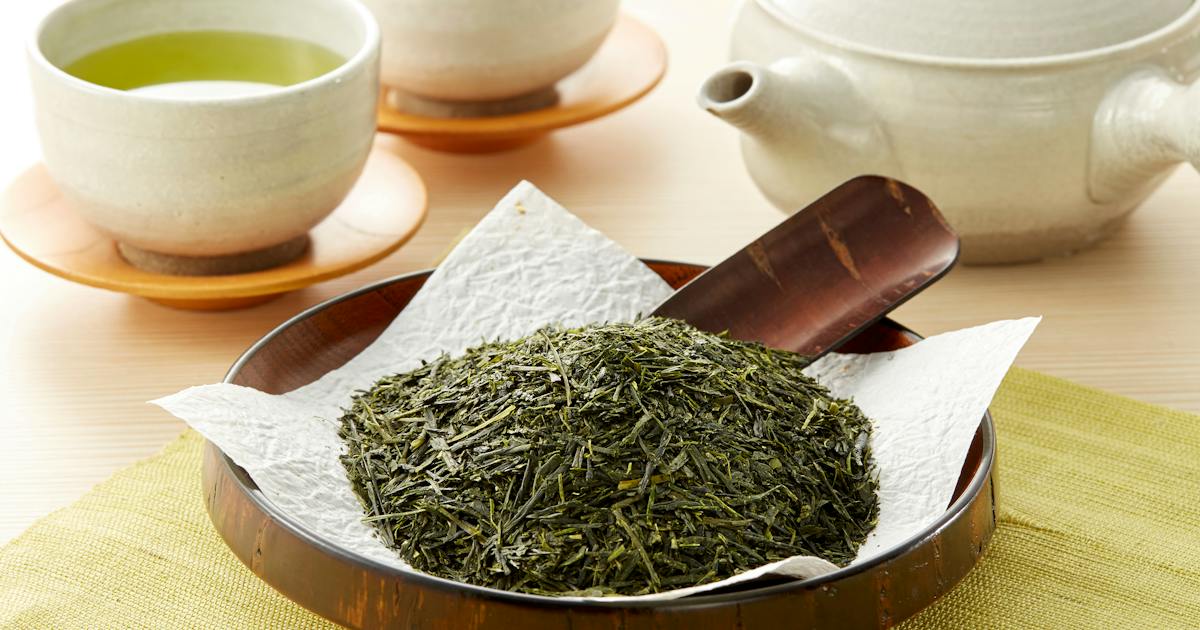
Japan's core tea-growing regions have lost nearly 30% of cultivated area since 2015, even as matcha demand offers a partial lifeline — reported by Nikkei on 24 September 2026.
An article carried by Google News finds that Japan's principal tea-growing regions have lost nearly 30% of their cultivated area over the past decade, comparing 2015 with 2025. The piece points to the matcha boom as the one countervailing force, with growers in Kagoshima and elsewhere converting sencha fields to meet rising demand for the ground tea. Industry figures quoted in the report argue that the sector's best chance of clawing back lost ground lies in coordinated marketing abroad, presenting Japanese tea's regional diversity and heritage as a unified pitch to international buyers, rather than leaving individual producing areas to compete separately for the same shrinking pool of buyers at home.
04 Matcha boom masks global competition: China holds 70% of world market share as Kagoshima tea industry eyes the next era
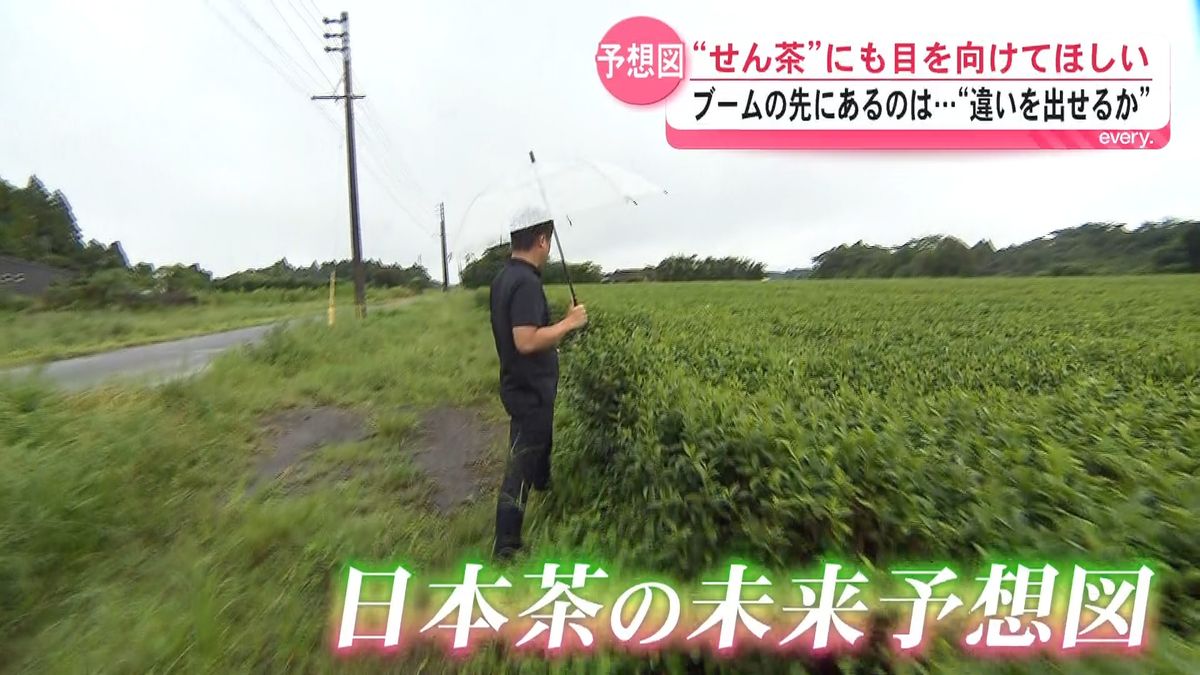
Kagoshima has led Japan's tea production for two straight years, yet Chinese matcha now holds roughly 70% of the global market — reported by Nippon TV on 22 September 2026.
Kagoshima has topped Japan's tea production rankings for two consecutive years, riding the global matcha wave, according to a report carried by Google News. But the same piece notes that Chinese matcha now accounts for roughly 70% of world supply, with Vietnam also entering production, squeezing the space available to Japanese exporters. Horiguchi Seicha, a tencha processor in Shibushi that ships to 13 countries and upgraded its facility before matcha's mainstream breakthrough, is cited as a case study in how producers are responding, exploring powdered tea formats and new uses for sencha to stand apart. The report quotes an industry view that it is crucial to enhance the value of Japanese tea as overseas competition intensifies.
05 Shizuoka Seeks Tea Farmers and Craftspeople to Carry Shizuoka Tea into the Next Generation
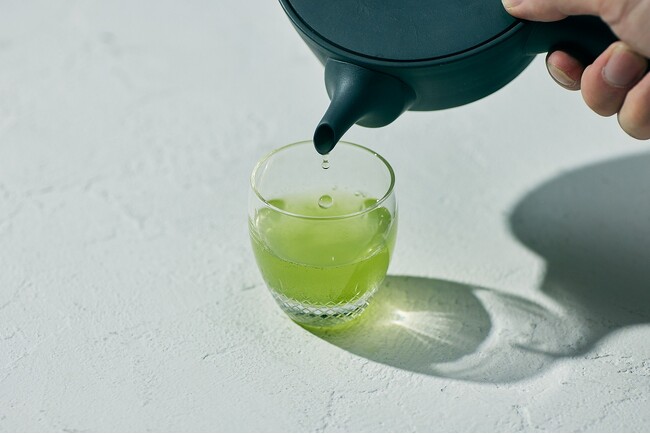
Minami-Kyushu City, Kagoshima is recruiting new farmers as its 476 farms and 91 factories face succession shortfalls amid a tencha demand surge — reported by Minami-Nippon Shimbun on 25 September 2026.
Minami-Nippon Shimbun reports that Minami-Kyushu City in Kagoshima, Japan's largest raw-tea producing district and a five-time winner of regional honors at the National Tea Competition, is recruiting regional revitalization corps members to work as tea farmers and craftspeople. The district counts 476 tea farms and 91 processing factories, but aging producers and a shortage of successors threaten to break the chain of knowledge behind its tea. The matcha boom has pushed tencha demand sharply higher, prompting factories to expand their facilities, the paper notes. One source quoted says that as producer aging and successor shortfalls worsen, simply making good tea is no longer enough to carry the terroir's heritage forward, and that an unprecedented matcha boom has driven tencha demand to spike, spurring facility infrastructure upgrades.
Taken together, the week's reporting suggests an industry in the middle of a trade: shrinking acreage and an aging workforce for a narrower but more lucrative matcha-led export story, with the outcome still depending on who tells Japanese tea's story abroad, and how fast.
 From the Ooika shop
Chikueido Takayama Chasen (80 Tines 八十本立)
$45.00
Shop now →
From the Ooika shop
Chikueido Takayama Chasen (80 Tines 八十本立)
$45.00
Shop now →
How this edition was made
Every weekday morning Matcha Wire scans about 40 Japanese sources — national and regional newspapers, government ministries, prefectural tea associations and trade journals — and scores each story for its relevance to the tea industry. This edition covers the five highest-ranked stories of the week just ended, one of them the week's most-read story on Matcha Wire. Figures are quoted as the outlet printed them: nothing is converted between units, nothing is converted between currencies, nothing is rescaled, averaged or estimated, and no number appears on this page that the source credited beside it did not report. Where a date here reads "reported on", it is the date the outlet published, not the date we compiled it. Matcha Wire is the compiler of these figures and never the source of one.
Compiled automatically by Matcha Wire from tracked Japanese sources, with no human editor in the loop. Every figure is credited to the outlet that reported it and checked against that outlet's own article. Corrections: hello@ooika.co.
Using these figures. The figures on this page are facts reported by the outlets credited beside them, and they are free to reuse. If Matcha Wire's compilation saved you the work, a link back is appreciated. The written analysis is ours; please don't republish it wholesale.
Matcha Wire is published by Ooika, in Kyoto, Japan. You can reach a person at hello@ooika.co.
Comments
Create a free account or sign in to join the conversation.
Be the first to comment.