
News article
Shizuoka reclaims first-flush production lead after two years as matcha shift accelerates amid global demand
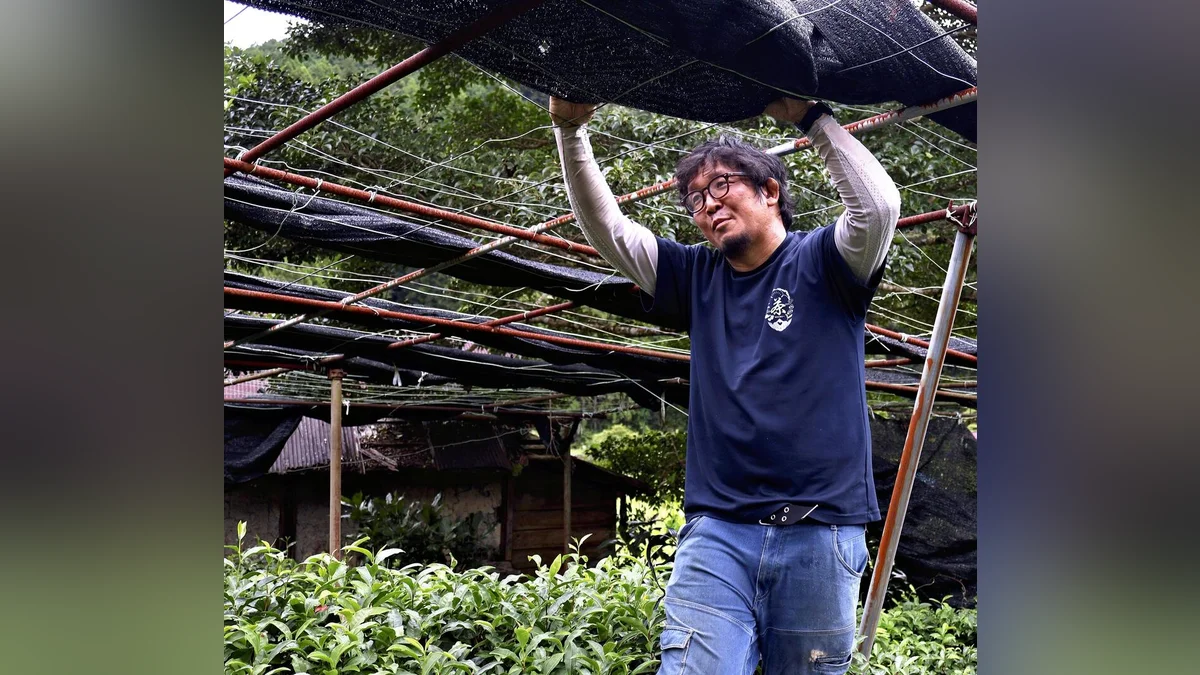
Shizuoka Prefecture regained the top ranking in first-flush tea (荒茶) production this year for the first time in two years, according to MAFF crop statistics. The turnaround reflects a broad shift from sencha to tencha—the leaf used to produce matcha—driven by expanding domestic and overseas matcha demand. Growers including a 73-year-old farmer near Shizuoka City are reducing sencha acreage and expanding tencha cultivation to stabilize income.
茶どころ静岡、一番茶生産量2年ぶり首位奪還…抹茶ブームで生産転換・海外需要増え供給追いつかず - 読売新聞
Key points
- Shizuoka reclaimed #1 ranking in first-flush production after losing ground to Kagoshima for two consecutive years.
- Producers are shifting planted area from sencha to tencha as matcha demand grows both domestically and internationally.
- Global matcha boom is driving supply constraints; growers cite tencha as essential to income stability.
- Individual farmer example: reducing sencha from 180 ares to 120 ares; expanding tencha from 25 to 85 ares.
Read the full article at the source ↗
You're reading the free briefing — upgrade to unlock every story and read any full article in English, one click.
About this article
The numbers
Farmer's total tea field area: 約205アール
Previous sencha cultivation area: 180アール
Previous tencha cultivation area: 25アール
New sencha cultivation area: 120アール
What they said
“Tencha has become essential to stable income.”
今やてん茶は収入の安定に欠かせない
Unlock every story on Matcha Wire.
All articles open, plus read any full article in English in
one click — $75/mo, cancel anytime.
See what you get →
Comments
Create a free account or sign in to join the conversation.
Be the first to comment.