

Three of this week's five stories turn on the same problem: how to keep Japanese tea flowing to a world that wants more of it while the domestic base that grows it keeps shrinking. Suzuyo Shoji's investment in Blue Farm (stories 1611 and 1612) and the government's new geographic-indication status for Japanese tea (1617) are all, in different ways, attempts to protect supply and reputation against rising overseas demand and foreign competition.
This week in numbers
Every figure exactly as the outlet printed it, credited to the outlet that reported it and compiled by Matcha Wire.- Blue Farm Series A funding: 3億5000万円 — reported by logi-today.com on 11 September 2026. # ↓ the story
- Competition edition: 73rd — reported by The Japan Food Journal on 10 September 2026. # ↓ the story
- Municipalities represented: 17 — reported by MBC Minami-Nippon Broadcasting on 9 September 2026. # ↓ the story
The other two stories show why that demand exists in the first place. Kyoto's win at the national tea-tasting competition (1604) and Kagoshima's strong first-flush results with rising overseas inquiry (1596) are reminders that the quality driving export growth is still made, and judged, by hand.
01 Suzuyo Shoji invests in matcha supply-chain venture to expand stable sourcing
Blue Farm raised 350 million yen in Series A funding to expand acreage, production and export logistics — reported by logi-today.com on 11 September 2026.
Suzuyo Shoji, a Shizuoka logistics and trading house, has taken a stake in Blue Farm, the startup behind MatchaaS, a service that locks in tea-field acreage under multi-year contracts to guarantee volume and price for corporate buyers, Google News reports. Blue Farm raised 350 million yen in Series A funding, which it says will go toward expanding tea acreage, production capacity and export infrastructure. The outlet reports overseas matcha demand keeps climbing even as tencha prices rise and bulk procurement grows harder, while domestic tea districts contend with aging growers, labor shortages and unclear succession plans. One passage describes the model directly: Blue Farm secures tea fields scaled to each customer's annual volume and manages cultivation, harvest, processing and quality control end-to-end, using field-by-field long-term contracts to stabilize both supply and price.
02 Suzuyo Shoji invests in Blue Farm's matcha business, provides logistics support
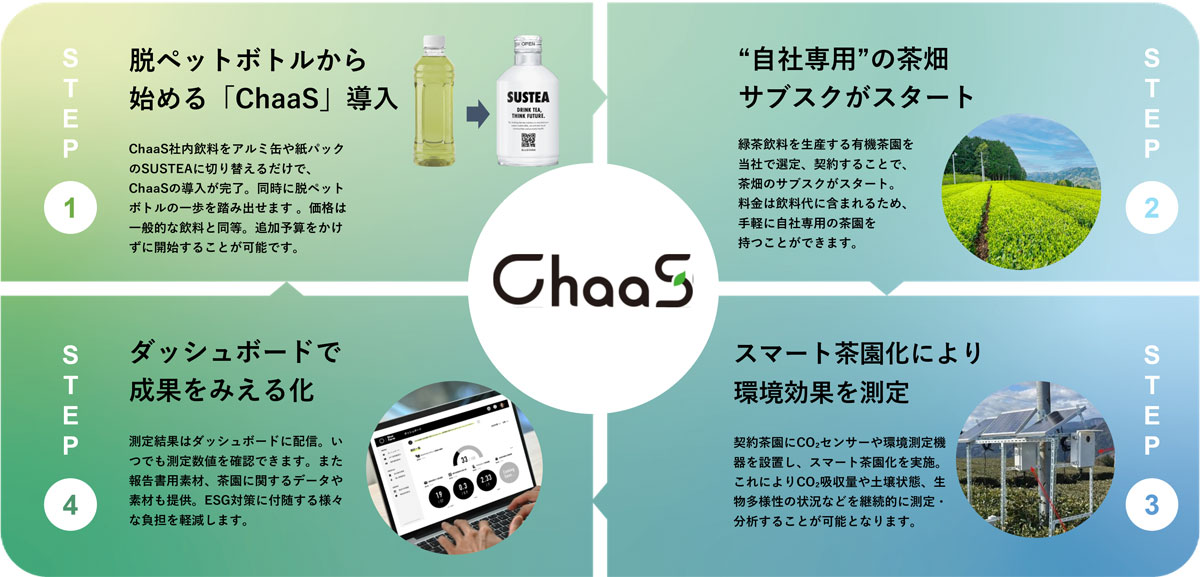
A separate Google News account of the same deal frames Suzuyo Shoji's move as an entry into matcha supply through Blue Farm's MatchaaS platform, built on organic JAS-certified tea fields. Blue Farm, founded in 2021 and based in Hamamatsu, also runs ChaaS, a subscription service for organic tea beverages, and works to connect mountainous tea farms with corporate clients under an ESG and sustainability framing. The report says overseas matcha demand is expanding while domestic supply remains structurally short because of producer aging and a lack of successors. Suzuyo is expected to bring its sales network and logistics infrastructure into the venture. As the outlet puts it: matcha demand is expanding in overseas markets, while supply faces chronic shortage due to producer aging and lack of successors.
03 Kyoto Tea Youth Union Takes Team Title at 73rd National Tea Tasting Competition

Kyoto's Tea Industry Union Youth Division won the team title among 120 merchants from 12 regions — reported by The Japan Food Journal on 10 September 2026.
Google News's Uji/Kyoto desk reports that the Kyoto Tea Industry Union Youth Division won the team title at the 73rd National Tea Tasting Technology Competition, held September 5 at the Shizuoka Tea Market. The contest drew 120 young tea merchants from 12 regions nationwide to test evaluation and tasting skills against each other. Kyoto's Uji-based entrants credited their lineup for the result, telling the outlet: we fielded the finest members from Uji and as a result achieved the championship. The win reinforces Uji's standing in tasting and grading expertise at a moment when the wider trade is focused on supply security and pricing pressure elsewhere in the country, according to the report.
04 Japan Tea Granted Geographic Indication Status to Differentiate from Foreign Products
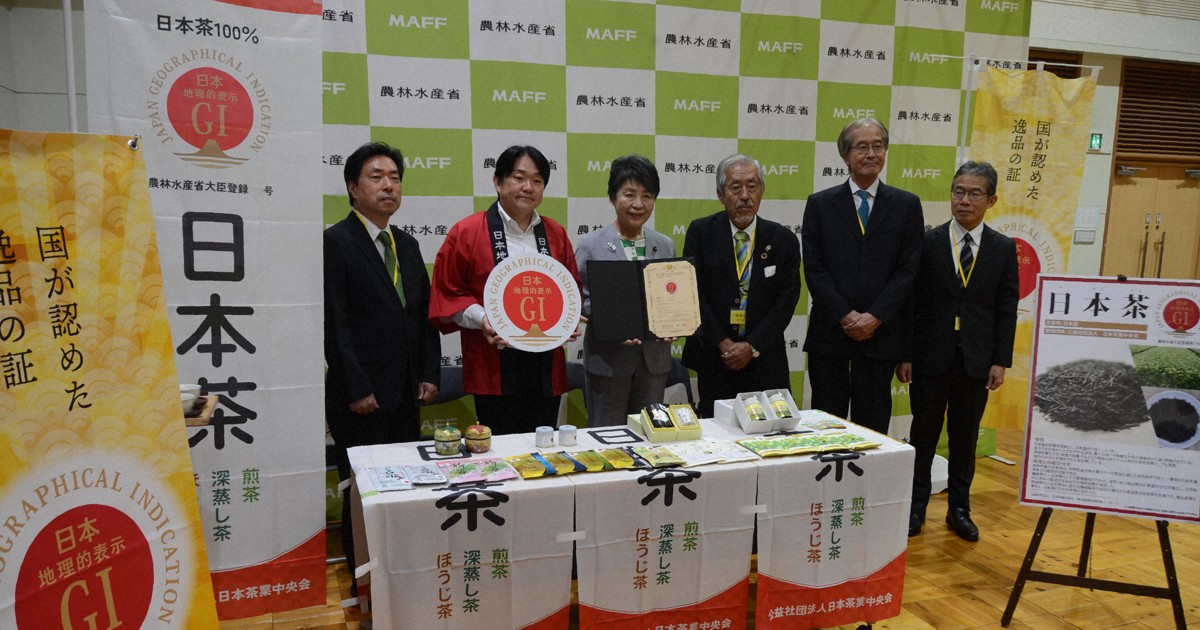
The Ministry of Agriculture, Forestry and Fisheries registered Japanese tea as a geographic indication on July 10, giving it protected regional-brand status, Google News reports. The outlet links the move to matcha-led export growth and rising competition from Chinese and other foreign tea in overseas markets, plus concern about counterfeit goods sold abroad under the Japanese tea name. As the report frames it: as matcha-led exports and global consumption of Japanese tea expand, overseas markets face intensifying competition from Chinese and other foreign tea. Stakeholders are described as viewing the listing as a way to protect quality and brand value, differentiate genuine Japanese tea from imitations, and raise its international recognition, in the outlet's words, through GI registration.
Mainichi Shimbun Original (Japanese) ↗ Read the full story →
05 High-Quality First Flush Tea: Kagoshima Competition Draws Increasing Overseas Inquiry

Kagoshima judged 202 first-flush entries from 17 municipalities, with yabukita making up nine in ten samples — reported by MBC Minami-Nippon Broadcasting on 9 September 2026.
MBC South Japan Broadcasting reports that Kagoshima's annual first-flush competition, held April 9, judged 202 entries from 17 municipalities, with the yabukita cultivar accounting for nine in ten of them. Assessors found the 2024 crop free of late-frost damage, with deep green color and a glossy finish, and praised the processing behind it, telling the broadcaster: producers' processing techniques are excellent; there are many high-level teas. MBC says inquiries from overseas buyers, including in Western Europe and Laos, have been rising, which it attributes to Japan's long tea history and reputation for quality: overseas inquiry is rising; behind that are Japan's long history and quality. Kagoshima remains Japan's top raw-tea producing prefecture for a second straight year, the report notes.
Taken together, this week's reporting shows an industry working two fronts at once: locking down supply through capital and long-term contracts, and locking down reputation through legal protection and competitive proof of skill. Whether either effort keeps pace with overseas demand is the question carrying into the next buying season.
 From the Ooika shop
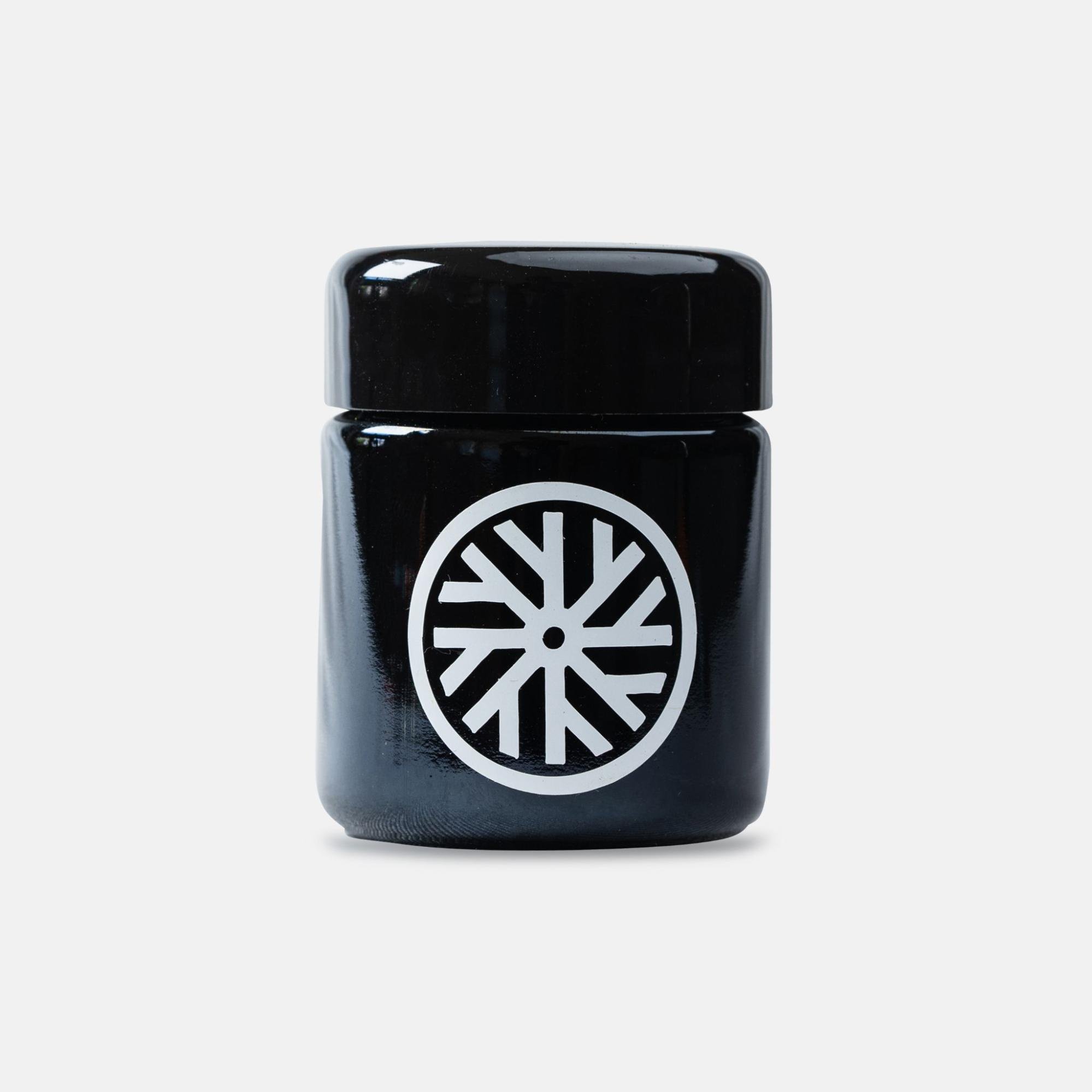
Ooika Matcha Storage Jar
$10.00
Shop now →
From the Ooika shop
Ooika Matcha Storage Jar
$10.00
Shop now →
How this edition was made
Every weekday morning Matcha Wire scans about 40 Japanese sources — national and regional newspapers, government ministries, prefectural tea associations and trade journals — and scores each story for its relevance to the tea industry. This edition covers the five highest-ranked stories of the week just ended, one of them the week's most-read story on Matcha Wire. Figures are quoted as the outlet printed them: nothing is converted between units, nothing is converted between currencies, nothing is rescaled, averaged or estimated, and no number appears on this page that the source credited beside it did not report. Where a date here reads "reported on", it is the date the outlet published, not the date we compiled it. Matcha Wire is the compiler of these figures and never the source of one.
Compiled automatically by Matcha Wire from tracked Japanese sources, with no human editor in the loop. Every figure is credited to the outlet that reported it and checked against that outlet's own article. Corrections: hello@ooika.co.
Using these figures. The figures on this page are facts reported by the outlets credited beside them, and they are free to reuse. If Matcha Wire's compilation saved you the work, a link back is appreciated. The written analysis is ours; please don't republish it wholesale.
Matcha Wire is published by Ooika, in Kyoto, Japan. You can reach a person at hello@ooika.co.
Comments
Create a free account or sign in to join the conversation.
Be the first to comment.