
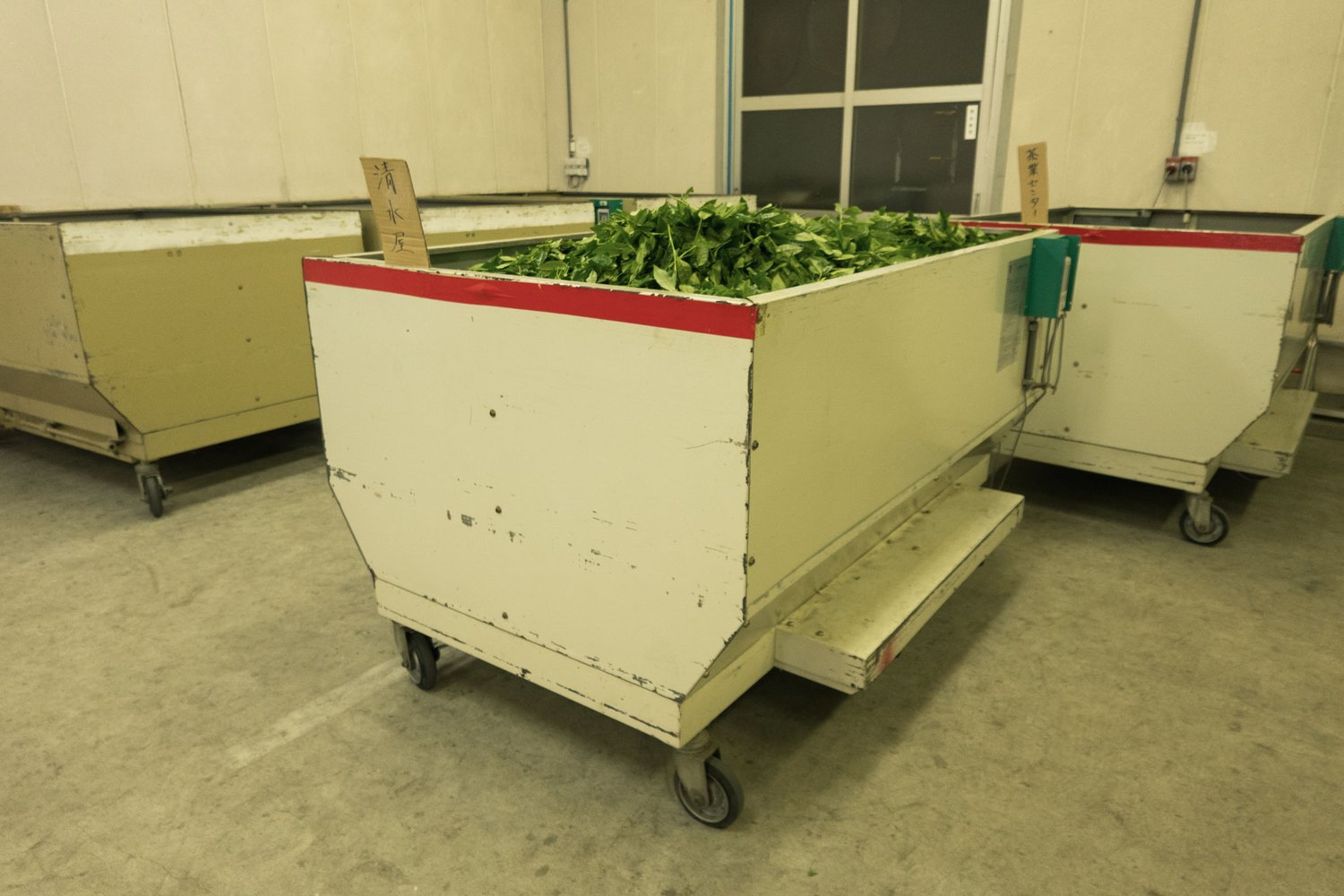
This week's five stories split into two currents running through the same industry. National competition results from Ureshino and Yame (stories 1531 and 1507) show the traditional judging system still rewarding decades of consistency in steamed, pan-fired and gyokuro tea. At the same time, the matcha boom is rewriting the economics underneath that tradition: tencha prices in story 1542 and Miyazaki's export figures in story 1504 both trace back to the same global matcha demand.
This week in numbers
Every figure exactly as the outlet printed it, credited to the outlet that reported it and compiled by Matcha Wire.- National Tea Competition edition: 80th — reported by Yomiuri Shimbun Online on 2 September 2026. # ↓ the story
- consecutive Minister's Awards for Yame gyokuro producers: 4 — reported by nishinippon.co.jp on 1 September 2026. # ↓ the story
- Share of Shizuoka tea gardens growing heritage tea: 1% — reported by Shizuoka Shimbun on 6 September 2026. # ↓ the story
- Consecutive years of record exports: 14 — reported by Yomiuri Shimbun Online on 1 September 2026. # ↓ the story
Story 1551, on Shizuoka University students trying to keep zairai-cha heritage tea alive at 1% of the prefecture's gardens, sits between the two currents — a reminder that both competition wins and export booms rest on a shrinking base of varietal diversity that nobody is required to preserve.
01 Ureshino wins four consecutive championships at National Tea Competition in steamed ball-rolled and pan-fired categories

Ureshino producers swept both top categories for a fourth straight year at the 80th National Tea Competition — reported by Yomiuri Shimbun Online on 2 September 2026.
The Yomiuri Shimbun Online reports that at the 80th National Tea Competition, held in Ureshino, Saga Prefecture in late August, two local producers took the Ministry of Agriculture, Forestry and Fisheries Award, the contest's top honor. Minoru Shirakawa won in the steamed ball-rolled category with tea grown in the Fudouyama district, the birthplace of Ureshino tea; Yukiko Yoshimuta took the pan-fired award after extending the shade-cover period on her plants to deepen leaf color and umami. Ureshino also picked up regional prizes in both categories, giving the area its fourth consecutive year sweeping both crowns. The competition drew 814 entries spanning seven tea types across eight divisions nationwide, underscoring how concentrated Ureshino's dominance has become within a large national field.
02 Yame Tea Claims Four Consecutive Minister's Awards in Gyokuro Category at National Tea Competition; Yame District Extends Winning Streak to 26 Years
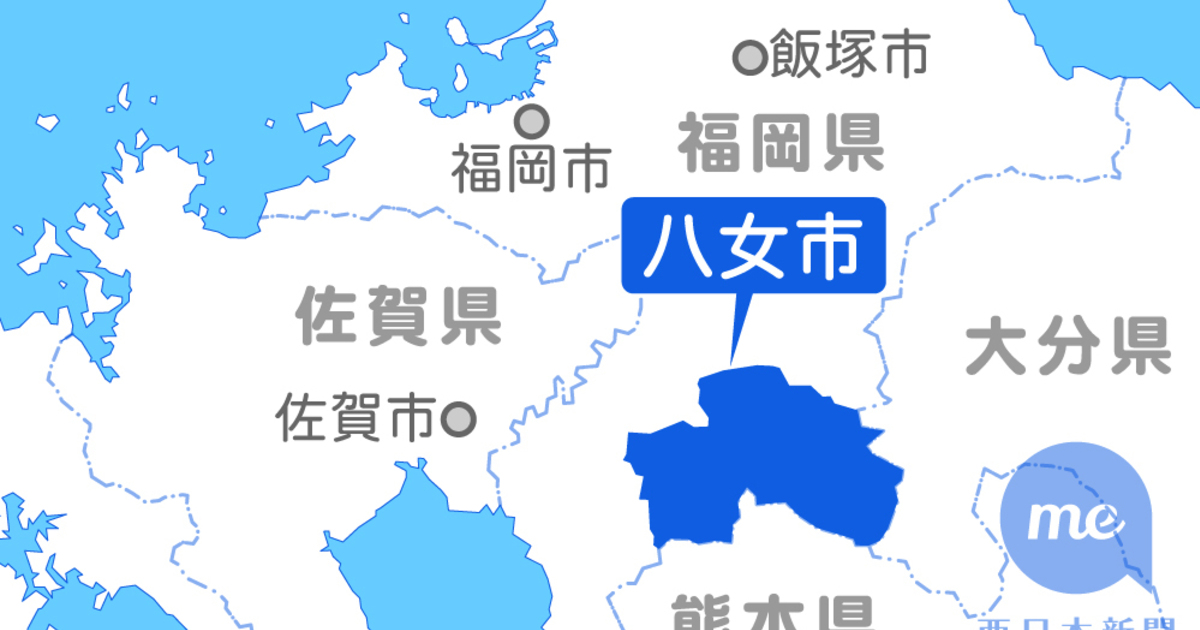
Yame's gyokuro producers won the Minister's Award for a fourth consecutive year, extending the district's streak to 26 years — reported by nishinippon.co.jp on 1 September 2026.
Reporting aggregated by Google News under harvest and market coverage says Sachiko Miyahara, 77, a grower in Yame's Hoshino village, received the Minister's Award in the gyokuro category at the National Tea Competition, held August 25-28 in Saga Prefecture. It is the fourth straight year a Yame producer has taken the top gyokuro prize, and the district itself has now won the category's regional award for 26 consecutive years. The outlet frames the run as confirmation of Yame's standing as Japan's benchmark region for shade-grown gyokuro, a status built over decades rather than a single strong harvest. No other district figures in the report, leaving Yame's streak as the defining data point from this year's gyokuro judging.
03 Heritage tea comprises just 1% of Shizuoka production; Shizuoka University students champion rare variety's unique character at summit
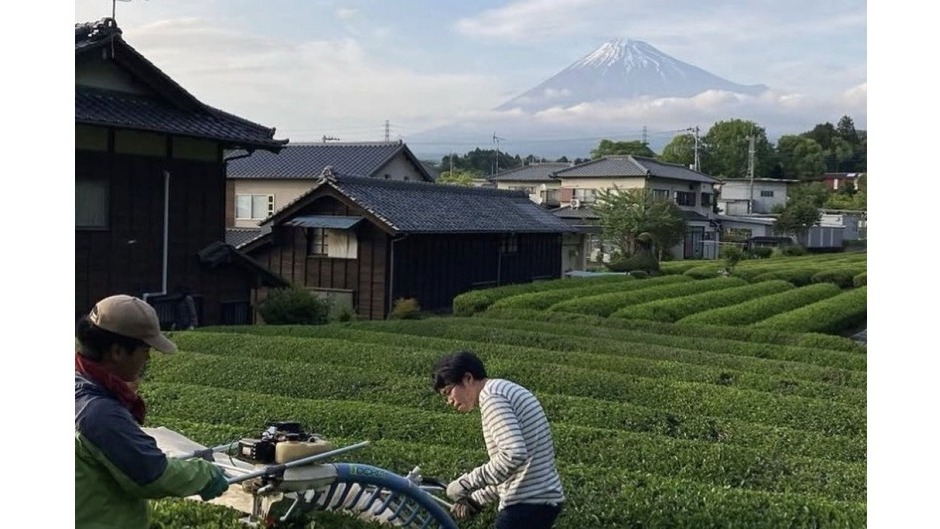
Heritage zairai-cha now covers just 1% of Shizuoka's tea gardens, prompting a university-led revival effort — reported by Shizuoka Shimbun on 6 September 2026.
The Shizuoka Shimbun reports that students in Shizuoka University's tea circle are trying to revive interest in zairai-cha, heritage tea grown from seed rather than cloned cultivars, which now makes up just 1% of the prefecture's tea gardens. Because each plant grows slightly differently, the paper notes, zairai-cha produces a distinctive aroma and flavor that standardized modern varieties do not replicate. The students are studying production methods and building ties with heritage-tea growers in other prefectures, work that will culminate in a heritage tea summit on the 22nd in Fuji City. The effort, as described, is less about competing with mainstream sencha or matcha production than about documenting a fading style of cultivation before it disappears further from Shizuoka's fields.
04 Matcha boom drives tencha prices up 2.6-fold; steep rise in regular sencha threatens daily tea drinking
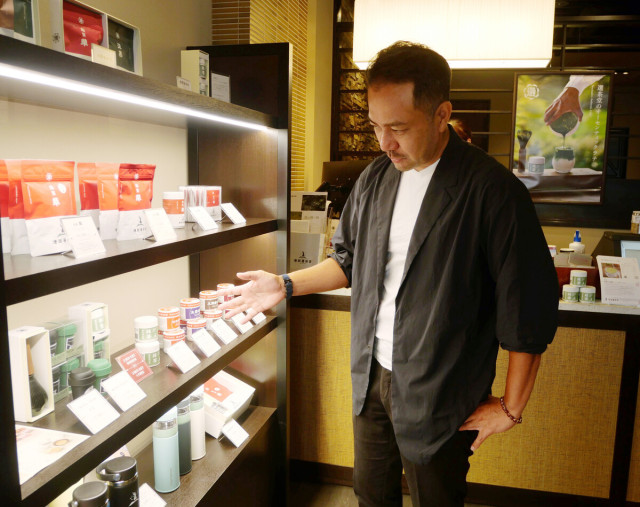
Coverage aggregated under Google News' matcha and tea-industry tag describes a sharp price split opening up in Japan's tea market. Tencha, the shaded leaf that becomes matcha, averaged 8,562 yen per kilogram in export prices in 2025, up 2.6 times year-on-year and the fifth consecutive year of gains, fueled by global demand traced back to Starbucks' 2006 matcha latte and continued social-media exposure. Kagoshima producer Ikeda Seisha told the outlet its stock sold out within minutes during the 2024 peak. Growers are converting sencha fields to tencha to chase the higher margin, the report says, but rising sencha prices are pushing everyday drinkers toward barley tea on supermarket shelves, leaving the industry warning that if the matcha boom cools, farmers could lose the domestic sencha customer base they still depend on.
05 Miyazaki Prefecture agricultural exports hit record high on global matcha boom; beef sales expand into Islamic markets

Miyazaki's agricultural exports hit a 14th consecutive record of 14.856 billion yen as tea exports nearly tripled — reported by Yomiuri Shimbun Online on 1 September 2026.
The Yomiuri Shimbun Online reports Miyazaki Prefecture's agricultural and livestock exports reached 14.856 billion yen in 2025, up 22% year-on-year and a 14th consecutive record. Tea exports nearly tripled to 1.534 billion yen on the back of global matcha demand, while beef exports rose 19% to 1.055 billion yen, remaining strong in Taiwan and the United States. A halal-certified processing plant that opened in Saito in 2024 is now supplying Islamic markets, with a buyer reception held in Indonesia in August. The prefecture's export office says its agricultural and livestock products still have room to grow internationally and that it will keep working to expand distribution channels.
Put together, the week shows a tea industry pulled two ways at once: judges and districts still prize the patient, small-batch skill that wins competitions, while the market rewards whoever can scale tencha and matcha fastest — with heritage varieties like zairai-cha caught in between.
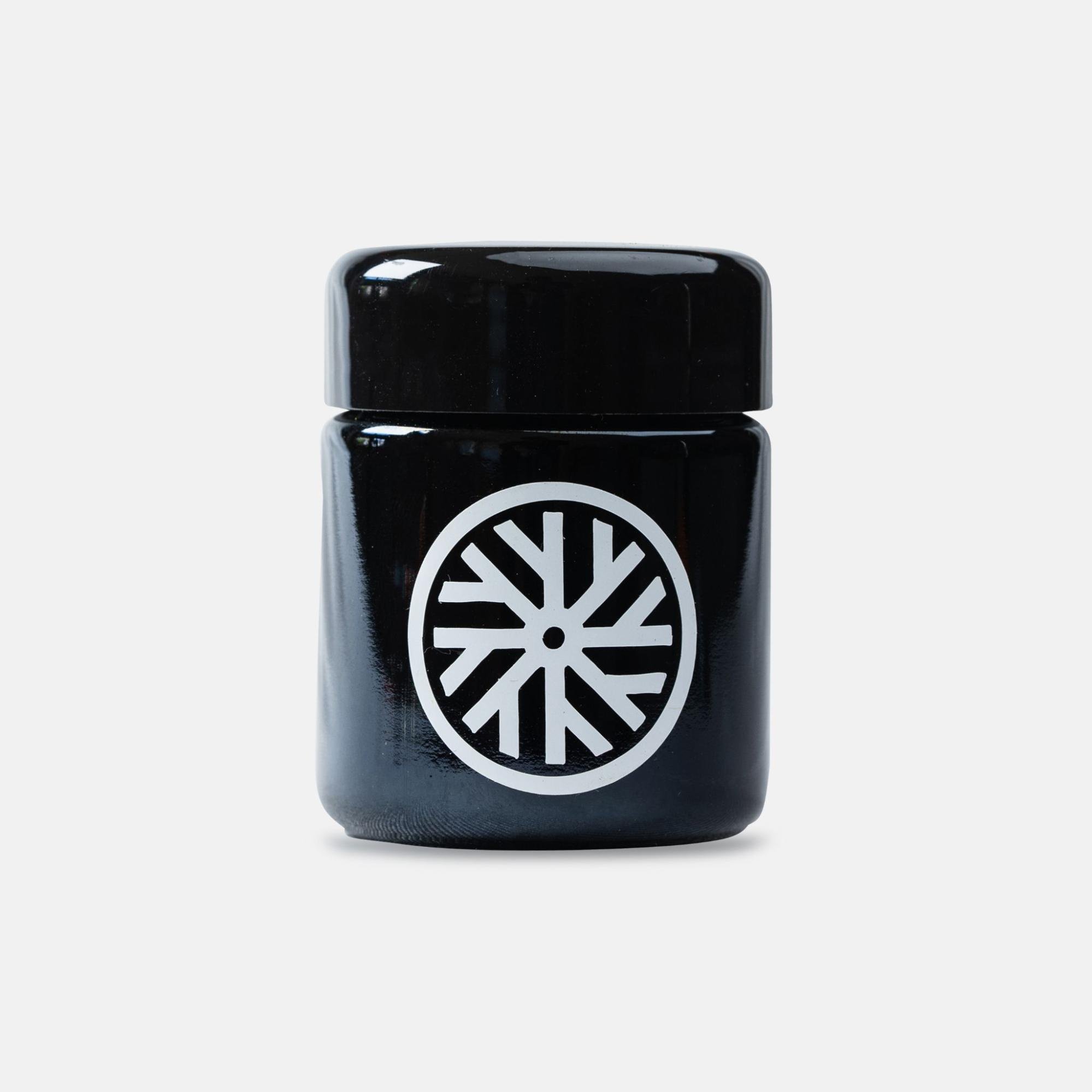 From the Ooika shop
Ooika Matcha Storage Jar
$10.00
Shop now →
From the Ooika shop
Ooika Matcha Storage Jar
$10.00
Shop now →
How this edition was made
Every weekday morning Matcha Wire scans about 40 Japanese sources — national and regional newspapers, government ministries, prefectural tea associations and trade journals — and scores each story for its relevance to the tea industry. This edition covers the five highest-ranked stories of the week just ended, one of them the week's most-read story on Matcha Wire. Figures are quoted as the outlet printed them: nothing is converted between units, nothing is converted between currencies, nothing is rescaled, averaged or estimated, and no number appears on this page that the source credited beside it did not report. Where a date here reads "reported on", it is the date the outlet published, not the date we compiled it. Matcha Wire is the compiler of these figures and never the source of one.
Compiled automatically by Matcha Wire from tracked Japanese sources, with no human editor in the loop. Every figure is credited to the outlet that reported it and checked against that outlet's own article. Corrections: hello@ooika.co.
Using these figures. The figures on this page are facts reported by the outlets credited beside them, and they are free to reuse. If Matcha Wire's compilation saved you the work, a link back is appreciated. The written analysis is ours; please don't republish it wholesale.
Matcha Wire is published by Ooika, in Kyoto, Japan. You can reach a person at hello@ooika.co.
Comments
Create a free account or sign in to join the conversation.
Be the first to comment.