
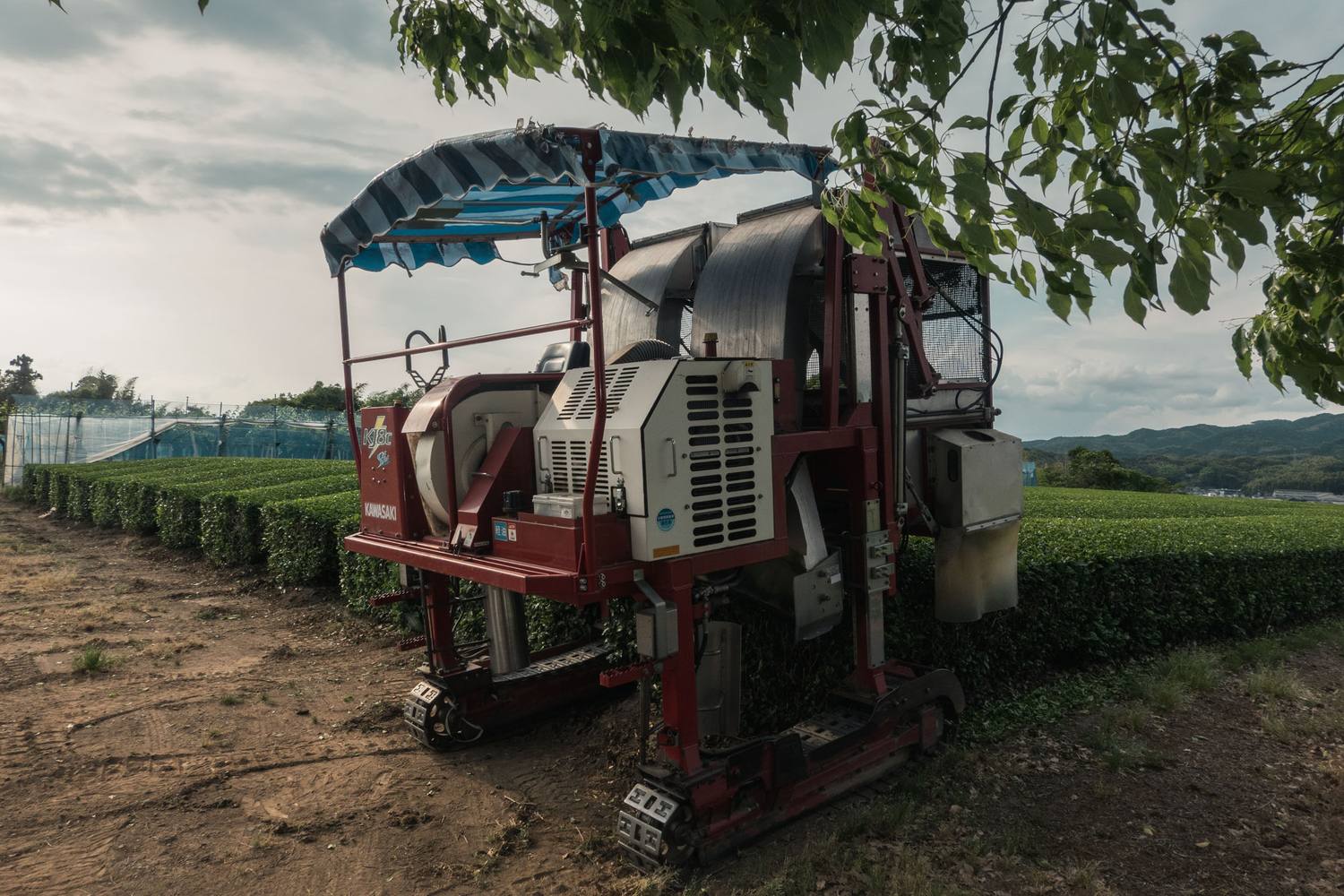
This week's reporting traces one current running through five separate stories: a matcha boom that is pushing prices, production and prestige to record levels faster than the industry can agree on what any of it should mean. The Uji tea market's record trading total sits alongside Kyoto's and Ureshino's wins at the National Tea Competition in Saga, and alongside plans for the first International Matcha Congress in Tokyo.
This week in numbers
Every figure exactly as the outlet printed it, credited to the outlet that reported it and compiled by Matcha Wire.- Uji tea market trading total: 129億4000万円 — reported by Yomiuri Shimbun on 21 August 2026. # ↓ the story
- Kyoto tencha minister's award streak: 7年連続 — reported by Kyoto Shimbun on 28 August 2026. # ↓ the story
- Total entries: 814点 — reported by sagatv.co.jp on 25 August 2026. # ↓ the story
- Green tea export value 2021: 204億円 — reported by Project Design Online on 25 August 2026. # ↓ the story
Read together, the five stories -- the Uji market record, Kyoto's competition sweep, Ureshino's fourth straight title, Saga's 27-years-later hosting, and the new Matcha Congress -- describe a sector expanding on demand it has not yet built shared rules around.
01 Uji tea market hits record 12.94 billion yen on global matcha boom; wholesalers worry price surge will drive consumers away
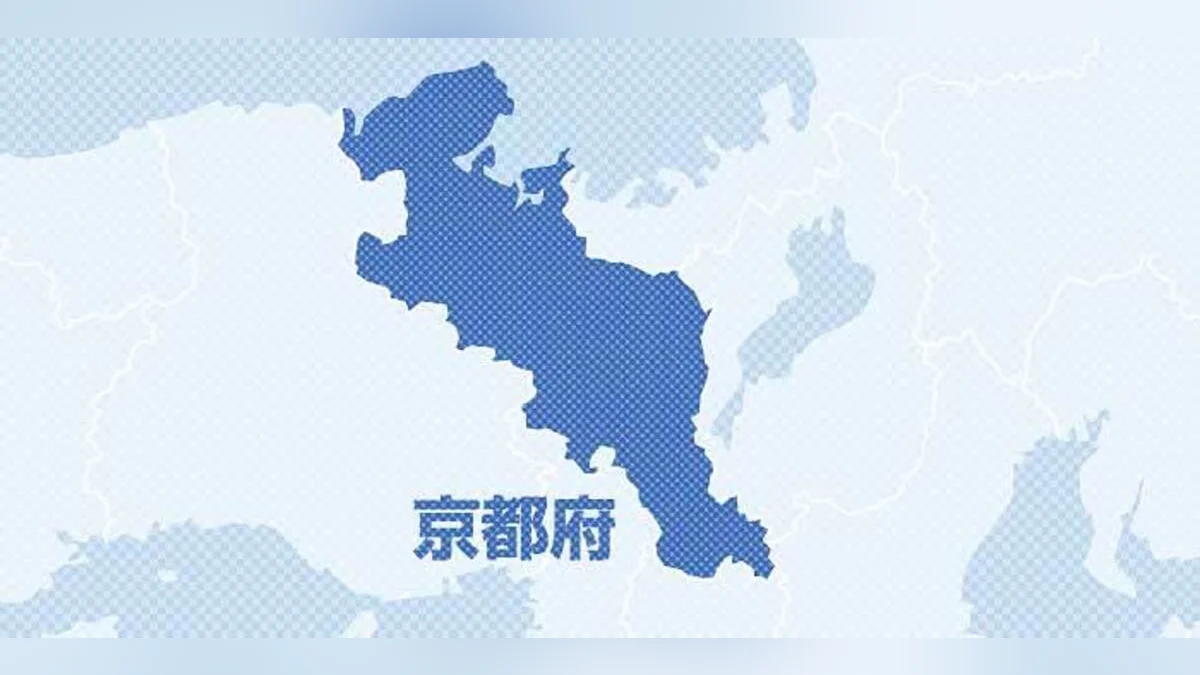
Uji tea trading totaled 12.94 billion yen this season as tencha output hit 595 tonnes and machine-harvested prices averaged 17,250 yen per kilogram — reported by Yomiuri Shimbun on 21 August 2026.
The Uji tea market posted its highest ever trading total this season, according to Google News coverage of the matcha and tea industry. Combined hand and machine harvested tencha output reached 595 tonnes, the largest volume since the market opened in 1974, while machine harvested tencha alone traded for 10.1 billion yen at an average of 17,250 yen per kilogram, the top price since records began in 1996. The report says gyokuro, sencha and kabusecha prices climbed 30 percent to more than double year on year, as growers shifted acreage toward tencha to meet matcha demand. Kyoto tea wholesalers are described in the report as worried the run up in prices will put tea out of reach for ordinary drinkers. As Google News reports: 'If consumers can no longer afford tea at reasonable prices, I fear tea consumption will decline further.'
02 Kyoto producers win top awards in National Tea Competition for tencha and kabusecha
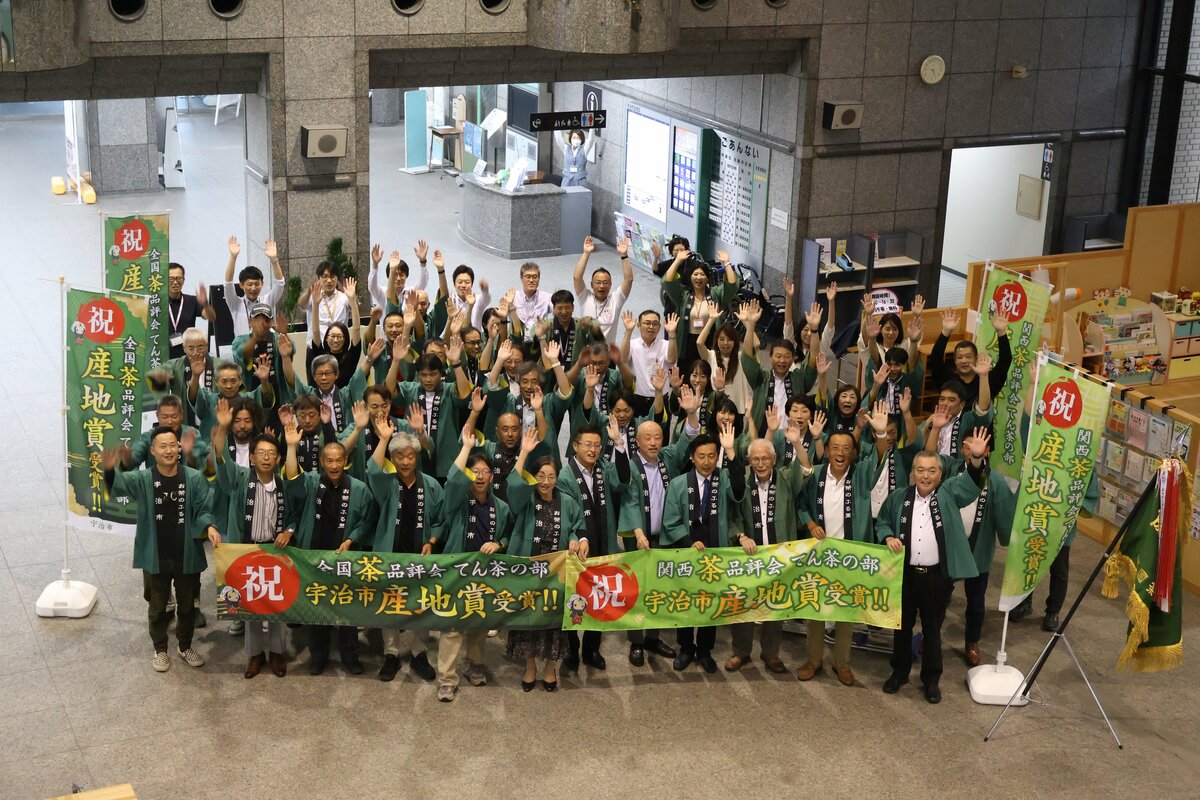
Kyoto tencha minister's award streak: 7年連続 — reported by Kyoto Shimbun on 28 August 2026.
Kyoto Prefecture swept top honors at the 80th National Tea Competition, held 25 to 28 February in Ureshino, Saga, according to the Kyoto Shimbun. The prefecture's tencha producers won the agriculture minister's award for a seventh consecutive year, and its kabusecha growers took the same award for a sixteenth straight year. Uji City claimed the regional award in tencha for a fifth consecutive year, while Ayabe City won the kabusecha regional award for the second time. Kyoto entered 140 samples across four categories, part of 814 entries submitted nationwide across eight categories. The winning producers named in the report include tencha grower Yoshikawa Furukawa in Uji and the kabusecha cooperative Konishi Tea Industry in Ayabe. As the Kyoto Shimbun quotes: 'We hand-picked and took great care in production, and won through everyone's effort.'
03 Ureshino Tea Wins National Tea Competition for Fourth Consecutive Year
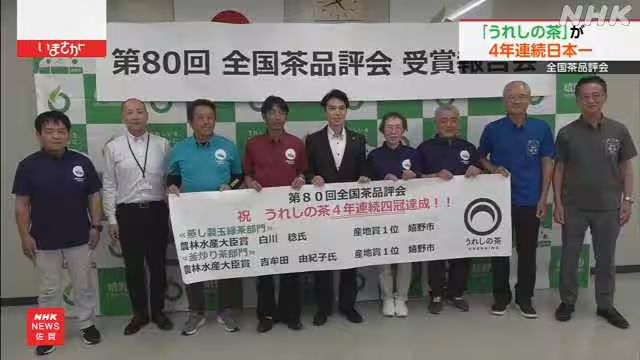
Ureshino tea claimed both the regional excellence award and the agriculture, forestry and fisheries minister's award, the competition's top individual honor, at this year's National Tea Competition, according to Google News. It marks the fourth consecutive year the Ureshino producing region has taken the national championship, a run the report frames as proof of sustained quality and consistency from local growers. The competition took place this month in Ureshino City, the town that gives the tea its name, and the report ties the double win to the wider event, held this year in Saga, where hundreds of entries from across the country were judged across multiple categories. No additional figures accompany the report beyond the award and the four year streak, but the repeat win underscores how firmly Ureshino has established itself among Japan's premier tea producing regions.
news.web.nhk Original (Japanese) ↗ Read the full story →
04 814 premium teas from across Japan compete in National Tea Competition, held in Saga for first time in 27 years

The 80th National Tea Competition drew 814 entries from 18 prefectures across eight categories in Saga, its first hosting since 1999 — reported by sagatv.co.jp on 25 August 2026.
Saga hosted the National Tea Competition for the first time in 27 years, since 1999, when the 80th edition opened 25 August in Ureshino, according to Google News. The event drew 814 entries from 18 prefectures across eight categories, with the host prefecture alone submitting 120 samples. Saga has already won the agriculture and forestry minister's award and the regional prize for three straight years in the steamed tamaryokucha and pan-fired tea categories, the report notes. Judging ran through 27 August, with results announced the following day. The report quotes a reaction to the local entries: 'With the competition held in Saga this year, I was curious to see what pan-fired and steamed tamaryokucha entries would appear, and they are of exceptionally high quality.'
05 World's First International Matcha Conference Convenes in Tokyo to Address Industry Structure and Market Growth
Green tea export value 2021: 204億円 — reported by Project Design Online on 25 August 2026.
The International Matcha Association will hold the world's first International Matcha Congress in Tokyo on 12 November 2026, Google News reports, with ticket sales opening 25 August. The gathering brings together producers, manufacturers, researchers, officials and cafe operators to confront structural problems the report says remain unresolved, including an undefined definition of matcha, the absence of international standards and no common grading system. The first session lists speakers from Nishi Seicha, Aiya, Itoen and Kyoei Seicha, spanning the supply chain from production through retail. The report frames the conference as a venue to surface open questions rather than mark achievements, noting Japan's green tea exports climbed from 204 billion yen in 2021 to roughly 720 billion yen in 2025, nearing the agriculture ministry's 810 billion yen target for 2030. As Google News quotes: 'A venue to bring unresolved questions to the table.'
Taken together, the week's reporting shows an industry riding record demand while scrambling to agree on what that demand should look like -- in price, in standards, and in the prestige competitions still measuring it the old way.
 From the Ooika shop
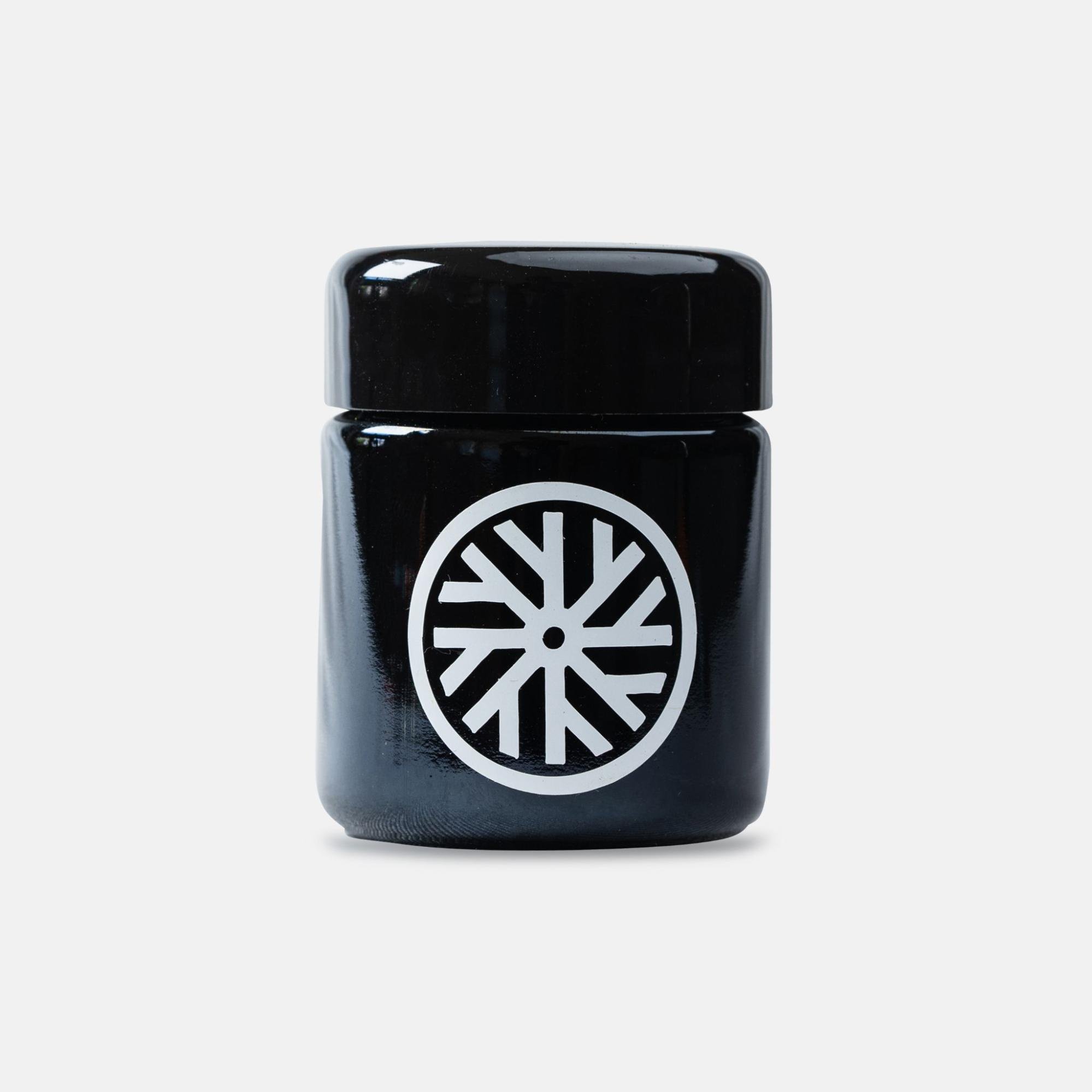
Ooika Matcha Storage Jar
$10.00
Shop now →
From the Ooika shop
Ooika Matcha Storage Jar
$10.00
Shop now →
How this edition was made
Every weekday morning Matcha Wire scans about 40 Japanese sources — national and regional newspapers, government ministries, prefectural tea associations and trade journals — and scores each story for its relevance to the tea industry. This edition covers the five highest-ranked stories of the week just ended, one of them the week's most-read story on Matcha Wire. Figures are quoted as the outlet printed them: nothing is converted between units, nothing is converted between currencies, nothing is rescaled, averaged or estimated, and no number appears on this page that the source credited beside it did not report. Where a date here reads "reported on", it is the date the outlet published, not the date we compiled it. Matcha Wire is the compiler of these figures and never the source of one.
Compiled automatically by Matcha Wire from tracked Japanese sources, with no human editor in the loop. Every figure is credited to the outlet that reported it and checked against that outlet's own article. Corrections: hello@ooika.co.
Using these figures. The figures on this page are facts reported by the outlets credited beside them, and they are free to reuse. If Matcha Wire's compilation saved you the work, a link back is appreciated. The written analysis is ours; please don't republish it wholesale.
Matcha Wire is published by Ooika, in Kyoto, Japan. You can reach a person at hello@ooika.co.
Comments
Create a free account or sign in to join the conversation.
Be the first to comment.