
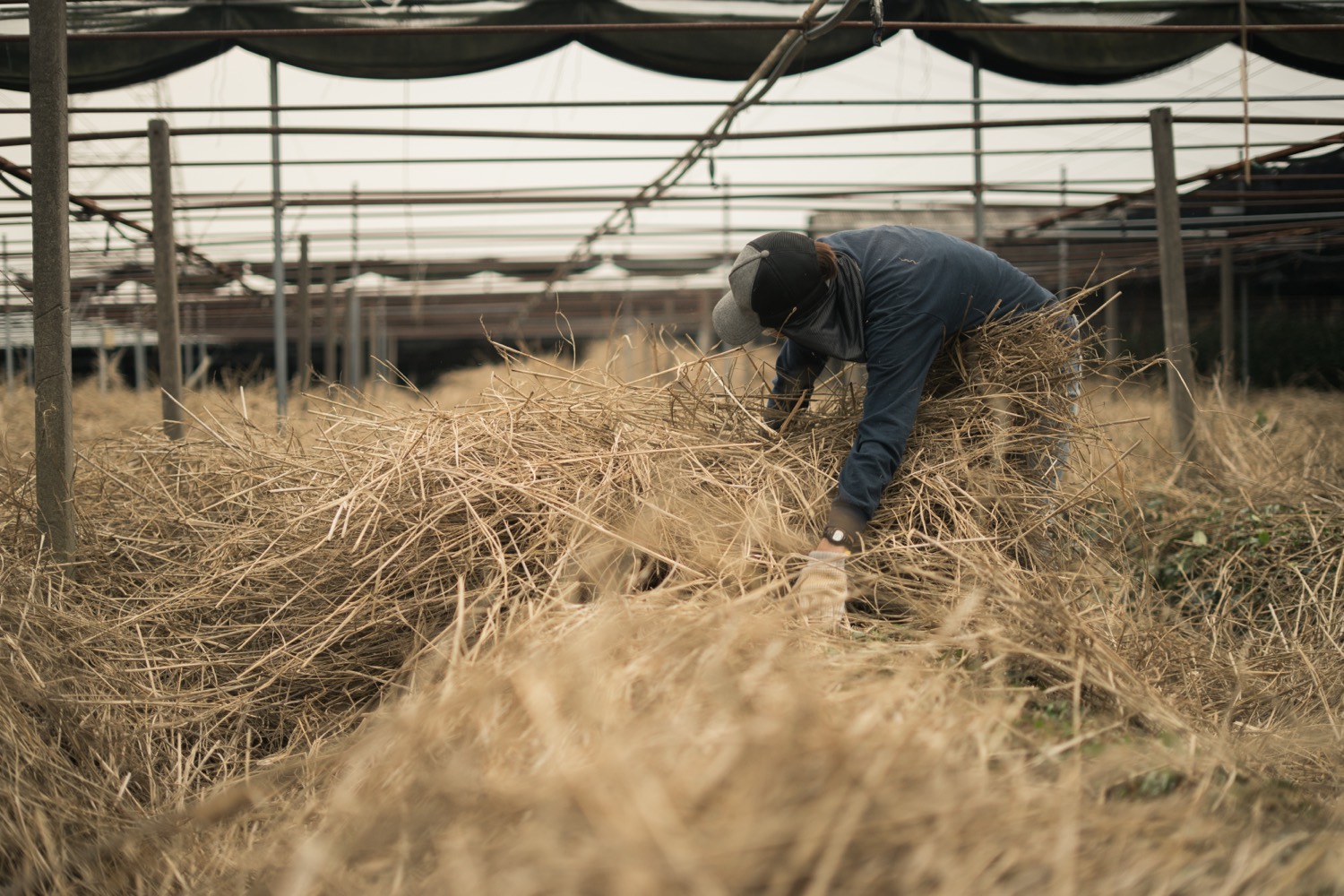
This week's reporting shows the same story from two directions. Chunichi Shimbun and AgriNews both cover Shizuoka's return to the top of Japan's first-flush production table, Google News reports the Uji tea market's record trading total, and Saga Shimbun ties the 80th National Tea Festival to Japan's first 10,000-tonne export year in 71 years -- all evidence of matcha demand pulling money and leaf toward tencha.
This week in five numbers
Every figure exactly as the outlet printed it, credited to the outlet that reported it and compiled by Matcha Wire.- Shizuoka first-flush raw tea production: 1万700トン — reported by Chunichi Shimbun on 19 August 2026. # ↓ the story
- First-flush production (five major prefectures): 24,100トン — reported by AgriNews (Japan Agri News) on 23 August 2026. # ↓ the story
- Tea acreage, main producing prefectures, 2025: 2万5400ヘクタール — reported by Nikkei on 22 August 2026. # ↓ the story
- Japanese tea exports, 2025: 1万トンを超えた — reported by Saga Shimbun on 22 August 2026. # ↓ the story
- Uji tea market trading total: 129億4000万円 — reported by Yomiuri Shimbun on 21 August 2026. # ↓ the story
A separate Google News report cautions that this boom sits on a shrinking base: fewer farms, aging growers, and tea acreage that could fall 80% by 2050. Read together, the five stories describe an industry setting records while its foundation narrows.
01 Shizuoka Reclaims Top Spot in First-Flush Raw Tea Production; Matcha Demand Drives Prices Up 52%
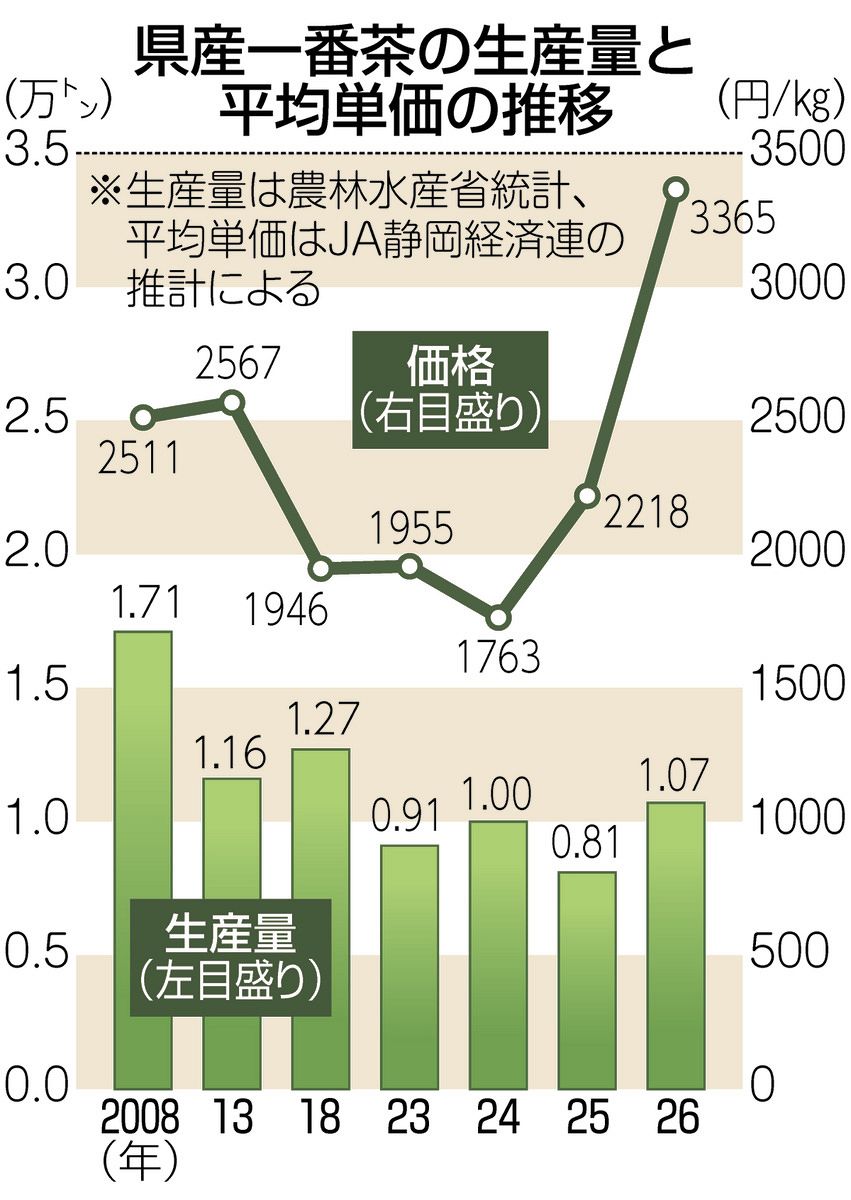
Shizuoka's first-flush output jumped 32% year-on-year to 10,700 tons, retaking the national lead from Kagoshima — reported by Chunichi Shimbun on 19 August 2026.
Chunichi Shimbun reports that Shizuoka reclaimed Japan's top spot in first-flush raw tea production for 2026, with output climbing 32% year-on-year to 10,700 tons, overtaking Kagoshima's 9,610 tons. The paper credits favorable spring weather and an accelerating shift toward tencha, matcha's raw material, which yields more per hectare than sencha. That shift pushed Shizuoka's tencha yield to a record 536 kilograms per 10 ares, up 41% from a year earlier and the highest figure since records began in 1953. Prices followed: the average first-flush price rose 52% to 3,365 yen per kilogram, which the paper says was 'backed by matcha popularity at home and abroad.' The ministry's figures, covering five major producing regions, mark the second consecutive year of leadership change between the two prefectures.
02 First-Flush Production Surges 21% on Good Weather and Rising Tencha Demand
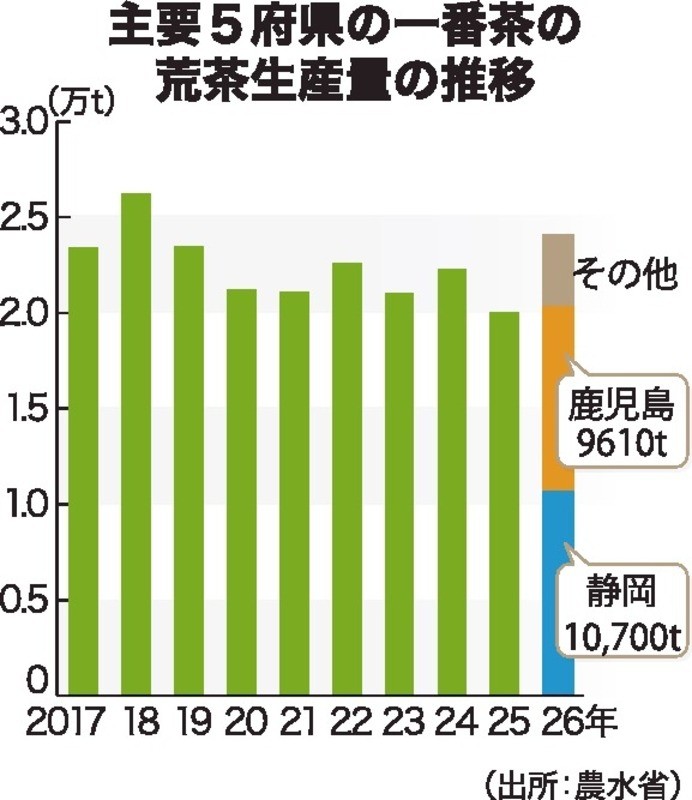
National first-flush output rose 21% to 24,100 tons, with per-hectare yield hitting a record 571 kg — reported by AgriNews (Japan Agri News) on 23 August 2026.
AgriNews reports that first-flush rough-tea output across Japan's five major producing prefectures reached 24,100 tons in 2026, a 21% increase from the previous year's record low. The outlet attributes the rebound to favorable growing weather and rising tencha production tied to matcha demand, pushing per-hectare leaf yield to 571 kilograms, the highest since comparable records began in 1991. Even so, harvested area kept contracting, falling to a new low of 22,000 hectares, as farm aging and abandonment persist. By prefecture, Shizuoka led with 10,700 tons (up 32%), followed by Kagoshima at 9,610 tons (up 14%) and Mie at 2,150 tons (up 11%). AgriNews quotes a source saying 'first-flush premiums lifted the entire industry's spirits, and we saw farms being handed down to the next generation,' a rare note of succession optimism in a sector otherwise defined by shrinkage.
03 Japan's Tea Fields Disappearing as Farmers and Tea Plants Age; Matcha Boom Masks Long-Term Decline
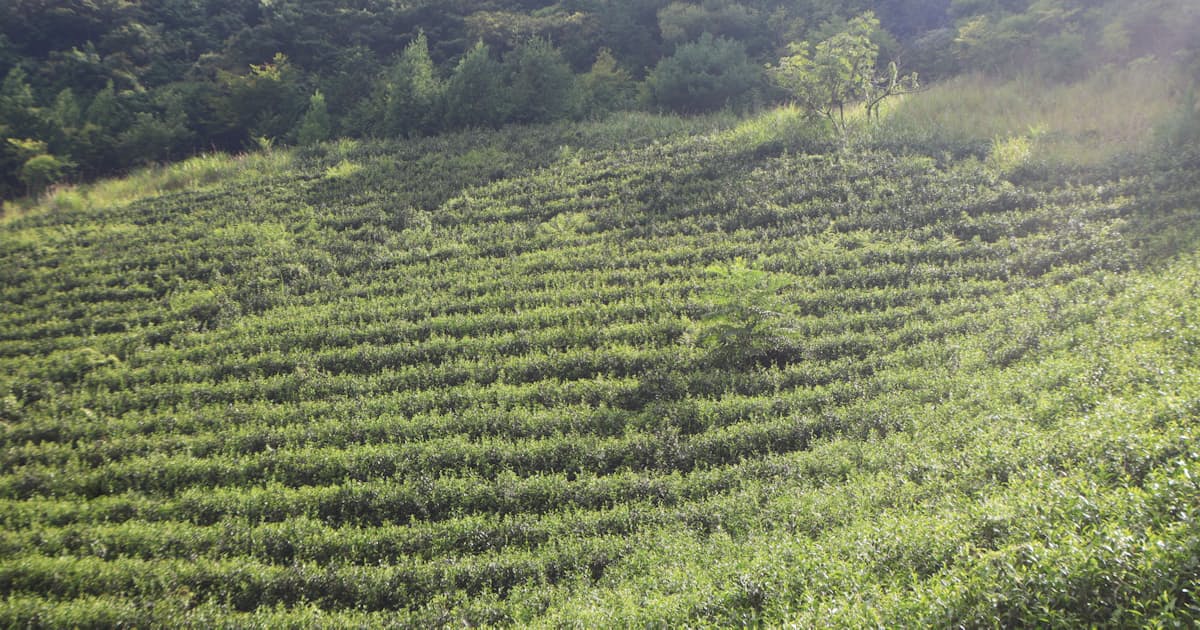
Tea acreage in Japan's main producing regions is projected to fall from 25,400 hectares to roughly 5,000 hectares by 2050 (2025) — reported by Nikkei on 22 August 2026.
A Google News report on Japan's tea industry warns that cultivated acreage across the country's main producing prefectures, at 25,400 hectares as of 2025, could fall to roughly 5,000 hectares by 2050, an 80% reduction, without intervention. The piece points to a double aging problem, farmers growing older alongside their tea bushes, as the structural driver behind the decline, arguing that the current matcha boom is masking rather than solving the underlying vulnerability. It cites abandoned fields already visible across major growing regions with no clear path to reversal. As the report puts it, 'the matcha boom is in full swing now, but the sector's future remains uncertain.' Coming the same week as record production and price figures elsewhere, the piece stands as a counterweight to this year's harvest optimism.
04 80th National Tea Festival Opens in Saga; Japanese Tea Exports Surge Amid Matcha Boom and Producer Decline
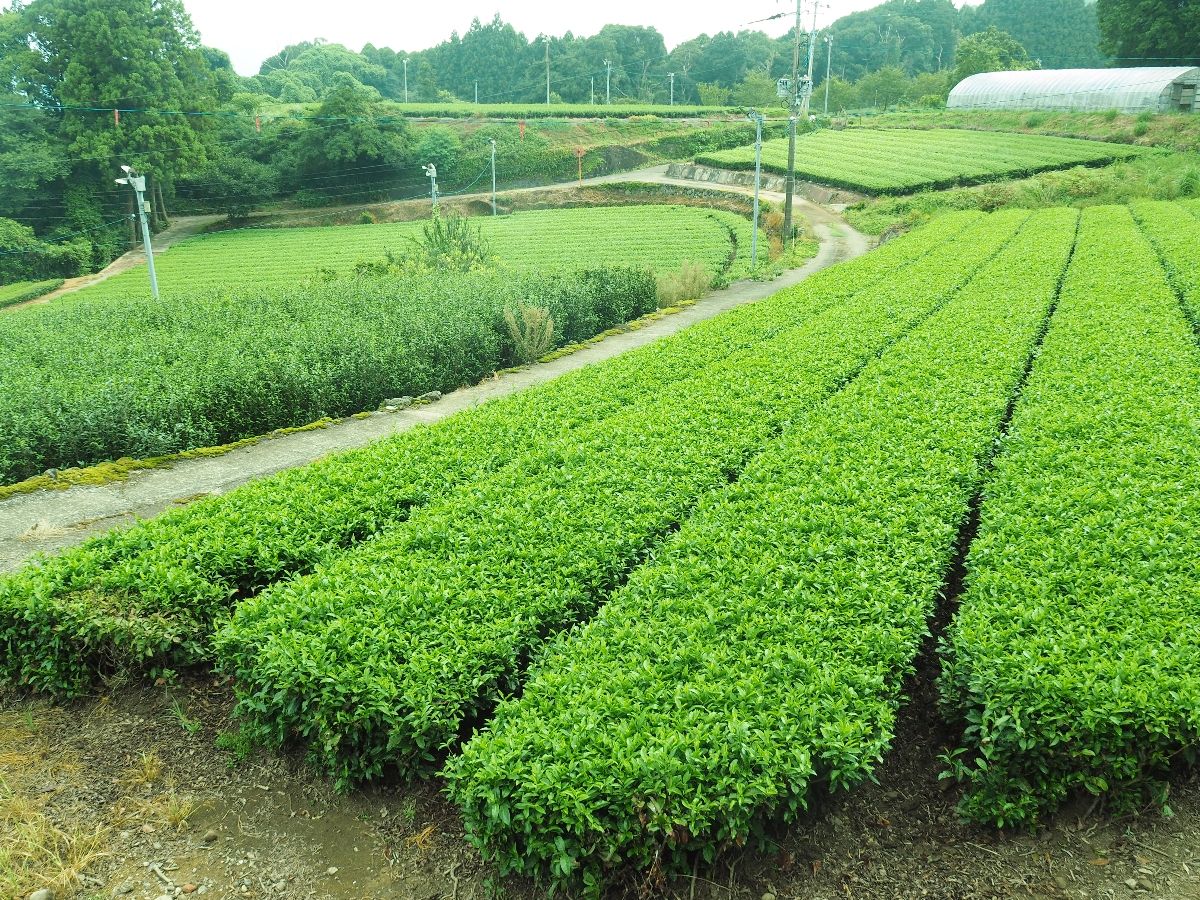
Japan's tea exports topped 10,000 tonnes in 2025 for the first time in 71 years as tencha output reached 6,278 tonnes — reported by Saga Shimbun on 22 August 2026.
Saga Shimbun's coverage of the 80th National Tea Festival, opening in Saga for the first time since 1999, sets the event against a year of contrasts. Exports topped 10,000 tonnes in 2025, the first time in 71 years, a rise the paper links to overseas matcha demand and a weak yen, while tencha production reached 6,278 tonnes, 3.2 times the 2014 level. Yet tea farms nationally have fallen 80% since 2000, from 53,687 to 12,325, and Saga's own count dropped from 3,110 to 229 over the same period; cultivated area in the prefecture now stands at 530 hectares. Ureshino tea, grown across Saga and Nagasaki, set a 13th consecutive auction record in April 2025 at 60,000 yen per kilogram. The paper quotes local voices saying, 'our strength lies in specializing in and pursuing quality,' and warning, 'we cannot chase this matcha boom recklessly in a mountainous region.'
05 Uji tea market hits record 12.94 billion yen on global matcha boom; wholesalers worry price surge will drive consumers away
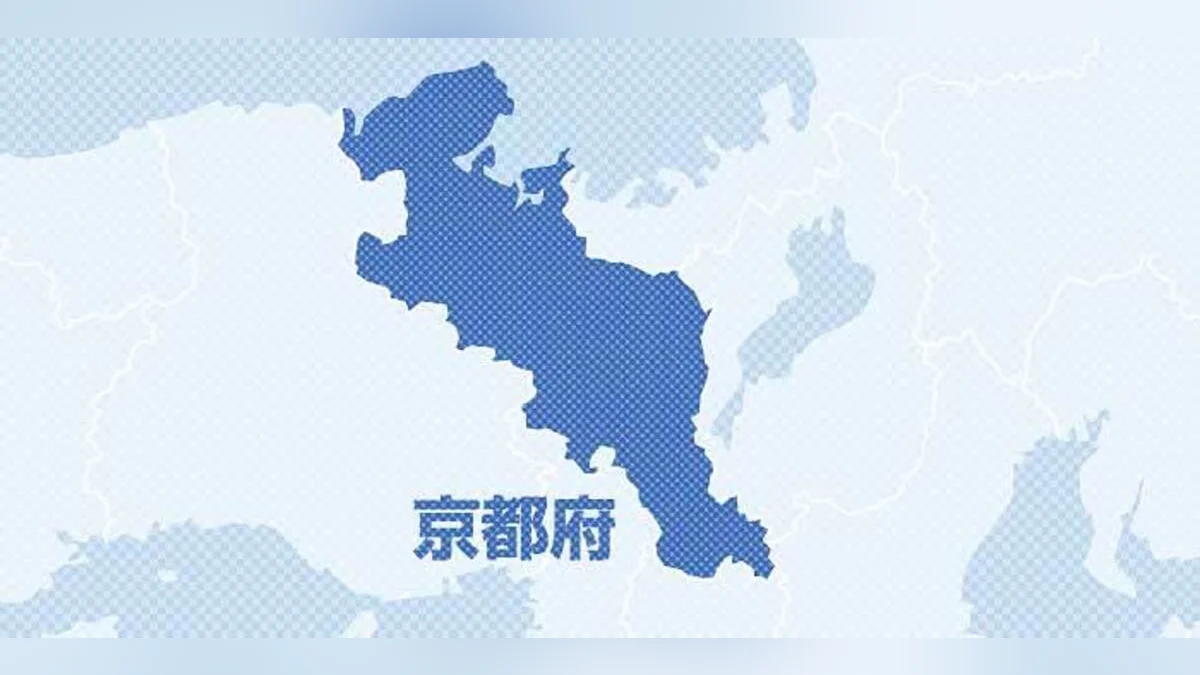
Uji's tea market hit a record 12.94 billion yen in FY2026 as tencha output reached 595 tonnes — reported by Yomiuri Shimbun on 21 August 2026.
Google News reports that trading on the Uji tea market hit 12.94 billion yen in the 2026 season, running April 24 to July 31, the highest total on record, driven by global matcha demand. Tencha output reached 595 tonnes, the largest since the market opened in 1974, and machine-harvested tencha alone traded for 10.1 billion yen at an average 17,250 yen per kilogram, the highest unit price since 1996. The shift toward tencha pushed prices for gyokuro, sencha and kabusecha up by 30% to more than double year-on-year, as growers redirect leaf toward the more lucrative matcha supply chain. Wholesalers quoted in the report worry the run-up will price out everyday drinkers, warning that 'if consumers can no longer afford tea at reasonable prices, I fear tea consumption will decline further.'
Taken together, this week's figures show an industry riding matcha demand to record prices and volumes even as the land and labor behind it keep shrinking -- a gap the reports agree cannot close itself.
 From the Ooika shop
Ooika Matcha Storage Jar
$10.00
Shop now →
From the Ooika shop
Ooika Matcha Storage Jar
$10.00
Shop now →
How this edition was made
Every weekday morning Matcha Wire scans about 40 Japanese sources — national and regional newspapers, government ministries, prefectural tea associations and trade journals — and scores each story for its relevance to the tea industry. This edition covers the five highest-ranked stories of the week just ended, one of them the week's most-read story on Matcha Wire. Figures are quoted as the outlet printed them: nothing is converted between units, nothing is converted between currencies, nothing is rescaled, averaged or estimated, and no number appears on this page that the source credited beside it did not report. Where a date here reads "reported on", it is the date the outlet published, not the date we compiled it. Matcha Wire is the compiler of these figures and never the source of one.
Compiled automatically by Matcha Wire from tracked Japanese sources, with no human editor in the loop. Every figure is credited to the outlet that reported it and checked against that outlet's own article. Corrections: hello@ooika.co.
Using these figures. The figures on this page are facts reported by the outlets credited beside them, and they are free to reuse. If Matcha Wire's compilation saved you the work, a link back is appreciated. The written analysis is ours; please don't republish it wholesale.
Matcha Wire is published by Ooika, in Kyoto, Japan. You can reach a person at hello@ooika.co.
Comments
Create a free account or sign in to join the conversation.
Be the first to comment.