
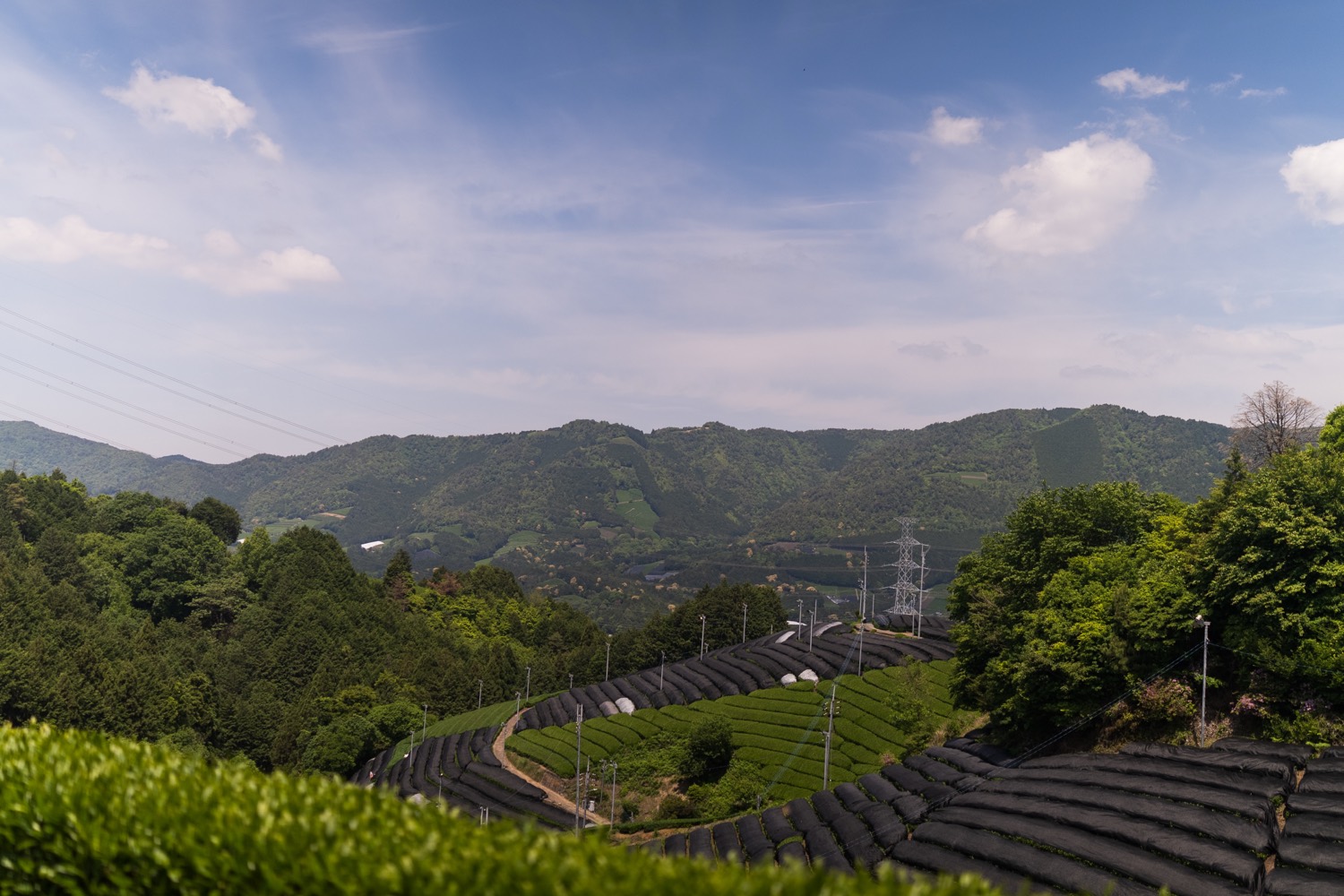
Every story in this week's Wire circles back to the same fact: matcha demand abroad is now big enough to remake Japan's tea economy, and to invite serious competition for it. Kagoshima's record export haul, Tokyo's push to lock down international standards, warnings that domestic supply cannot keep pace, counterfeit Uji matcha turning up in China, and a Chinese province building its own matcha-only supply chain are five faces of one trend.
Read side by side, they show a category moving fast enough that price, authenticity and even the word 'matcha' itself are now being contested at once.
01 Kagoshima agricultural exports hit record ¥58.4 billion; matcha boom drives unit prices higher

Kagoshima's tea exports climbed 64% to ¥10.3 billion, lifting total prefectural exports to a record ¥58.4 billion — reported by 読売新聞オンライン on 25 July 2026.
Yomiuri Shimbun Online reports that Kagoshima Prefecture's combined agricultural, forestry and fisheries exports reached ¥58.4 billion in fiscal 2025, up ¥11.3 billion from the prior year and the fifth straight annual record. Tea exports alone climbed 64% to ¥10.3 billion, with matcha the standout: as demand grew alongside health-conscious eating and a broader Japanese-food boom overseas, trading unit prices for matcha rose sharply, the paper notes. The prefecture is now aiming to nearly double its export total, to ¥80 billion, by fiscal 2030 through continued public-private promotion. Yomiuri quotes officials saying matcha unit prices surged as demand rose alongside health-conscious trends and the Japanese food boom, and that public-private export promotion efforts are bearing steady fruit, with work toward the target continuing.
02 MAFF Adopts International Standards Strategy to Protect Matcha's Name and Japan's Tea Leadership
Export value target for agricultural and food products: ¥5 trillion — reported by projectdesign.jp on 24 July 2026.
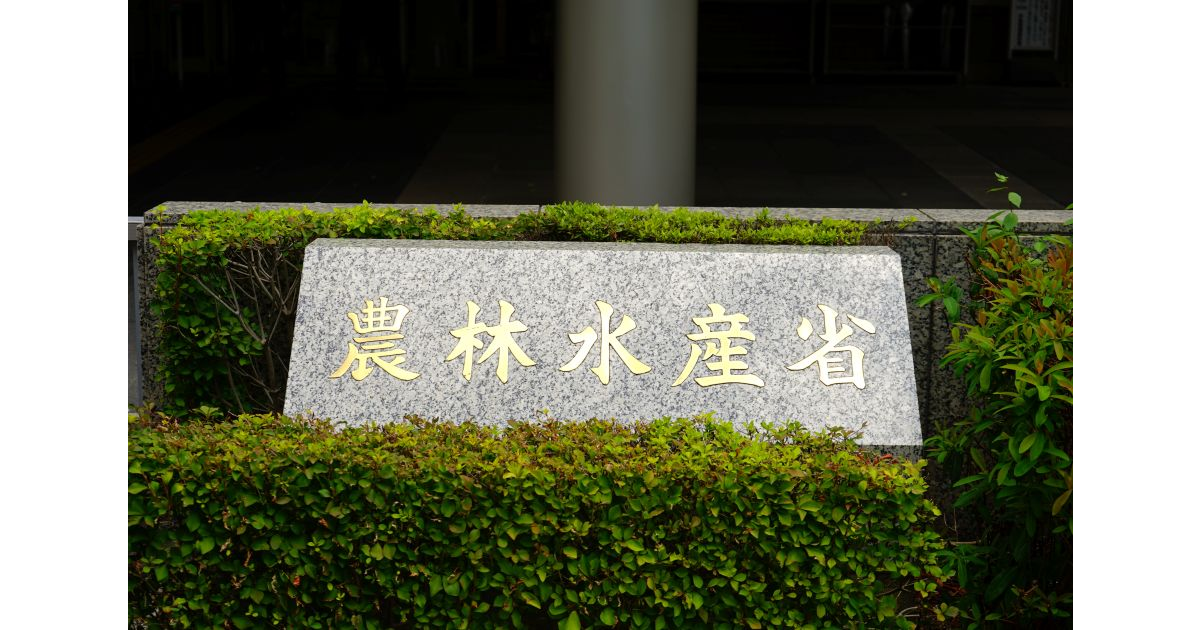
Google News's Matcha/Tea Industry roundup reports that Japan's Ministry of Agriculture, Forestry and Fisheries adopted a comprehensive international standards strategy on July 24, 2026. The plan spans high-value products, sustainable production and carbon-credit business, and explicitly names matcha as a case study in what Japan stands to lose if it steps back from rule-setting bodies. MAFF points to its April 2022 matcha technical report, filed with the National Agriculture and Food Research Organization as ISO/TR21380, as the kind of groundwork that must continue. The ministry has set a ¥5 trillion target for high-value agricultural and food exports by 2030 and links the new strategy to last year's government IP strategy and a METI standards-acceleration framework. Without sustained ISO engagement, the report warns, Japan could lose the freedom to use the name matcha internationally, adding that global markets have shifted from competing on products to contesting who writes the rules.
03 Is Japan Running Out of Matcha?

A Google News feature on the shortage, price and export pressures facing Japan's matcha sector reports that matcha now accounts for more than half of the country's total green tea exports in 2024, roughly double the share it held ten years ago, even as the number of tea farms has fallen to a quarter of what it was two decades ago. Established producers, including a 15-generation Saitama farm, have stopped taking new orders, saying stone-milling and shade-growing cannot be scaled without sacrificing quality. The article also flags a proposed US tariff increase, from 10% to 24%, on Japanese tea, alongside a viral boost from a French YouTuber whose matcha sales topped 133,000 cans in a matter of months. One grower is quoted saying they are delighted the world is interested but cannot dramatically increase production, and that training people to make matcha takes years, calling mass production of the traditional craft impossible.
04 Fake Uji Matcha Running Rampant in China: "Uji Tea's Own Value Is Being Damaged" — Kyoto Establishments Outraged
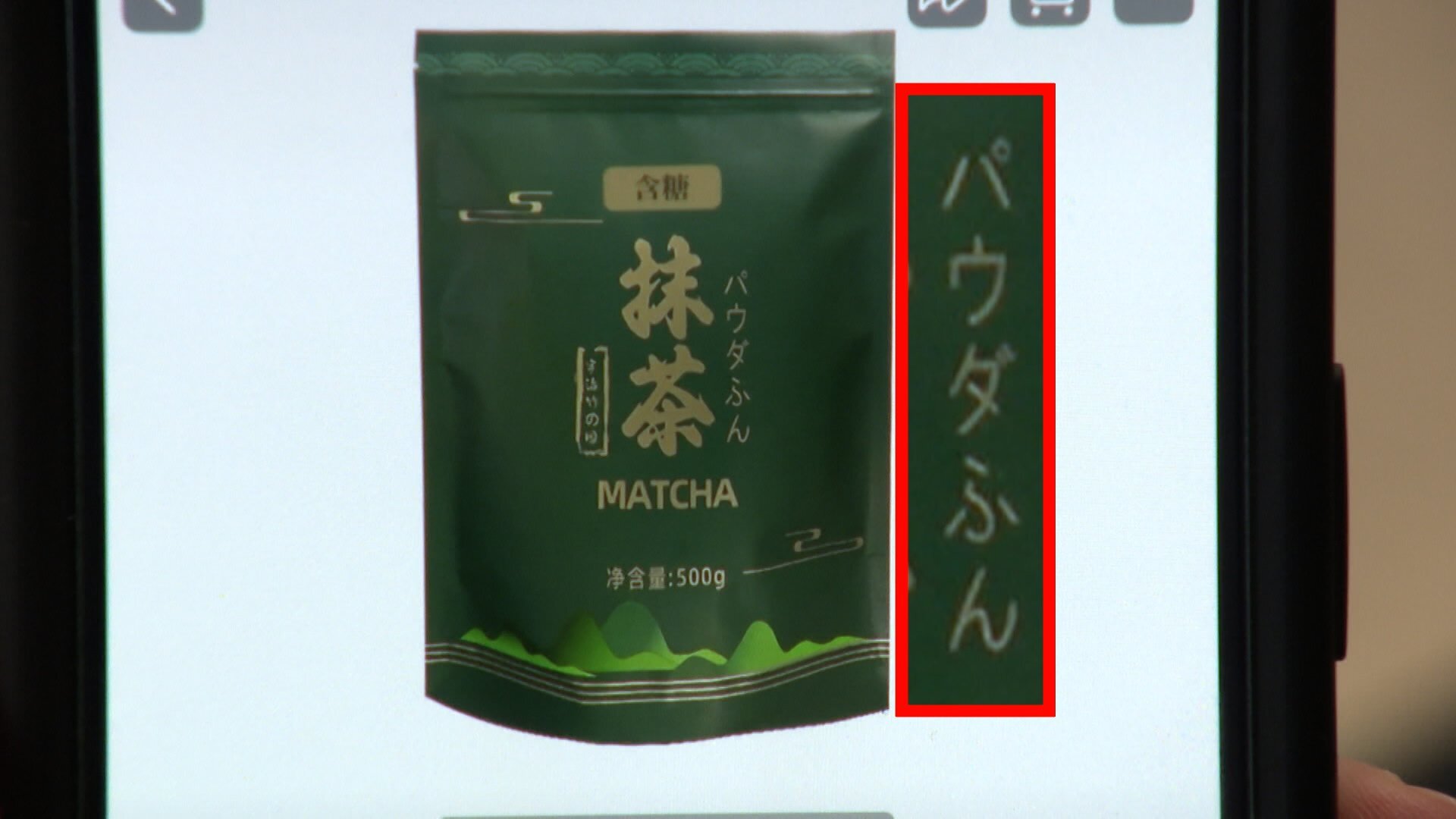
FNN reports that fake Uji matcha, manufactured in China but labeled with Japanese place names, is being sold widely across the Chinese market, undercutting genuine product from Kyoto's Uji region. The broadcaster's investigation traced the counterfeit supply chain back to Japanese companies, implicating domestic actors alongside Chinese sellers in what it describes as a fraud scheme riding the global matcha boom without following Uji's protected designation or quality standards. Kyoto producers told FNN the practice is causing direct damage to Uji tea's reputation and market value, as consumers abroad unknowingly buy inferior product believing it to be authentic. One source quoted in the report put it simply: Uji tea's own value is being damaged. The findings add pressure on Japanese authorities and industry bodies to tighten enforcement of the Uji name overseas as demand for matcha keeps climbing.
FNNプライムオンライン(フジテレビ系) Original (Japanese) ↗ Read the full story →
05 The Aroma of Matcha from Tongren, Guizhou Province Envelops the World
China's Tongren region built 5,667 hectares of matcha cultivation and produced 2,500 tons in 2025, becoming China's top matcha exporter — reported by People's Daily Online on 23 July 2026.
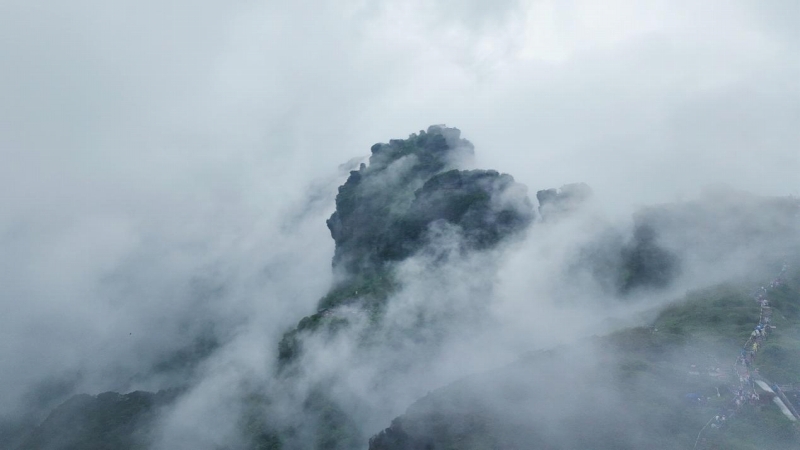
A Google News report on Tongren, in China's Guizhou province, describes the city's rise as the country's leading matcha production hub. As of December 2025 Tongren had built 5,667 hectares of dedicated matcha cultivation base and operates what the report calls the world's largest matcha-only processing facility. Output reached 2,500 tons in 2025, giving Tongren the top export share within China and the second-largest matcha export volume worldwide. The report notes the tea is being worked into beverages, baked goods and snacks aimed at mass-market buyers rather than the premium niche Japan has traditionally served. Coming the same week Kyoto producers describe counterfeit Uji matcha spreading in China, and Japan's ministry moves to defend the matcha name at the ISO level, Tongren's scale is a reminder that Chinese producers are now competing directly with Japan on volume, price and reach in the same global matcha market fueling all of this week's other stories.
Taken together, the numbers this week point one way: matcha has become a global commodity fast enough that supply, pricing and even the right to the word itself are now under negotiation, at home and abroad.
 From the Ooika shop
Chikueido Takayama Chasen (80 Tines 八十本立)
$45.00
Shop now →
From the Ooika shop
Chikueido Takayama Chasen (80 Tines 八十本立)
$45.00
Shop now →
How this edition was made
Every weekday morning Matcha Wire scans about 40 Japanese sources — national and regional newspapers, government ministries, prefectural tea associations and trade journals — and scores each story for its relevance to the tea industry. This edition covers the five highest-ranked stories of the week just ended, one of them the week's most-read story on Matcha Wire. Figures are quoted as the outlet printed them: nothing is converted between units, nothing is converted between currencies, nothing is rescaled, averaged or estimated, and no number appears on this page that the source credited beside it did not report. Where a date here reads "reported on", it is the date the outlet published, not the date we compiled it. Matcha Wire is the compiler of these figures and never the source of one.
Compiled automatically by Matcha Wire from tracked Japanese sources, with no human editor in the loop. Every figure is credited to the outlet that reported it and checked against that outlet's own article. Corrections: hello@ooika.co.
Using these figures. The figures on this page are facts reported by the outlets credited beside them, and they are free to reuse. If Matcha Wire's compilation saved you the work, a link back is appreciated. The written analysis is ours; please don't republish it wholesale.
Matcha Wire is published by Ooika, in Kyoto, Japan. You can reach a person at hello@ooika.co.
Comments
Create a free account or sign in to join the conversation.
Be the first to comment.